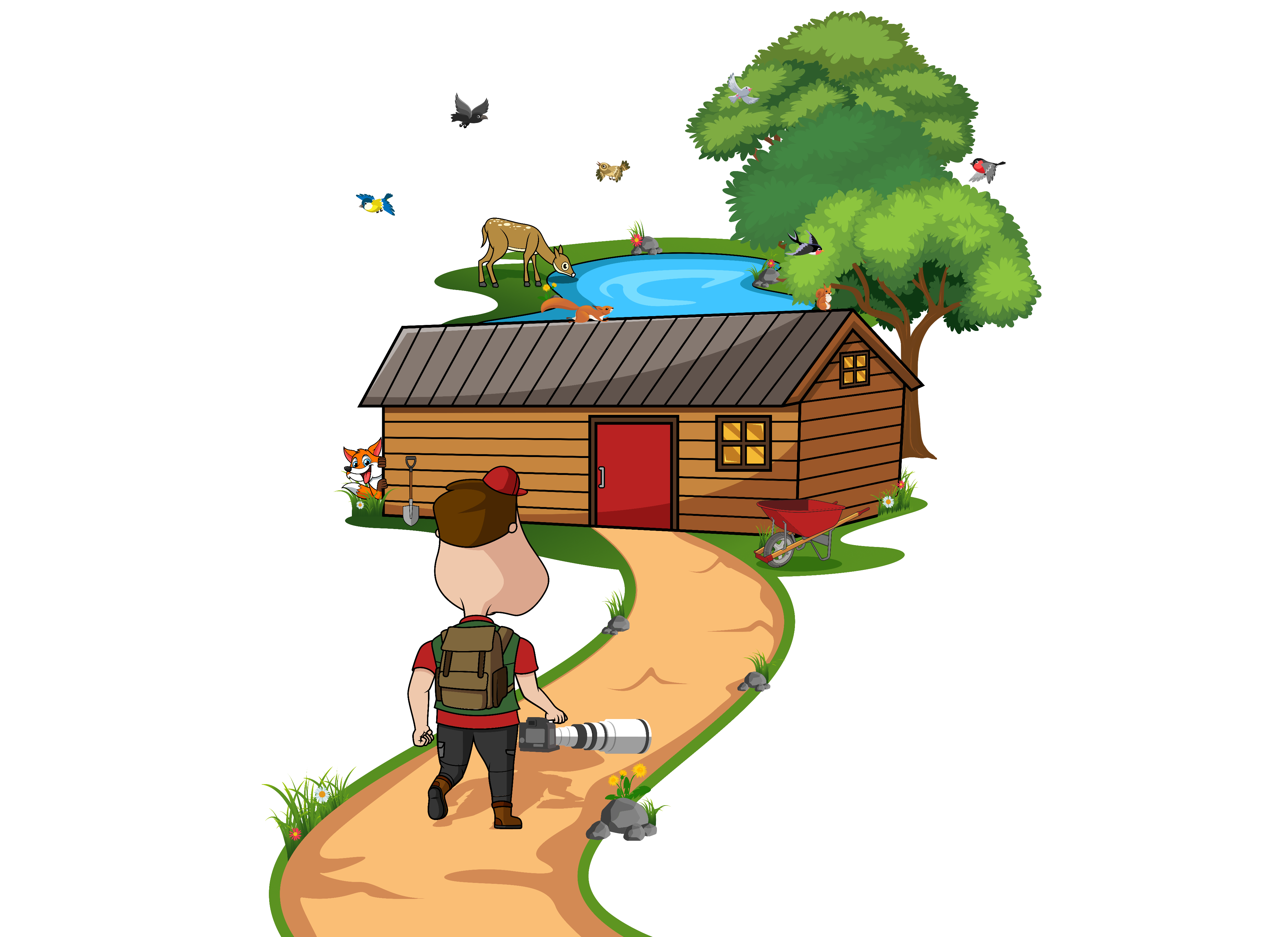
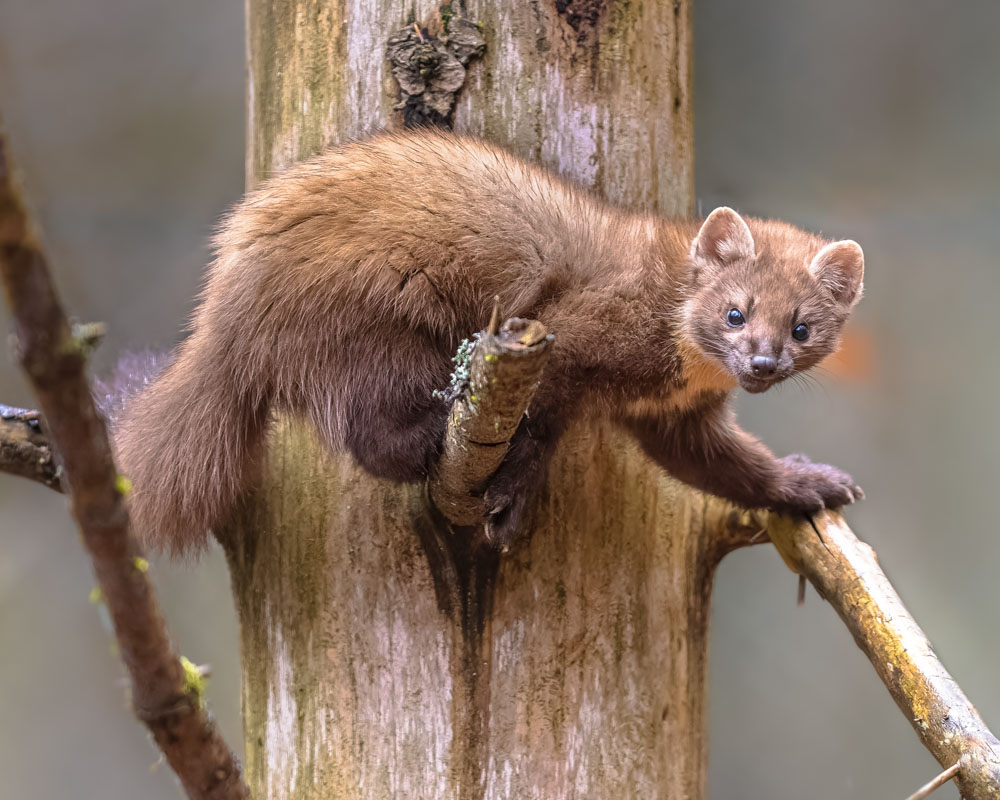
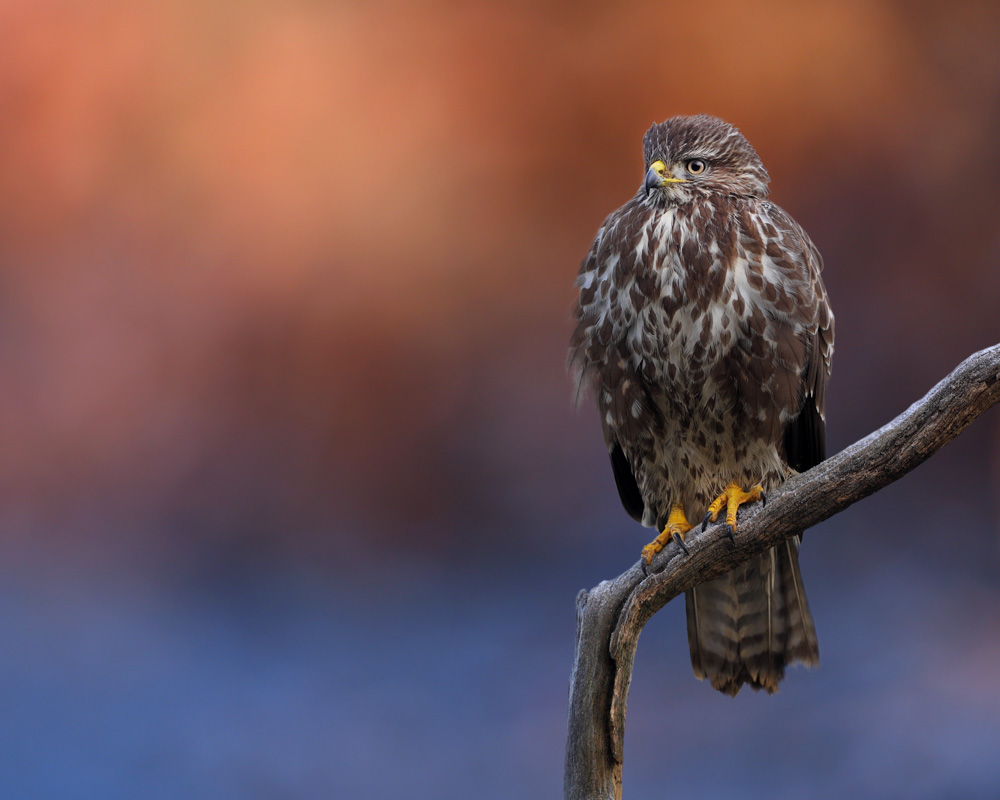
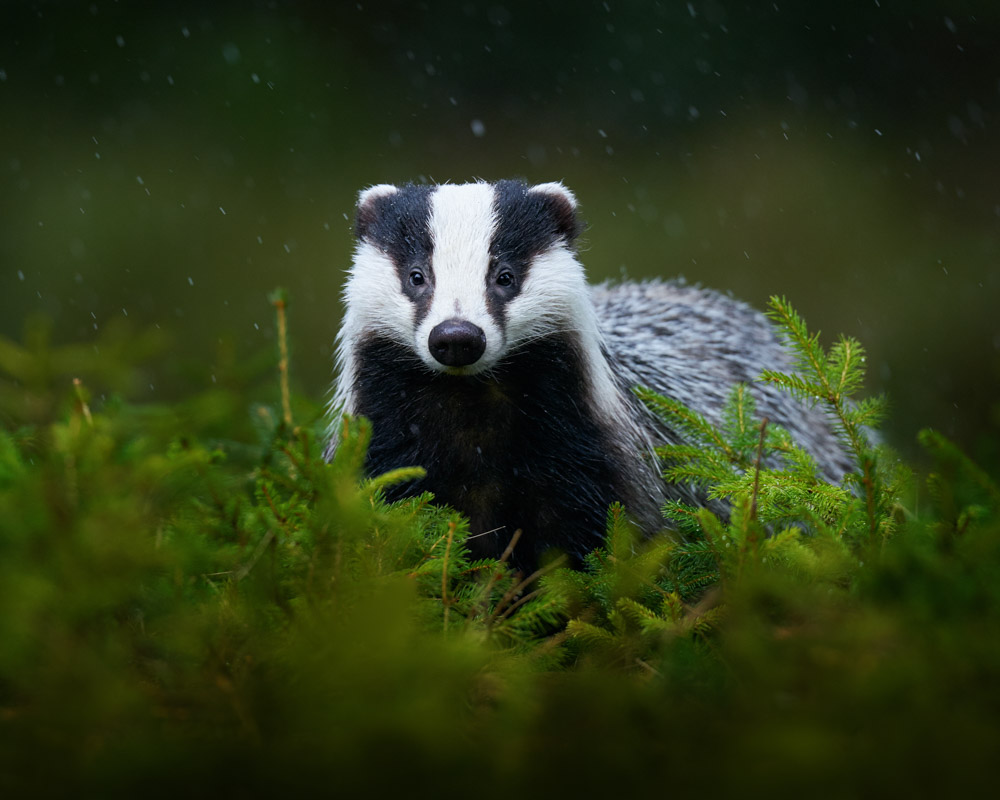
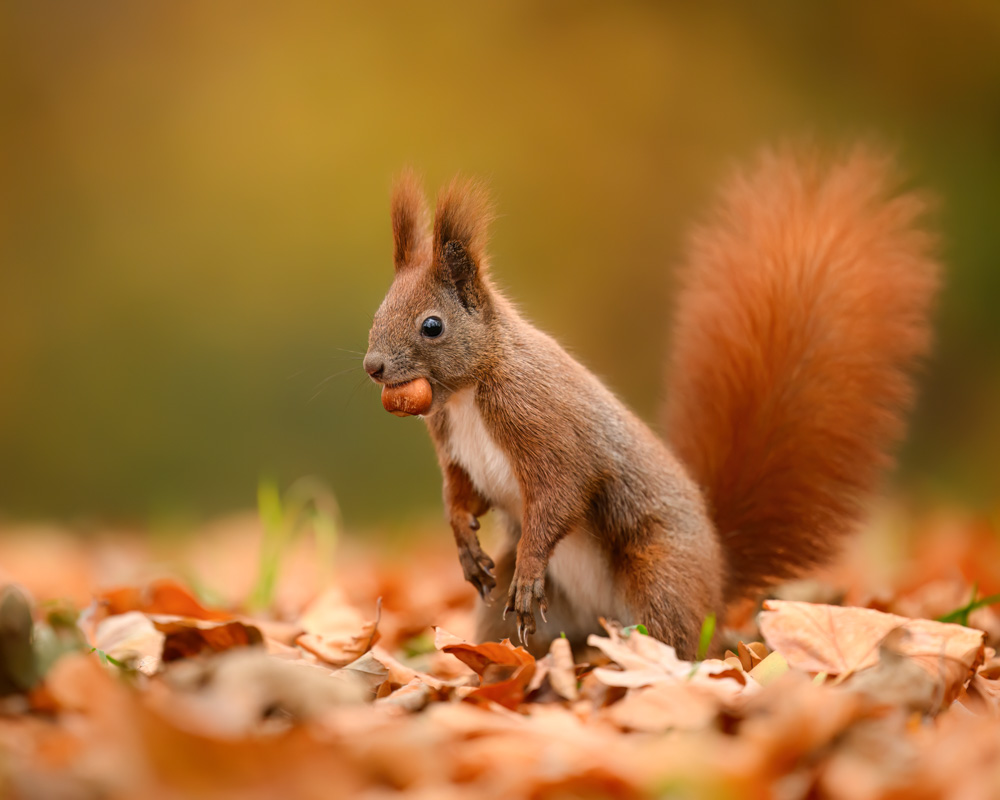
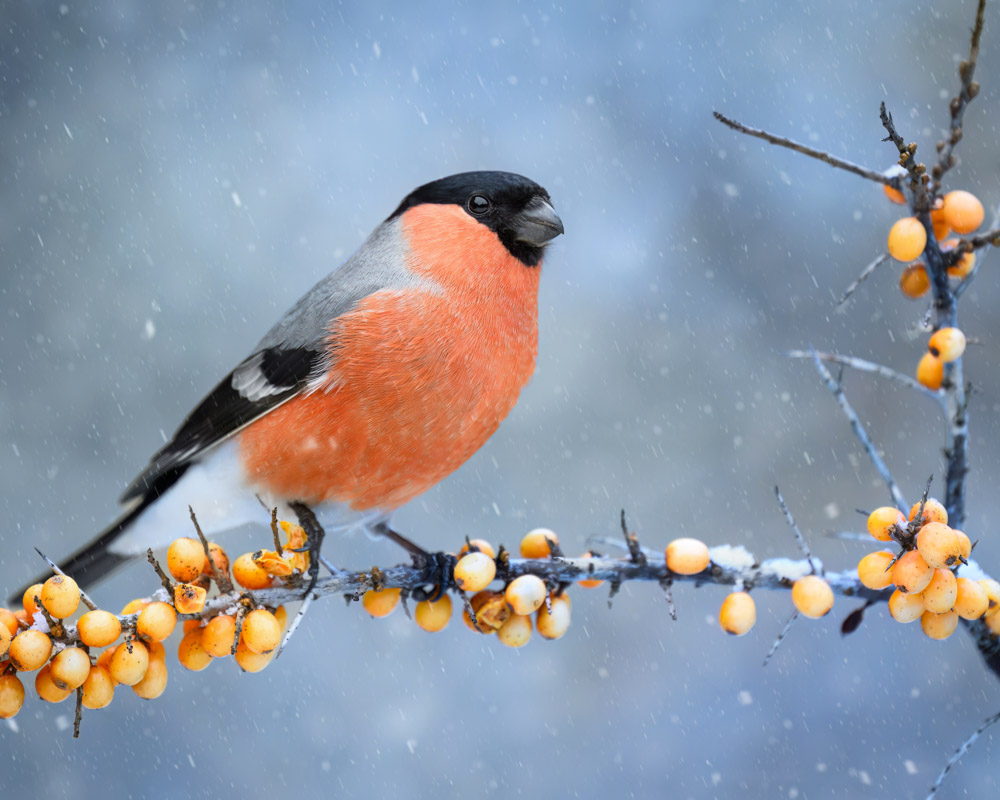
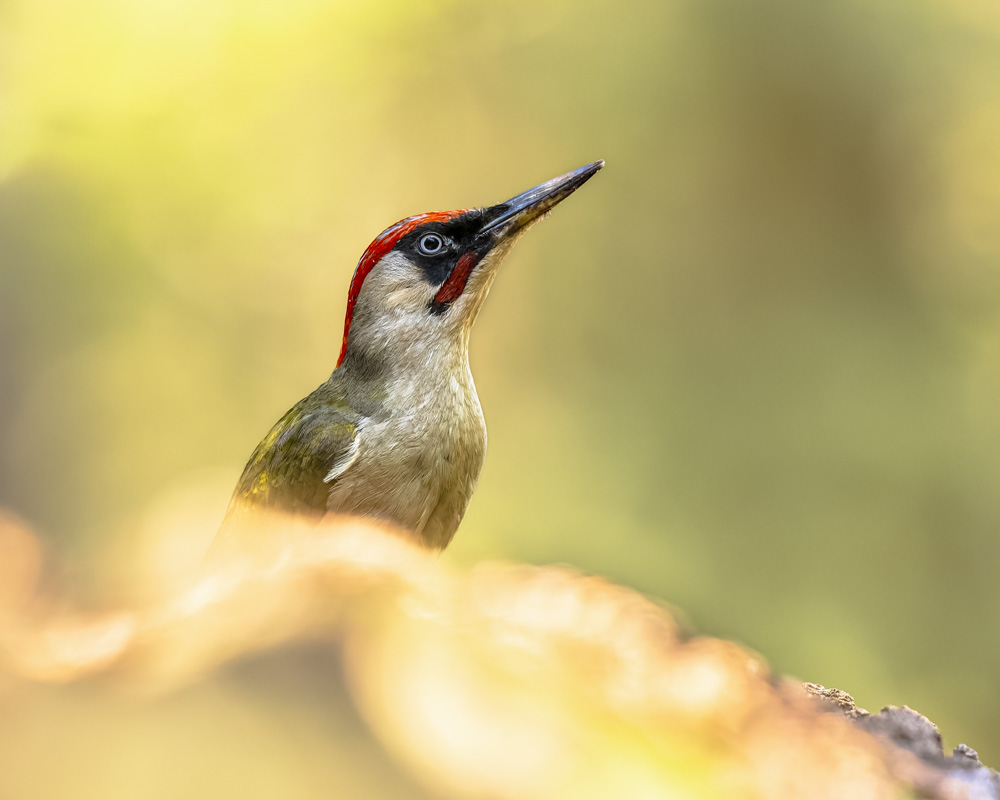
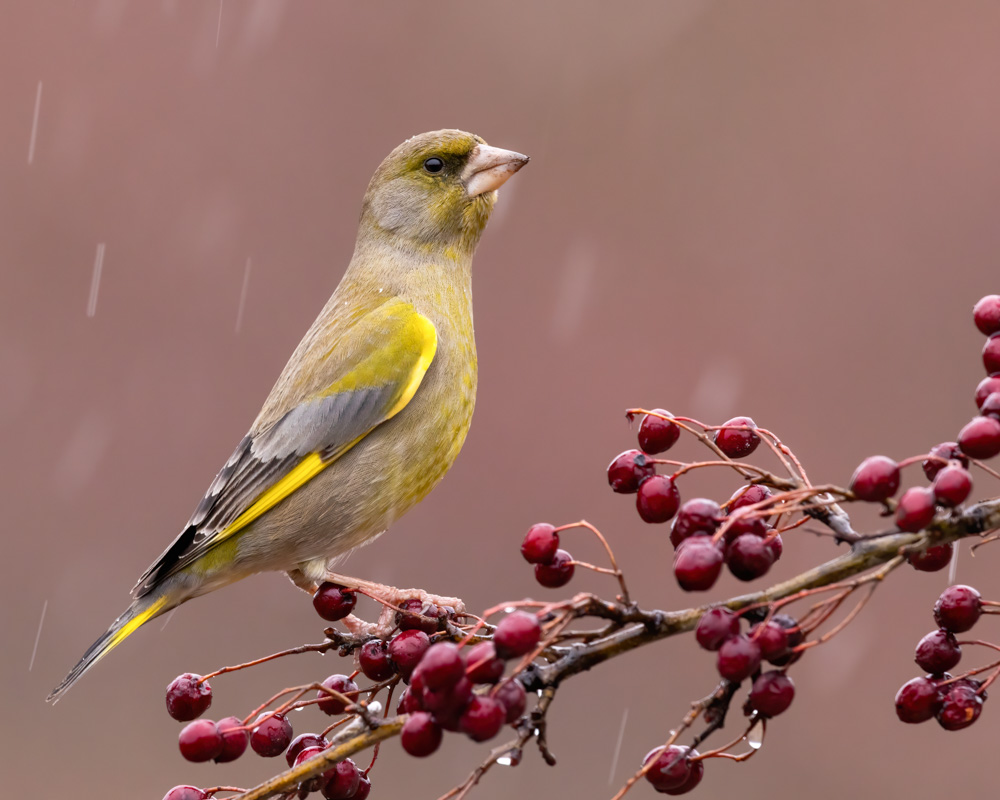
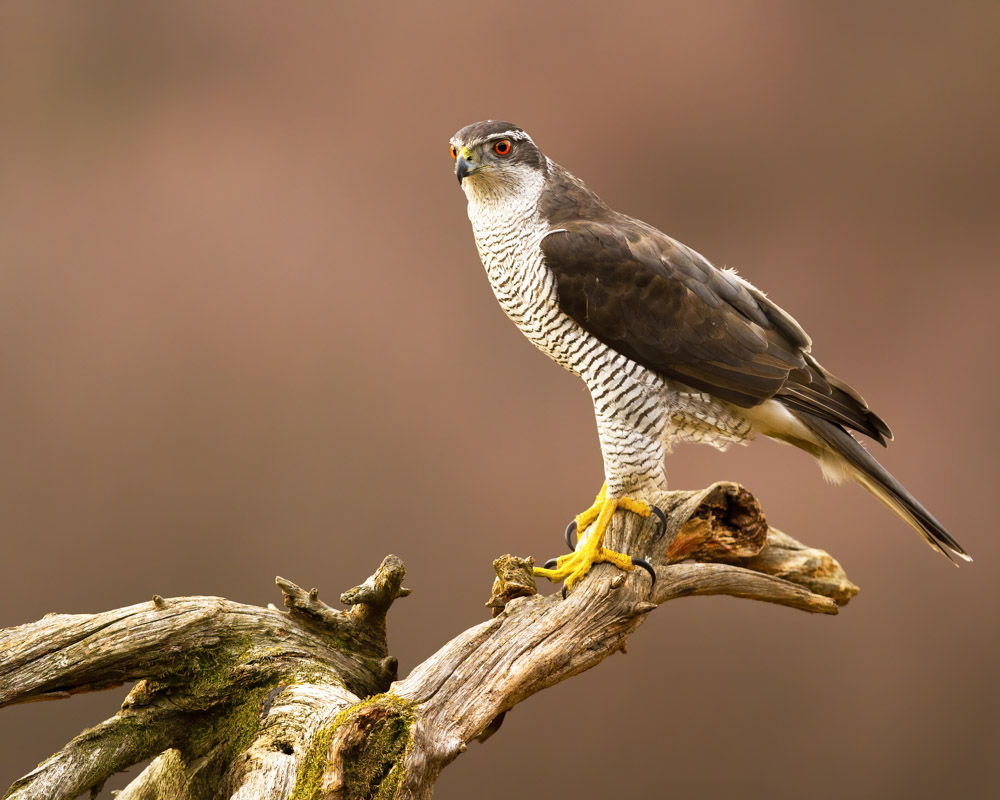
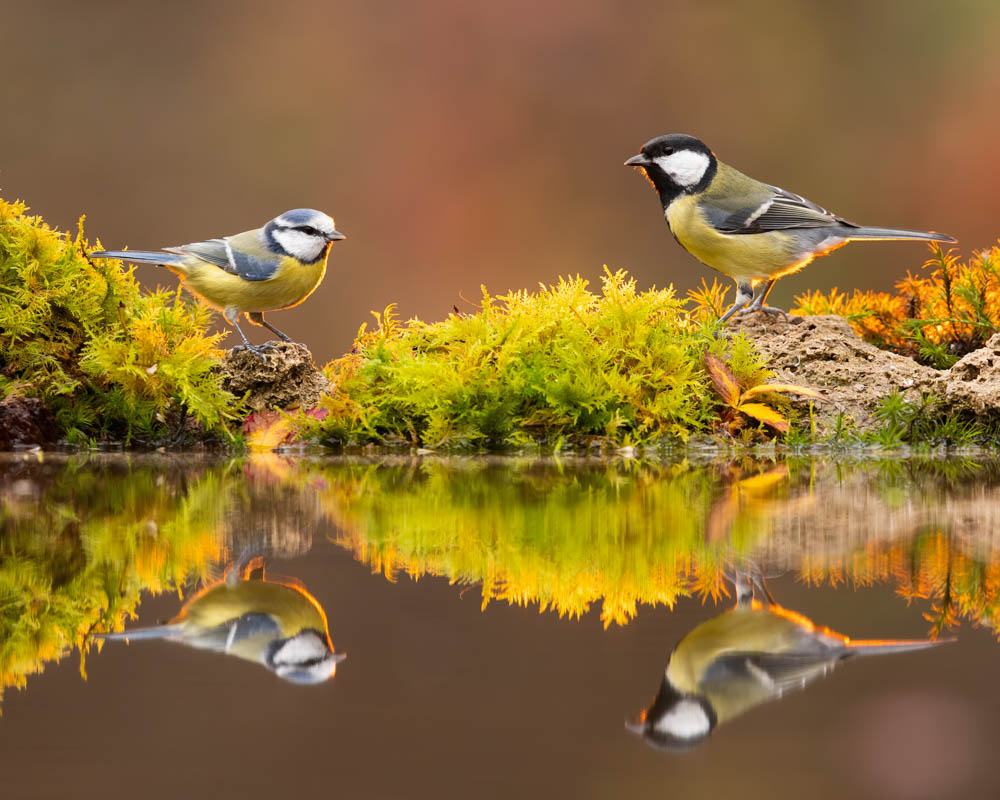
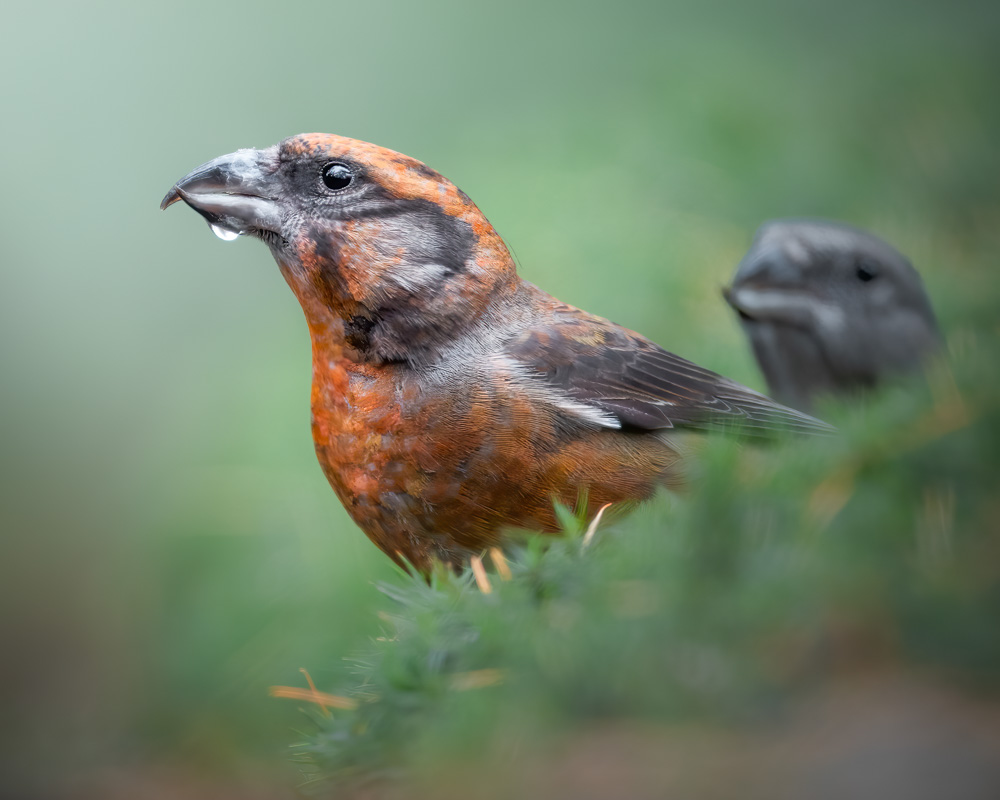
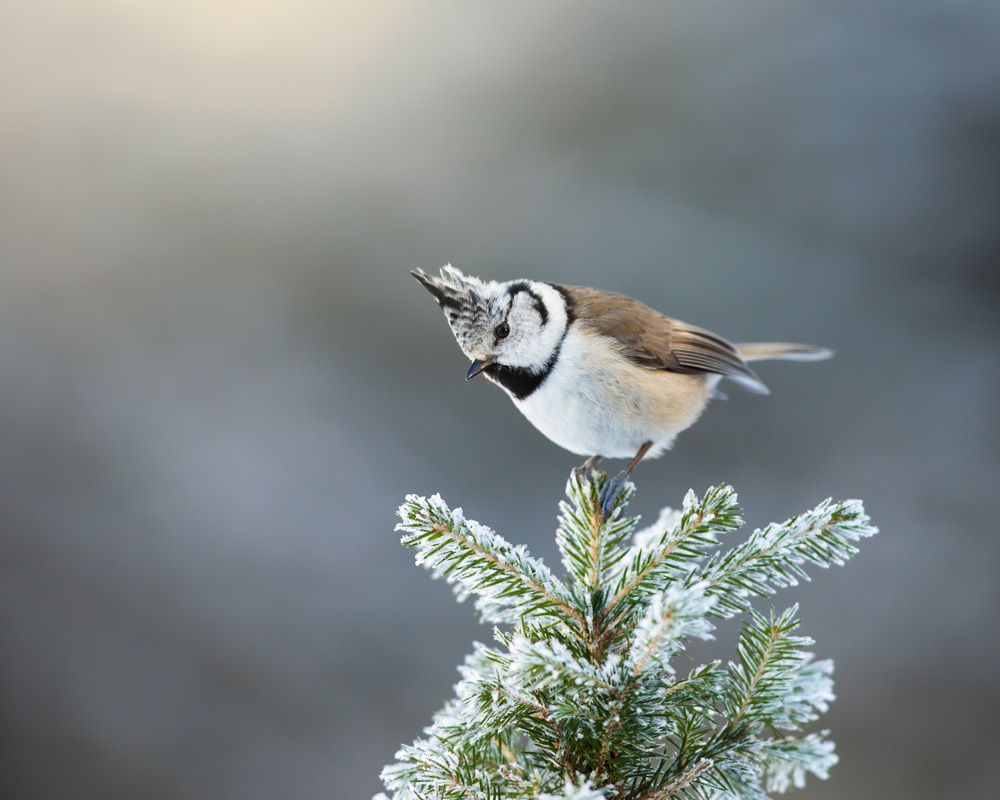
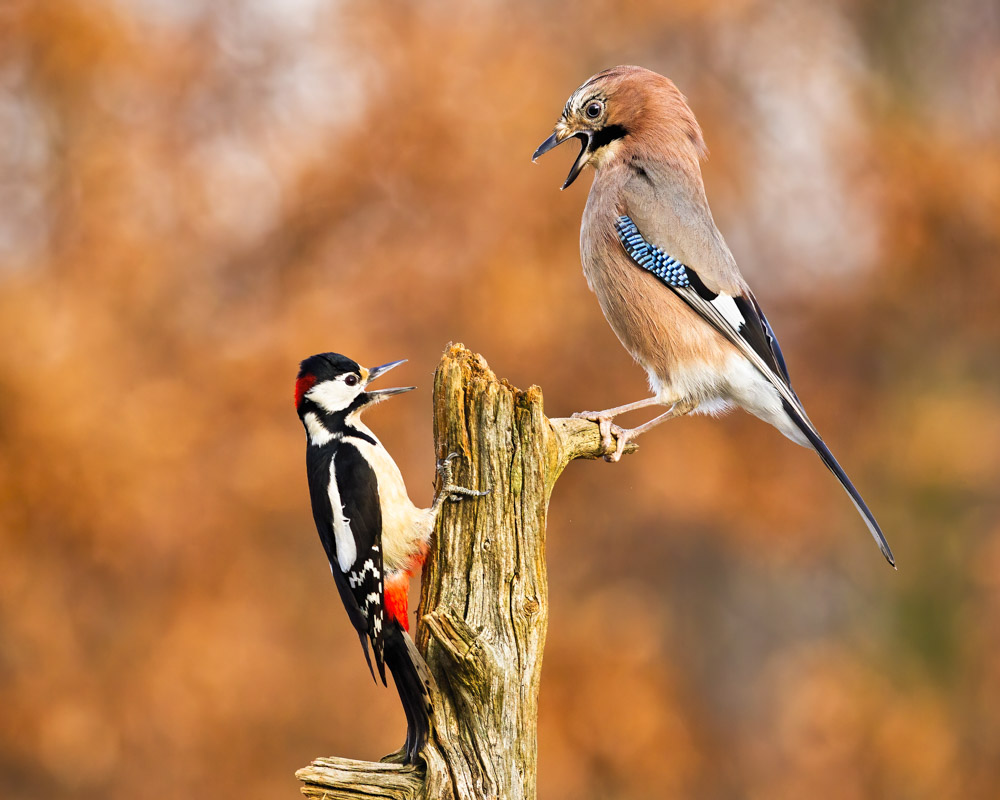
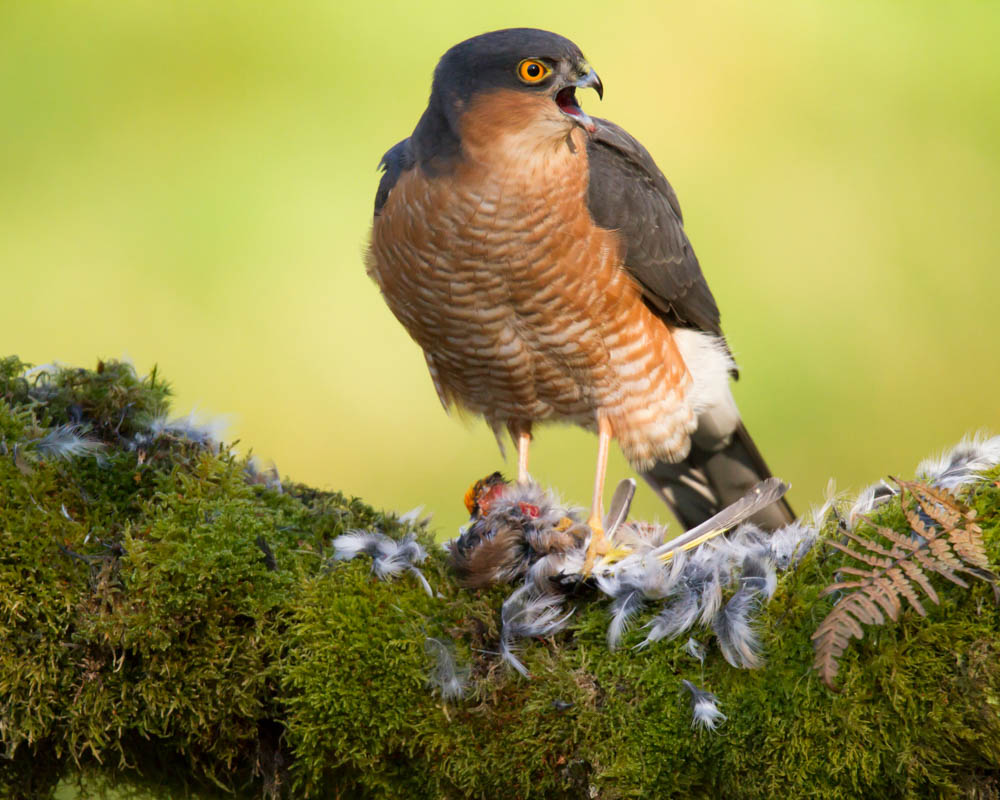
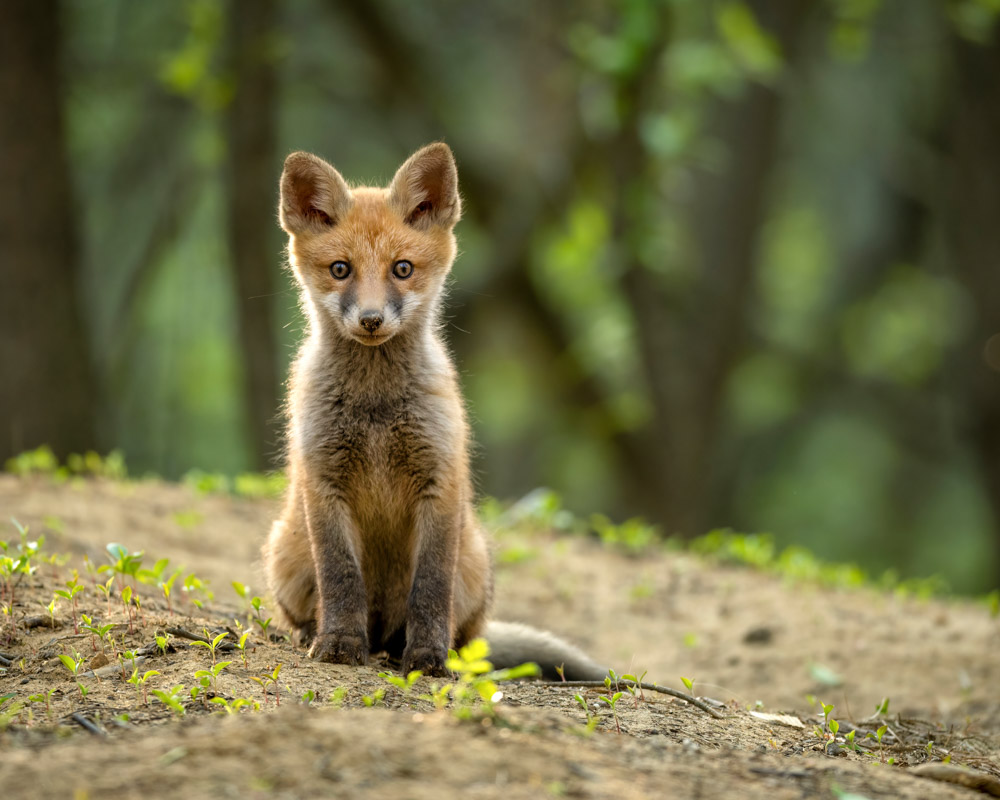
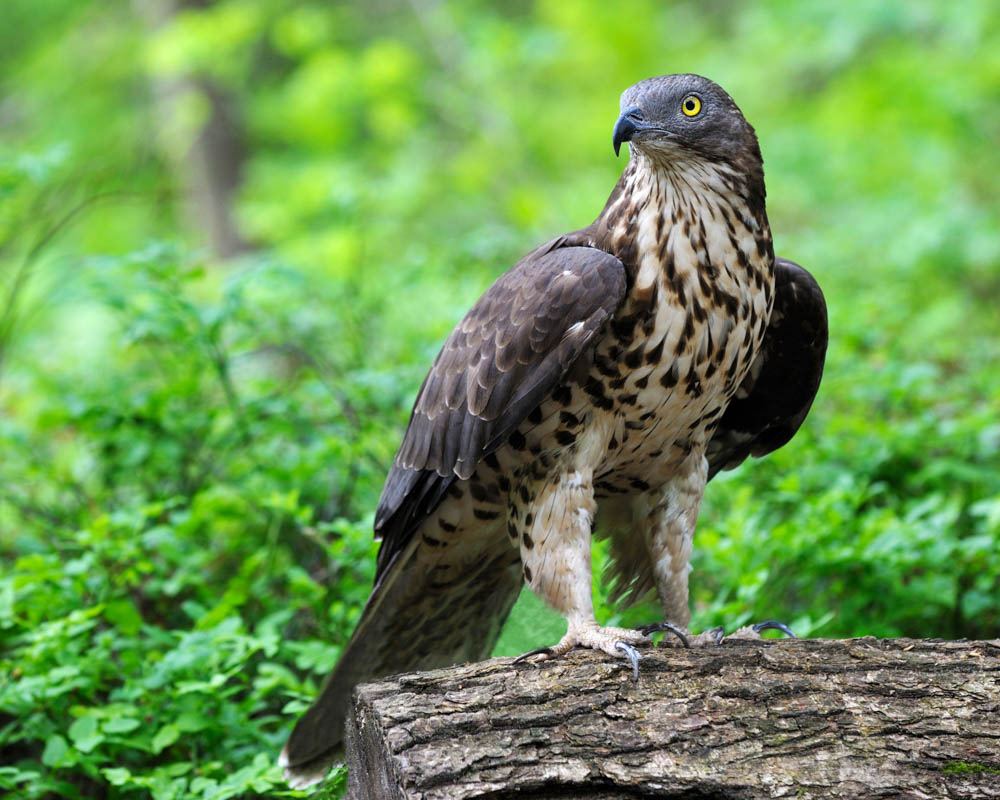
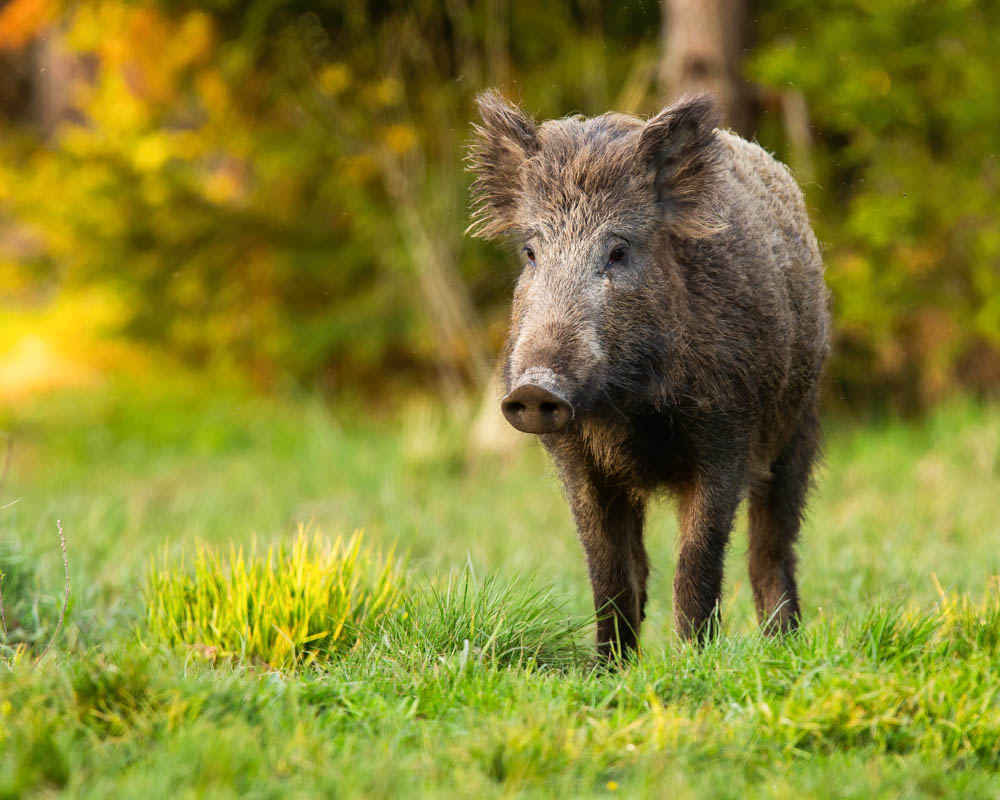
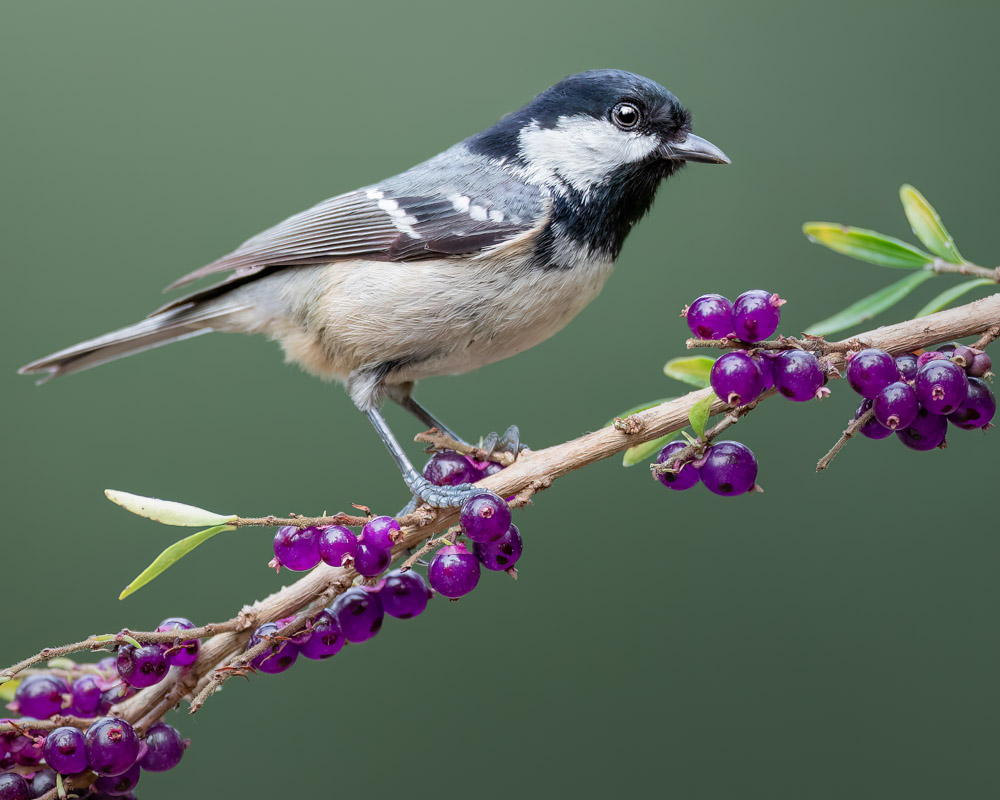
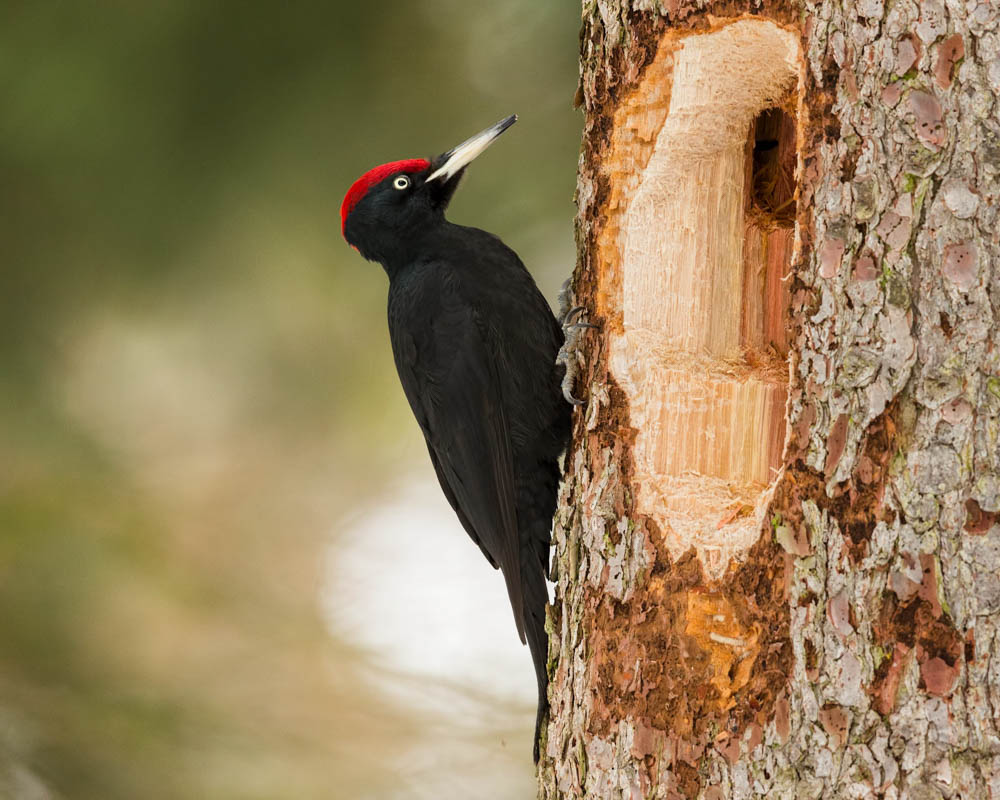
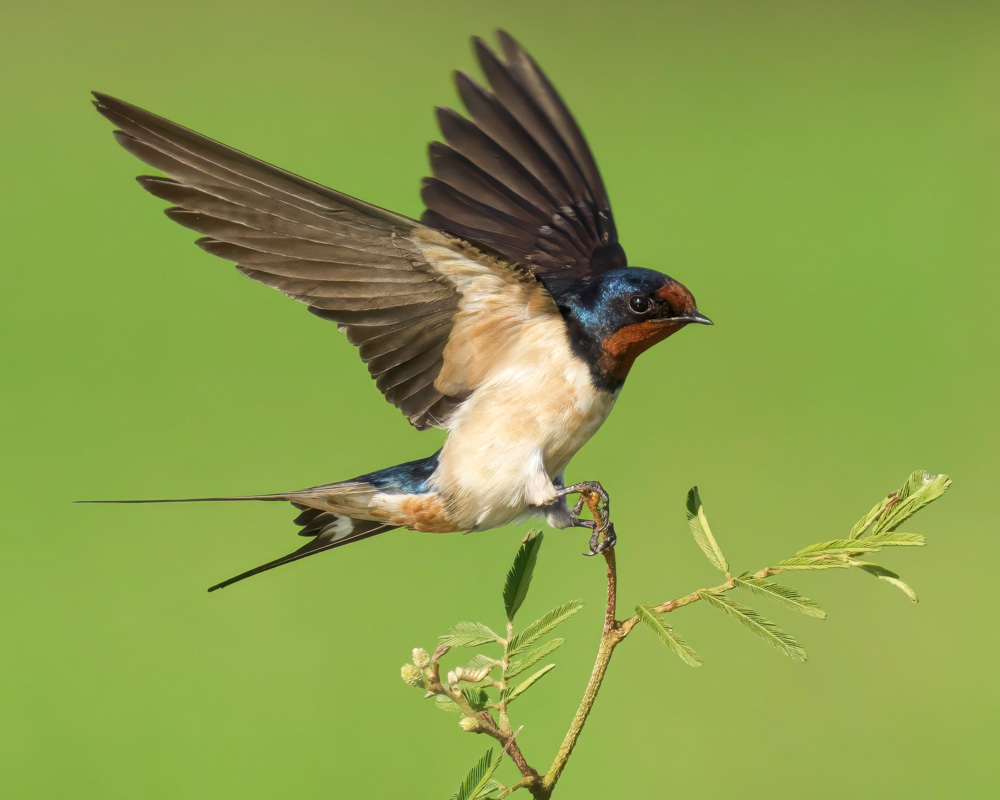
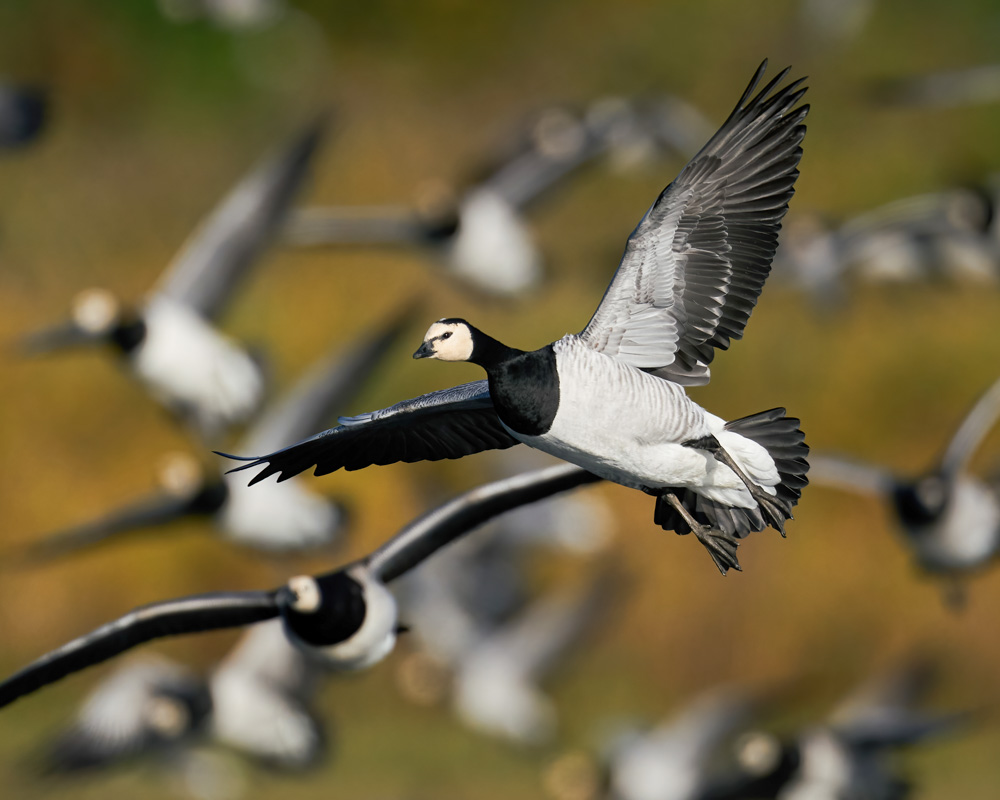
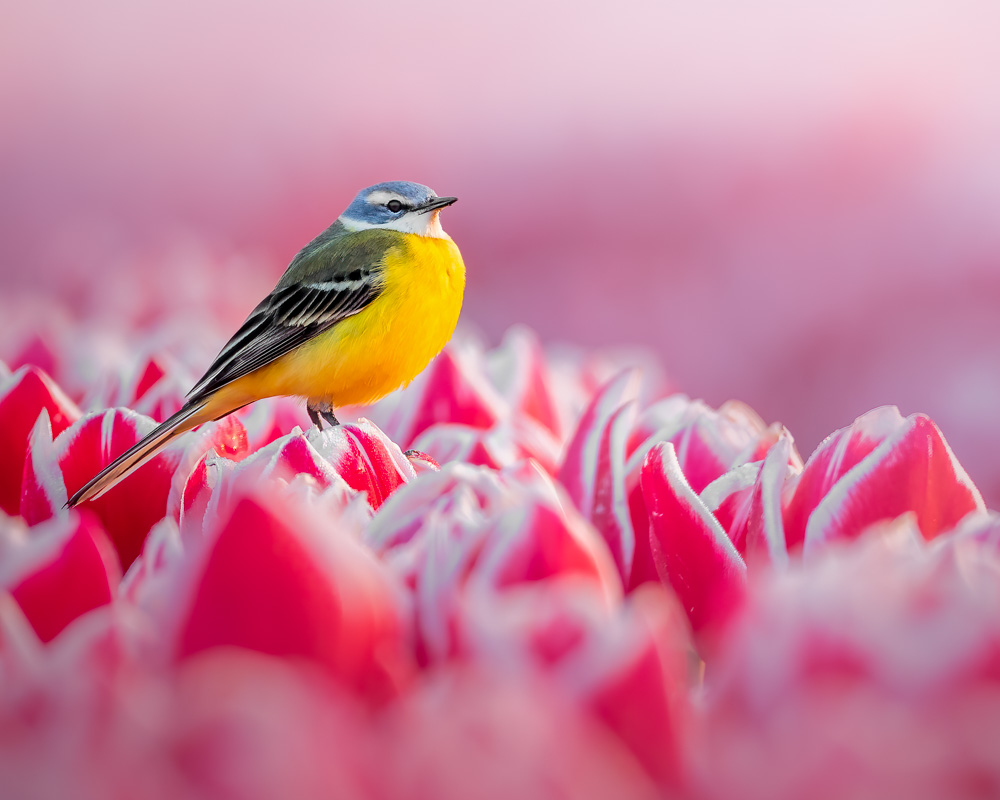
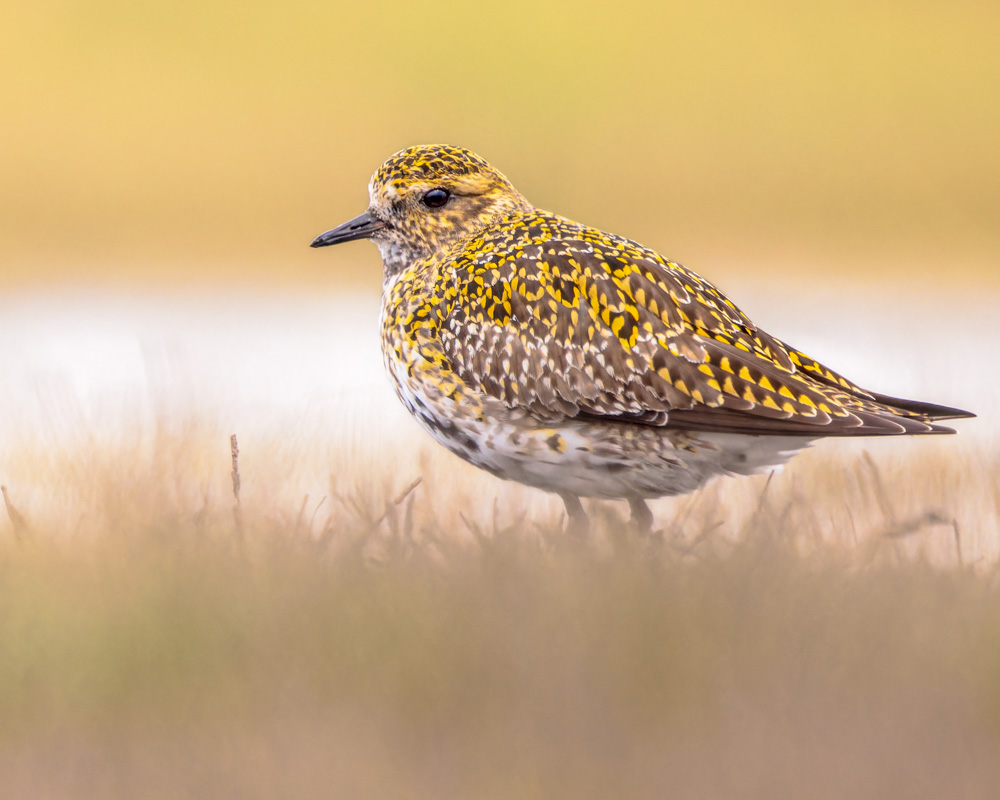
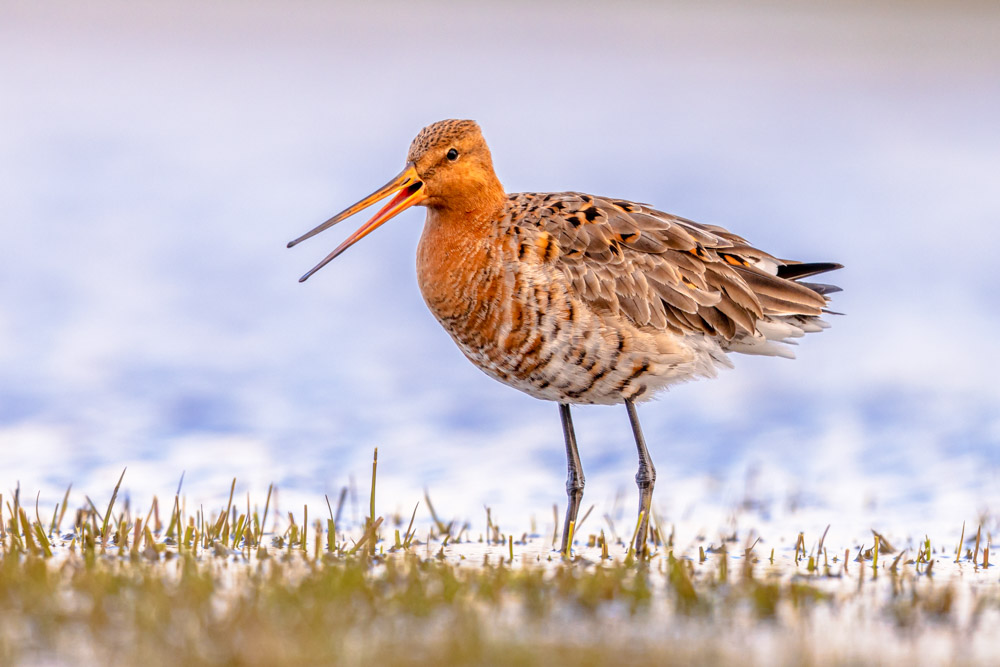
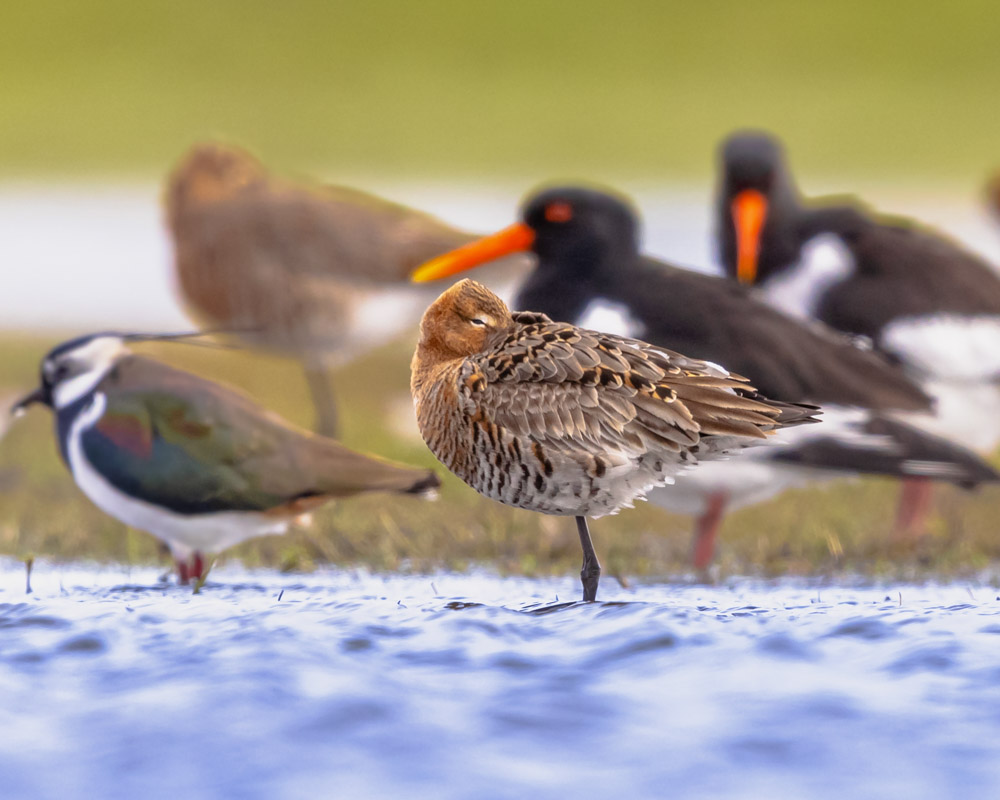
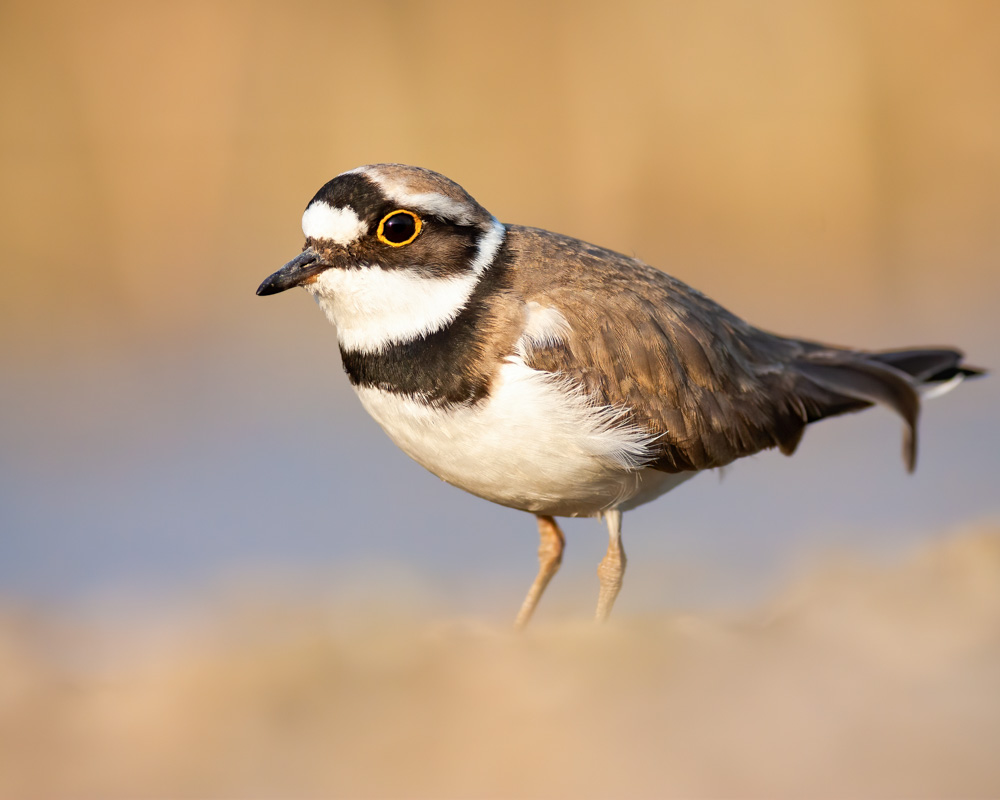
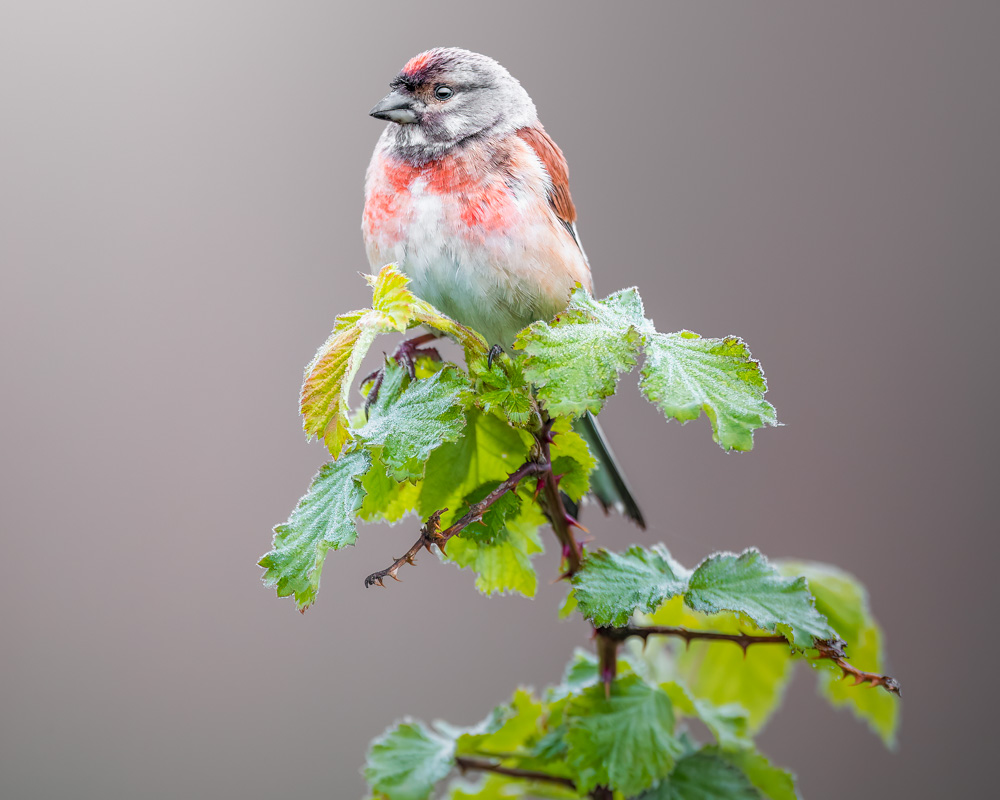
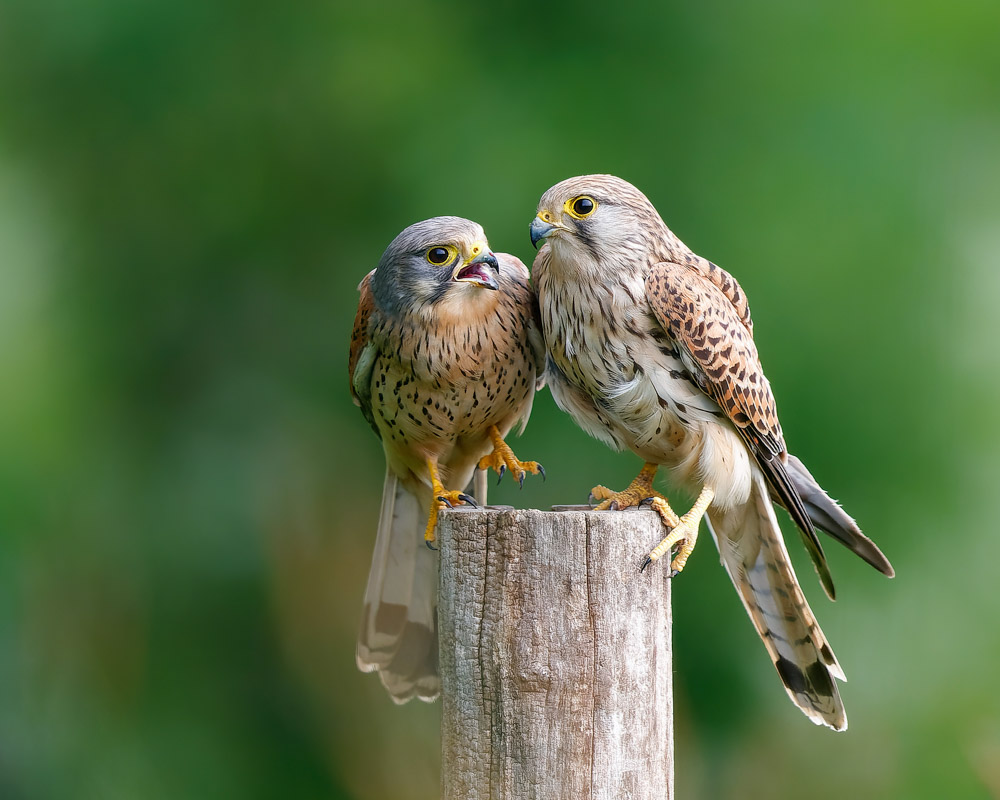
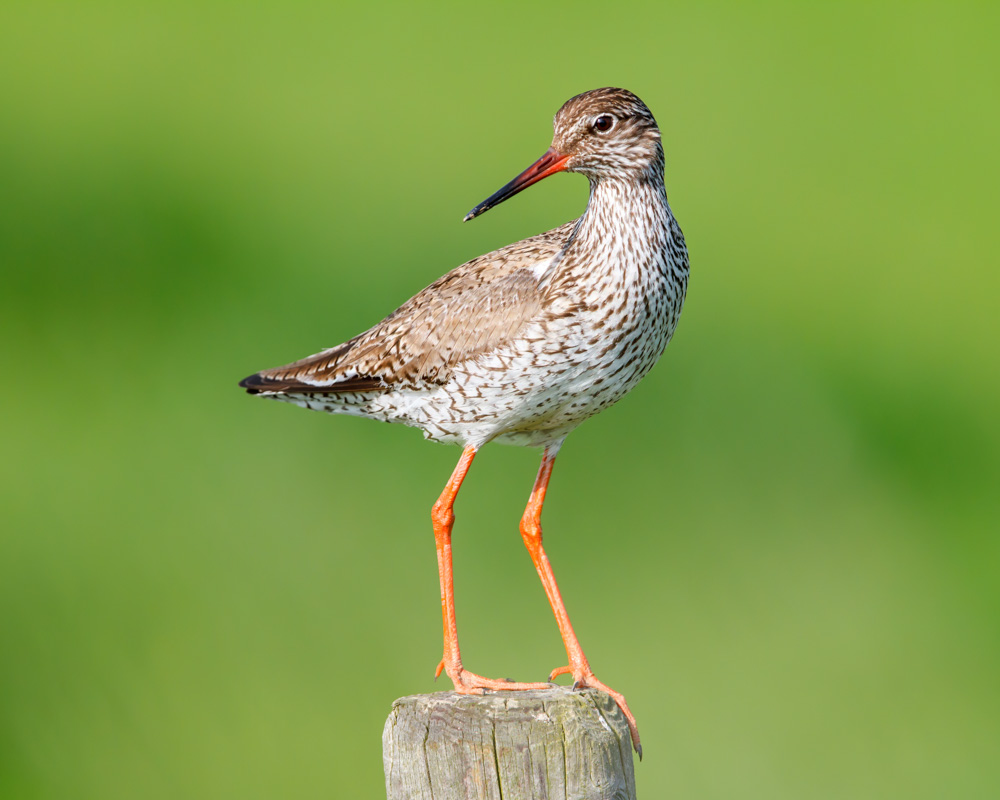
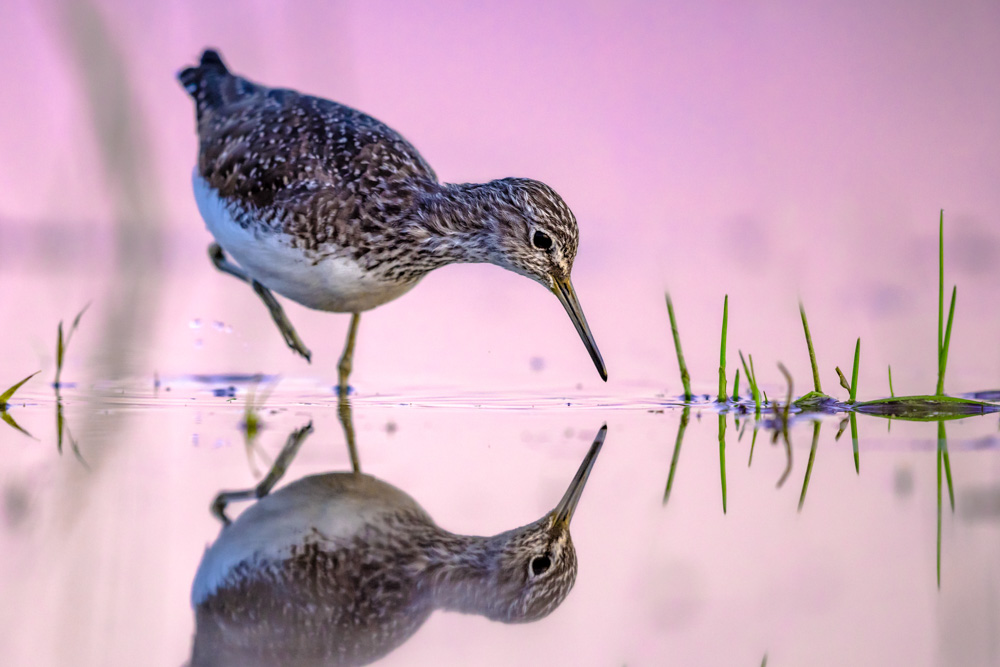
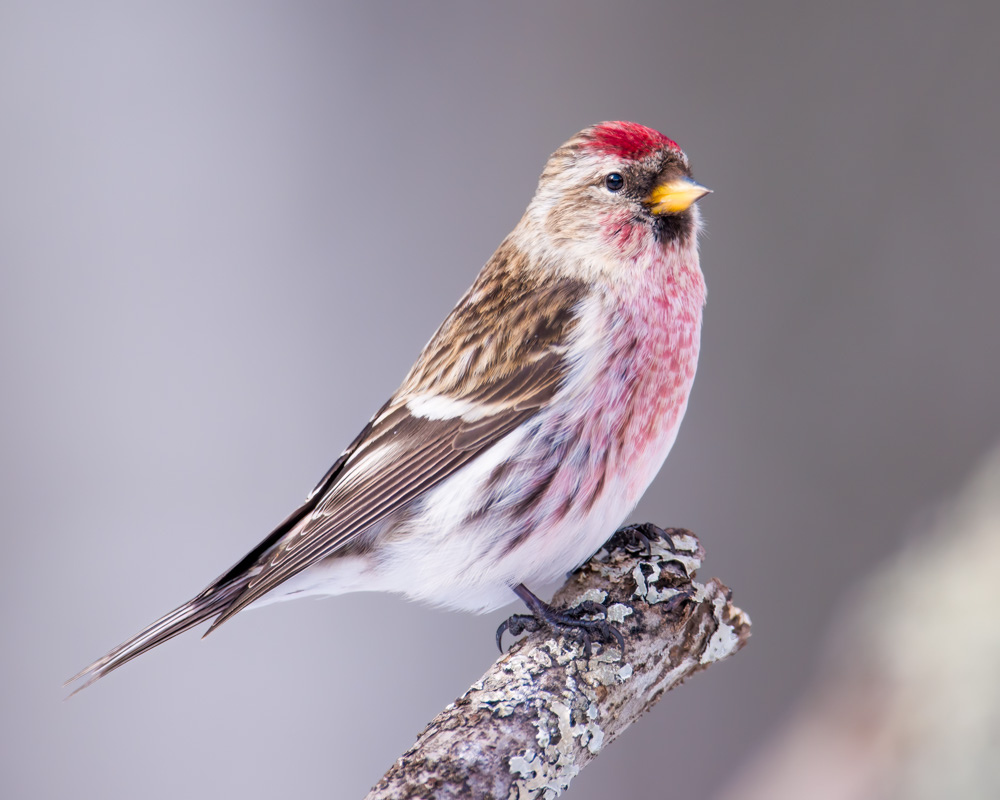
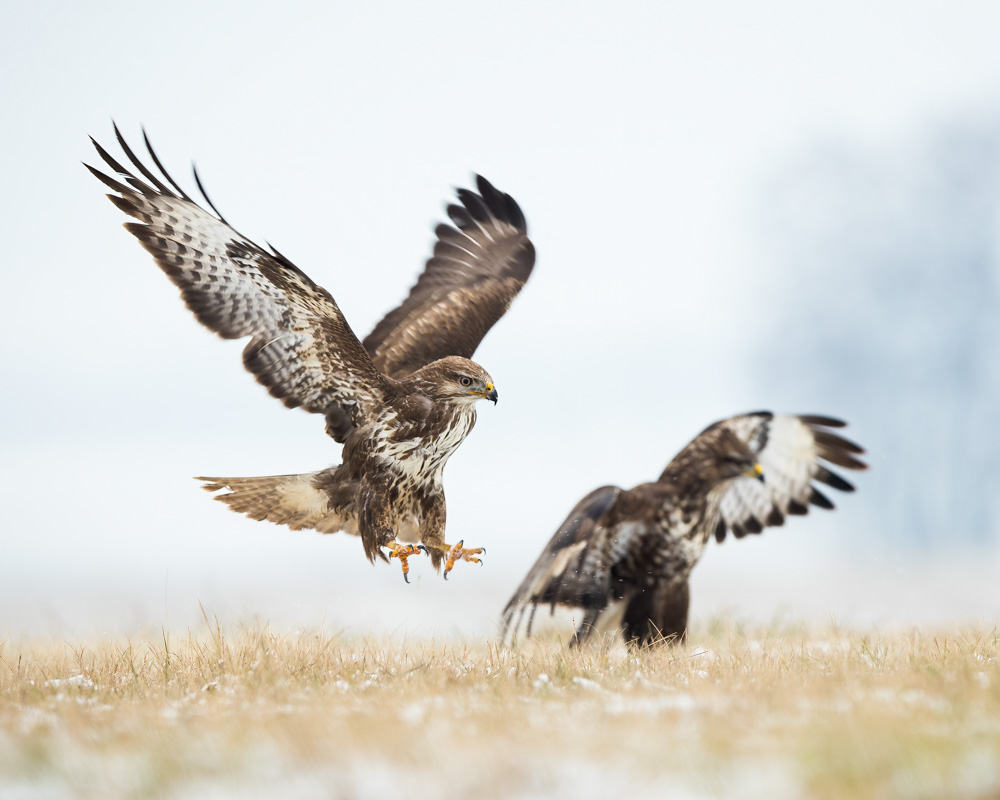
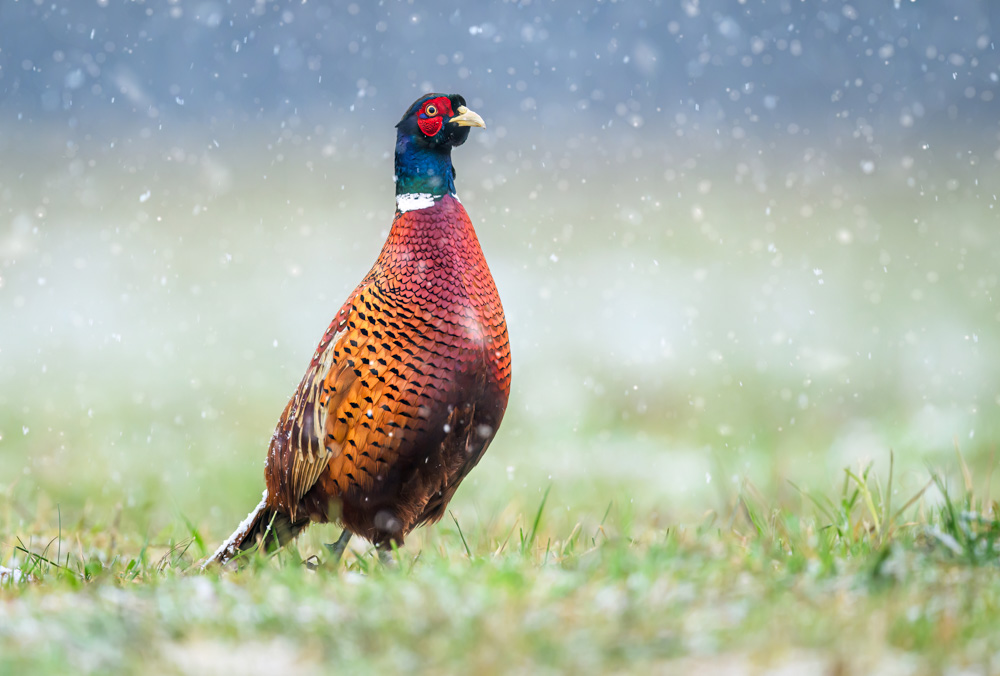
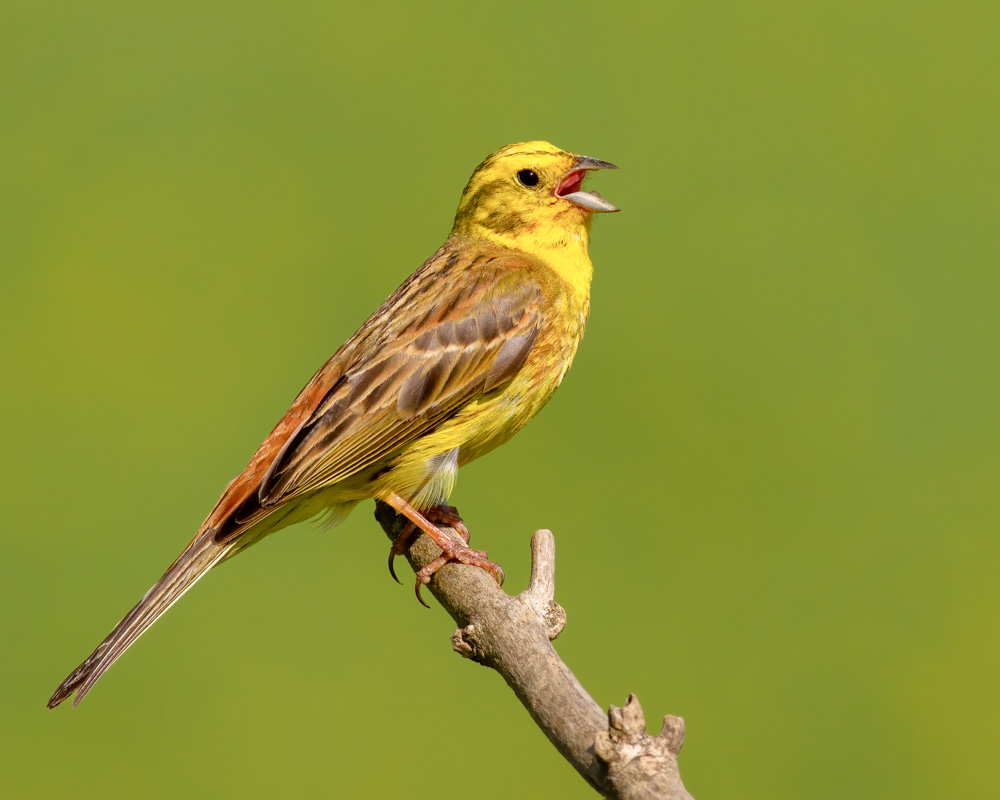
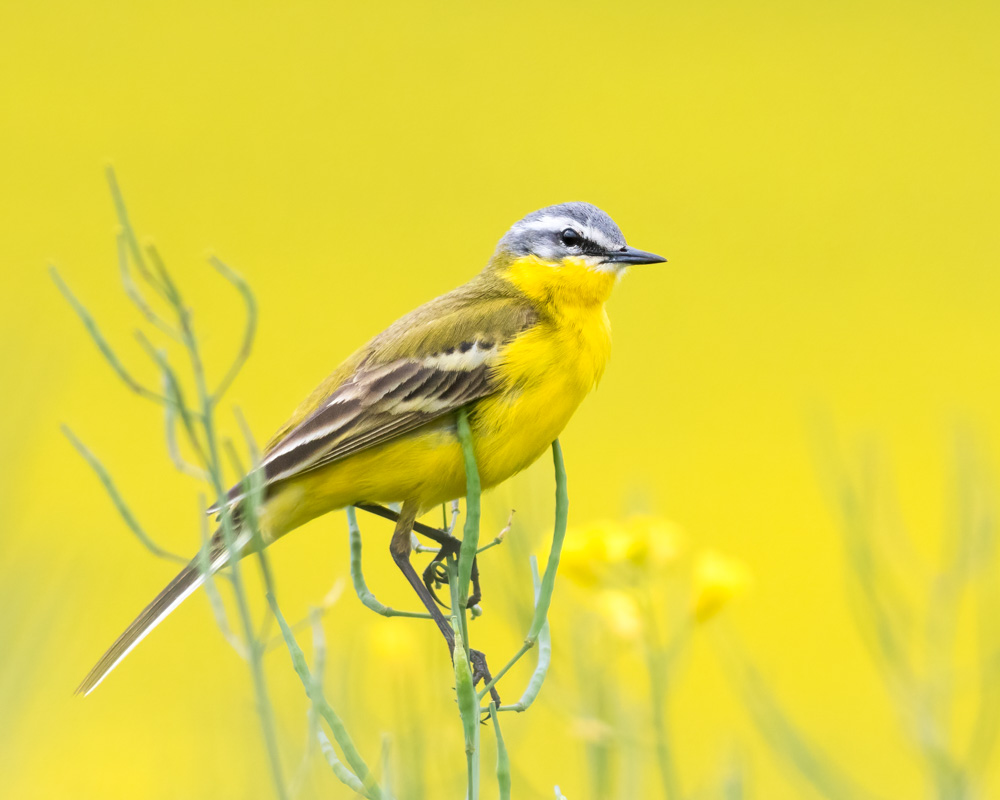
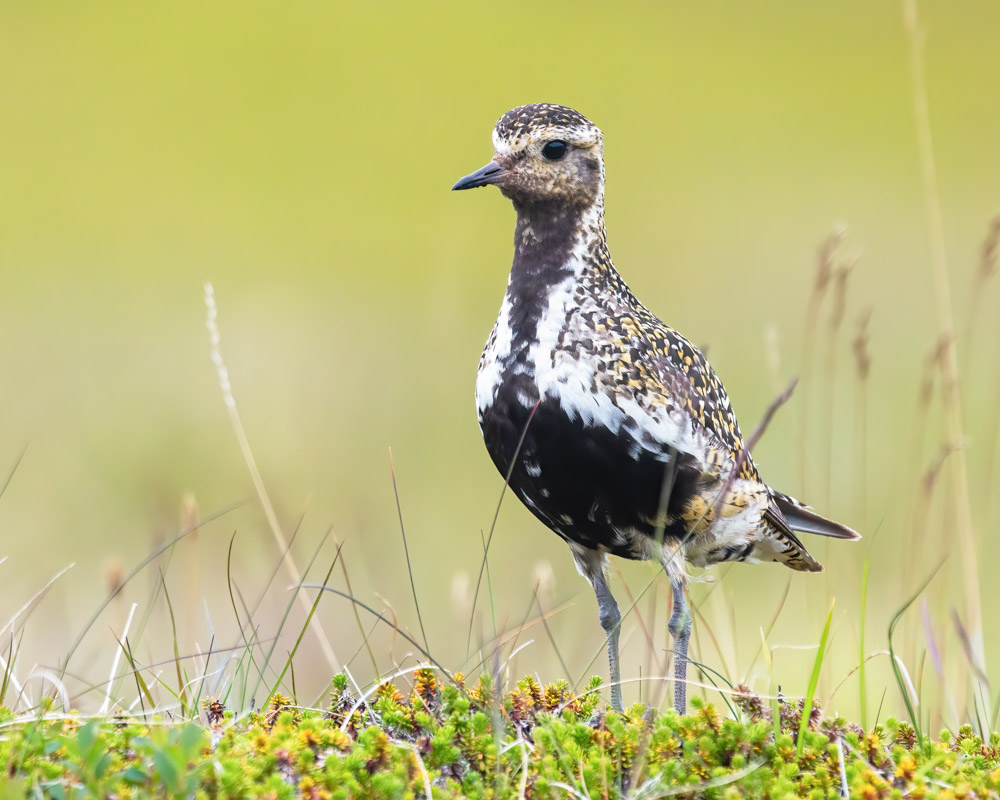
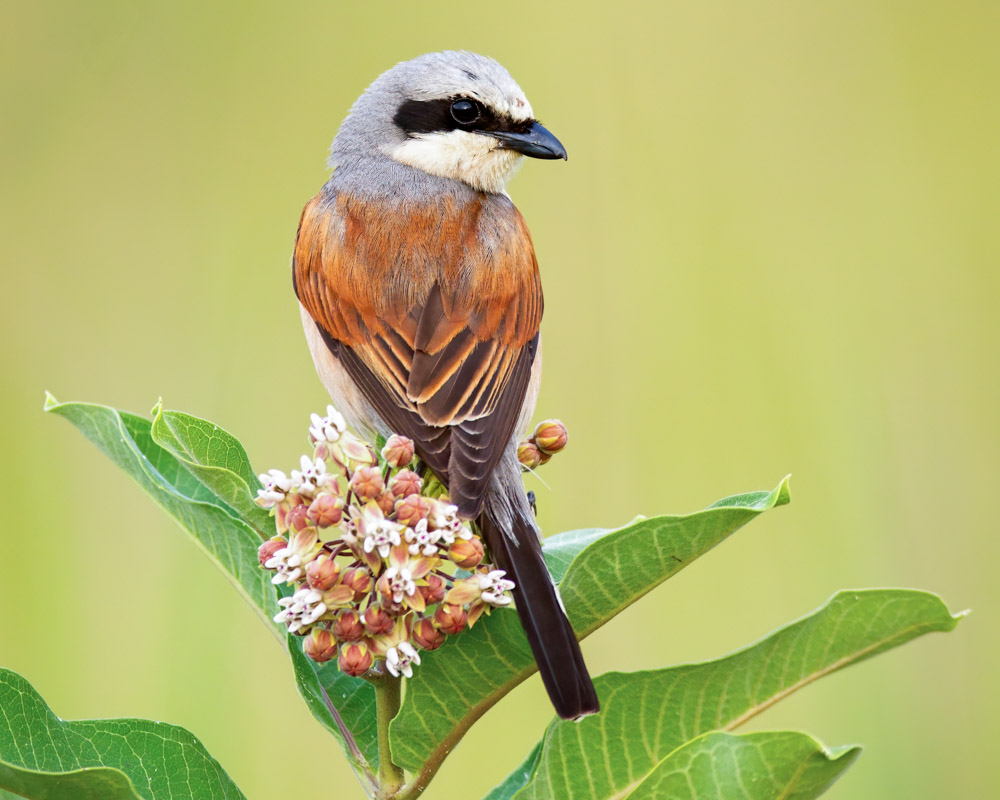
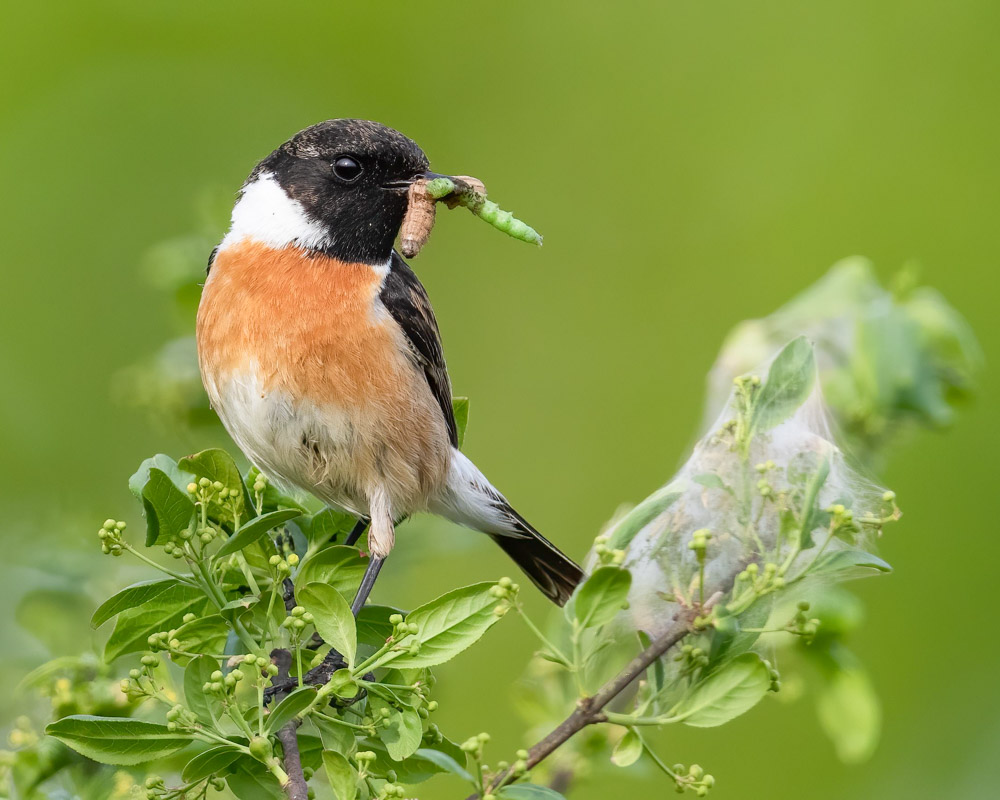
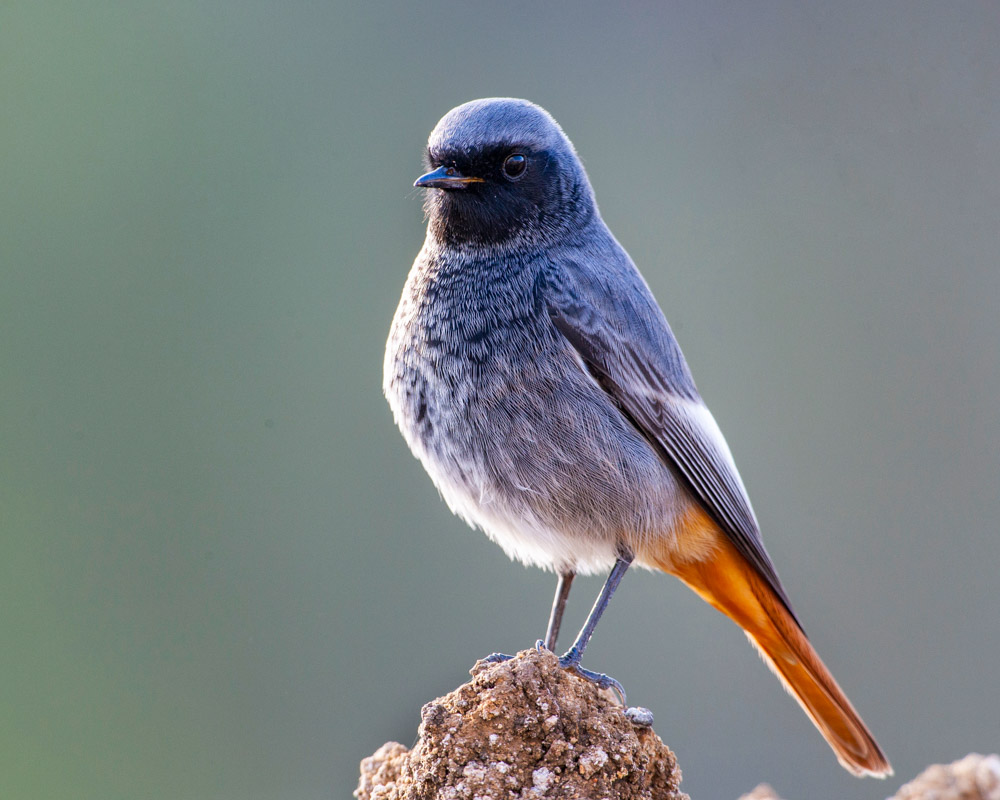
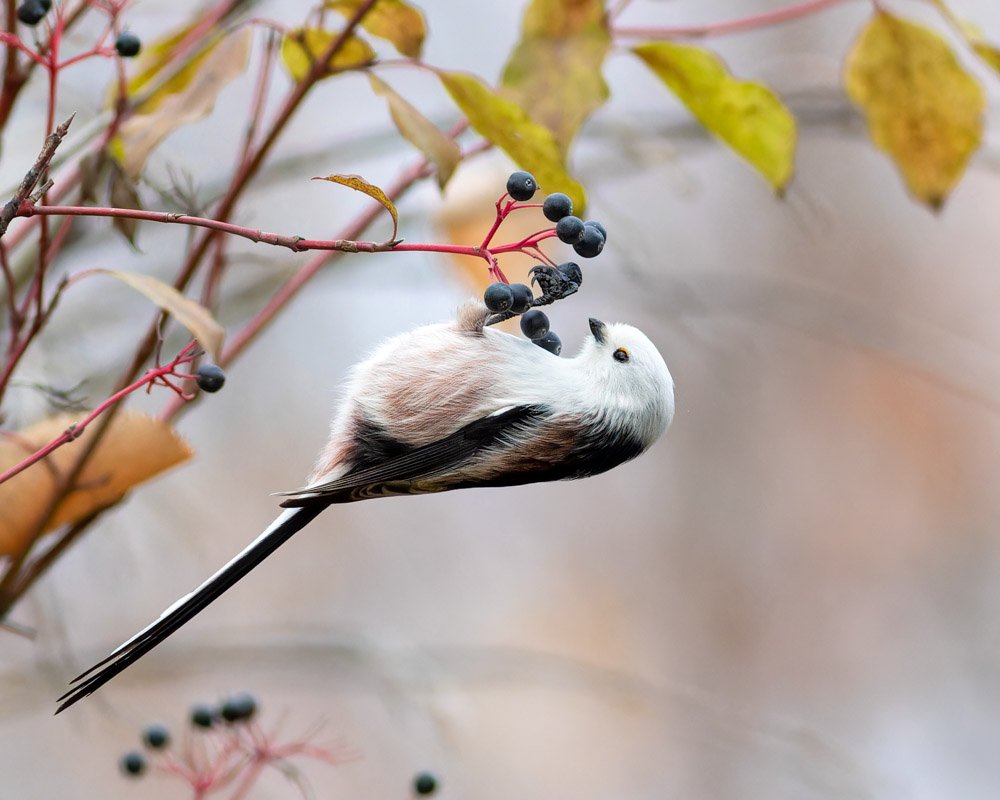
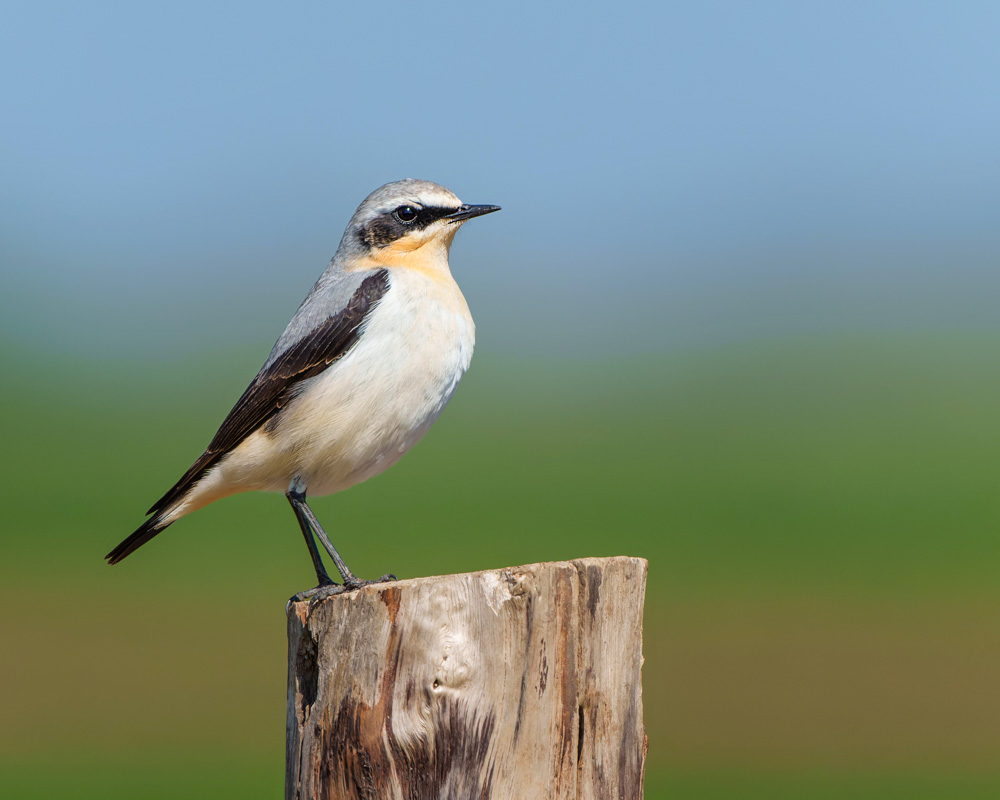
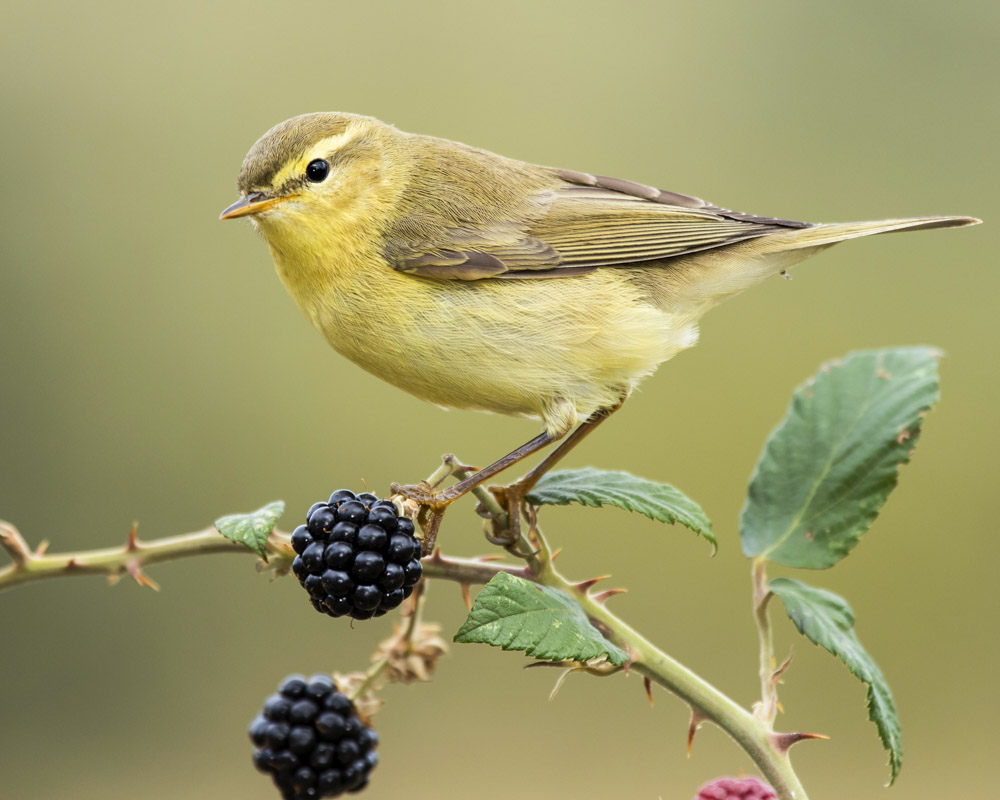
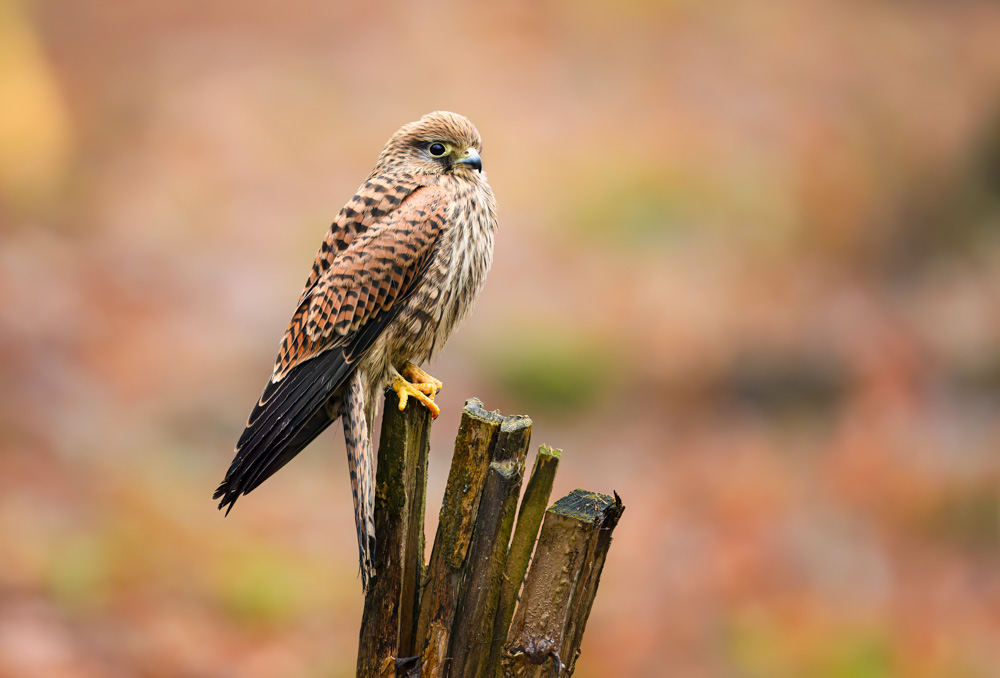
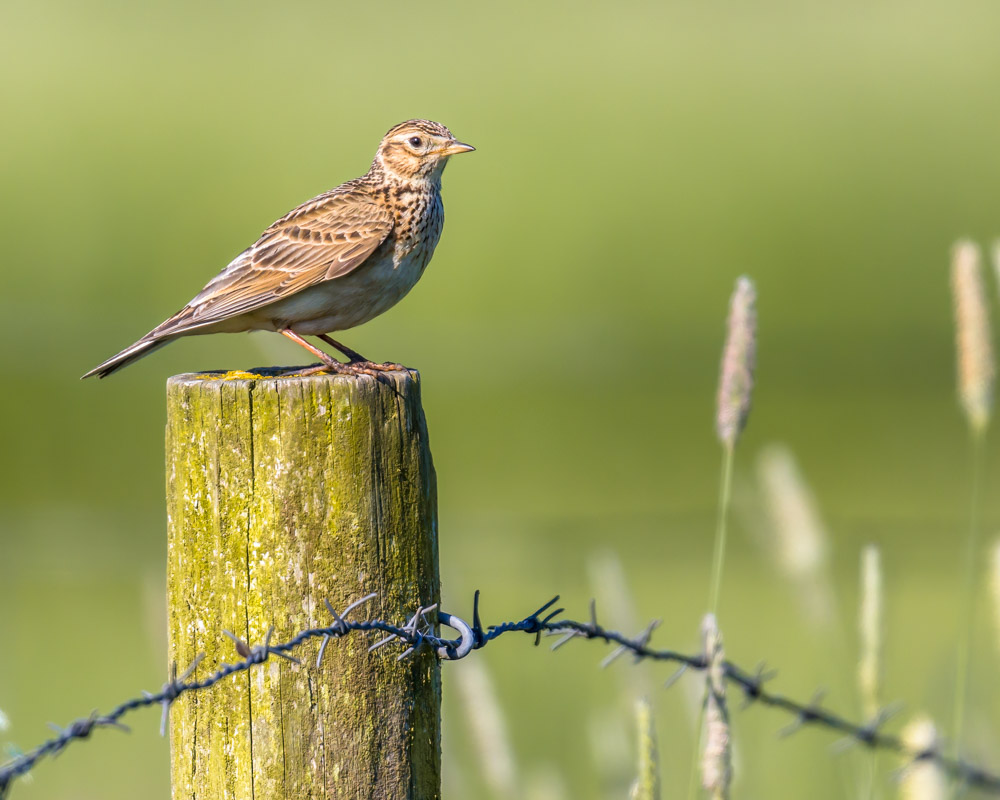
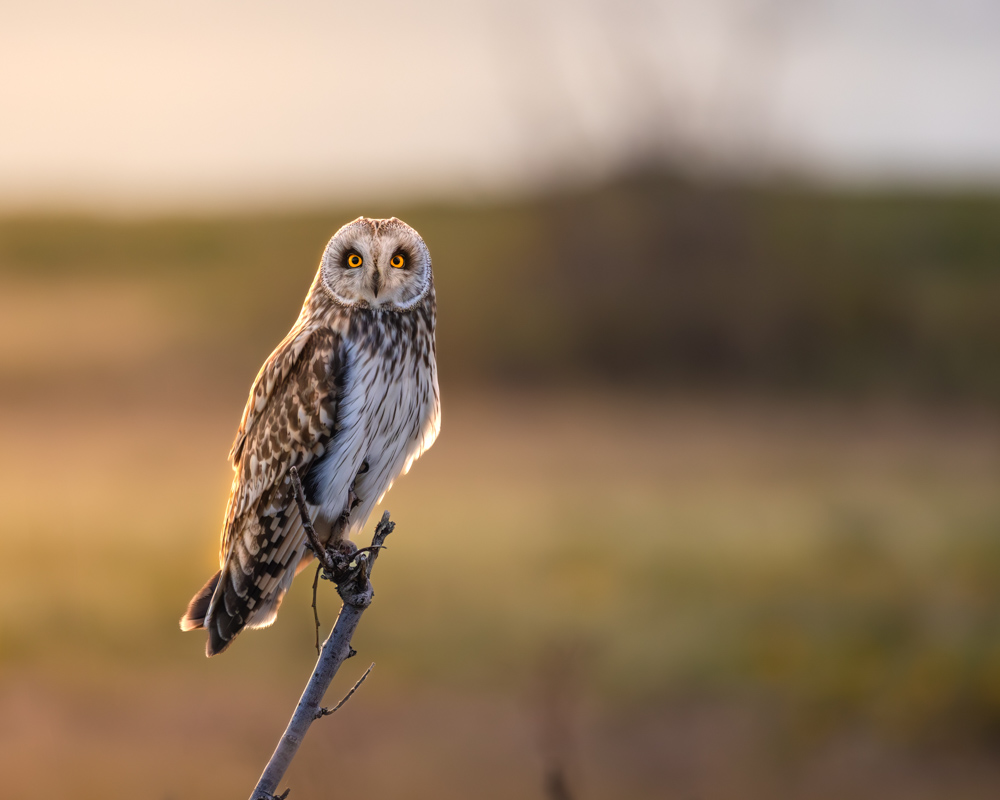
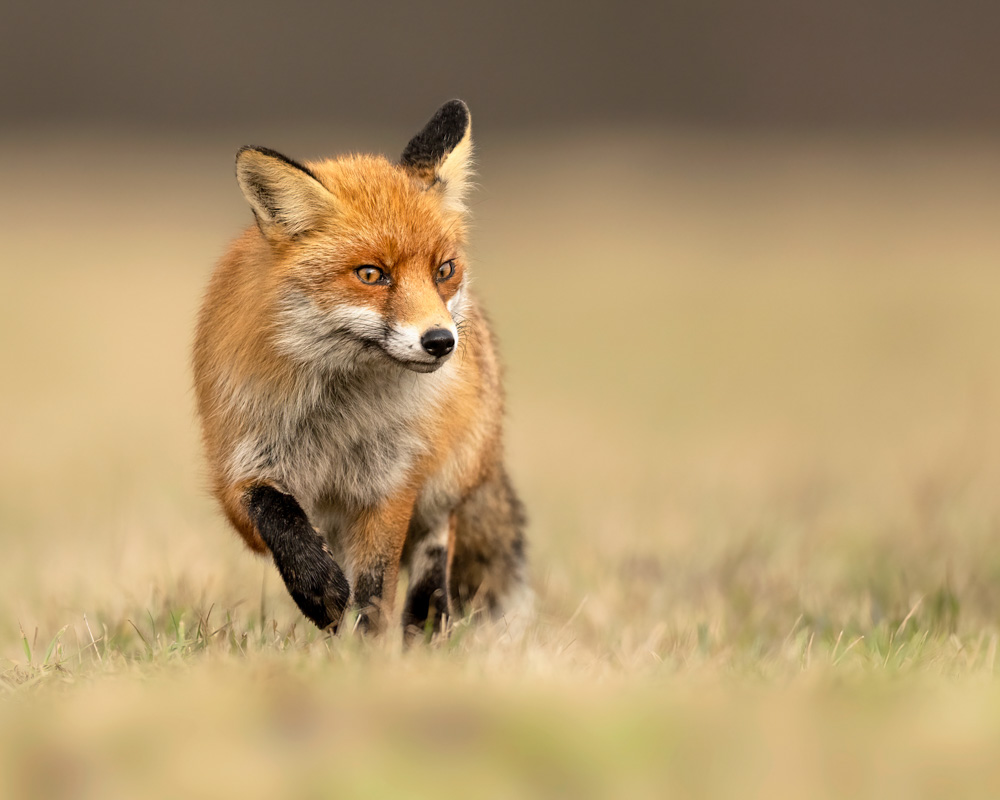
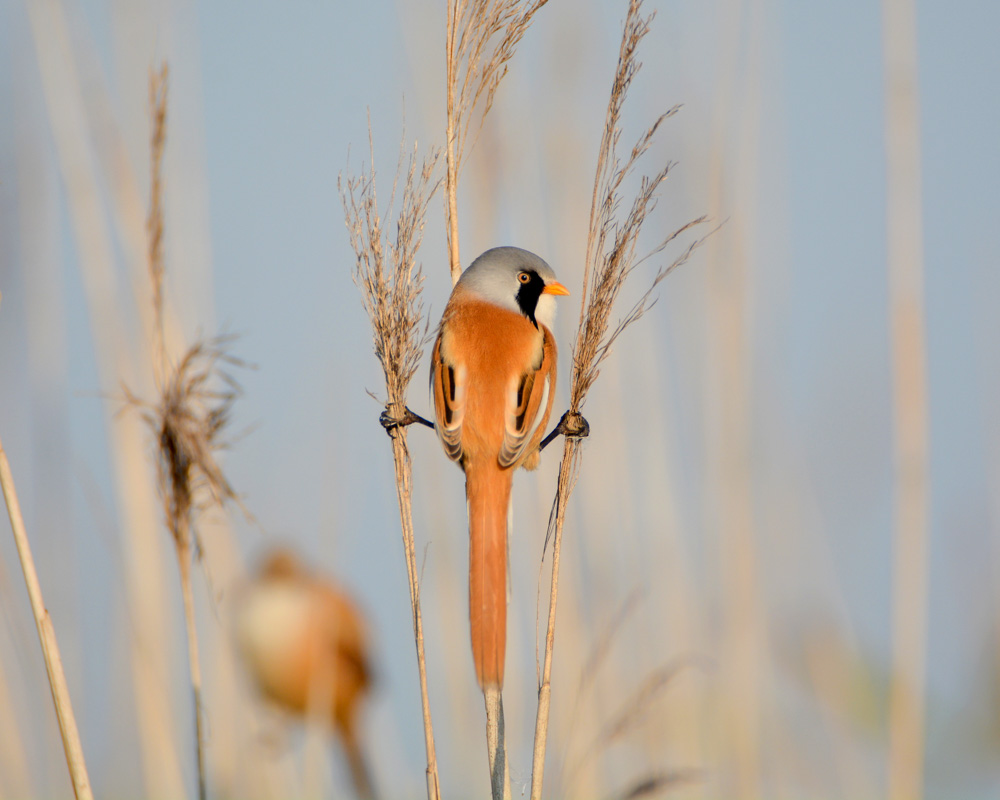
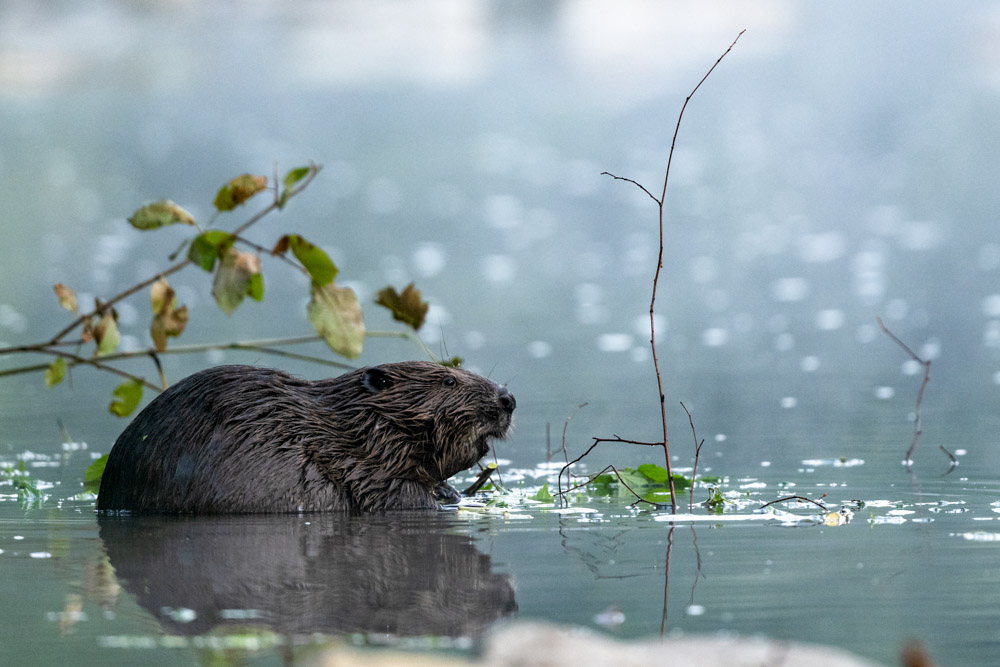
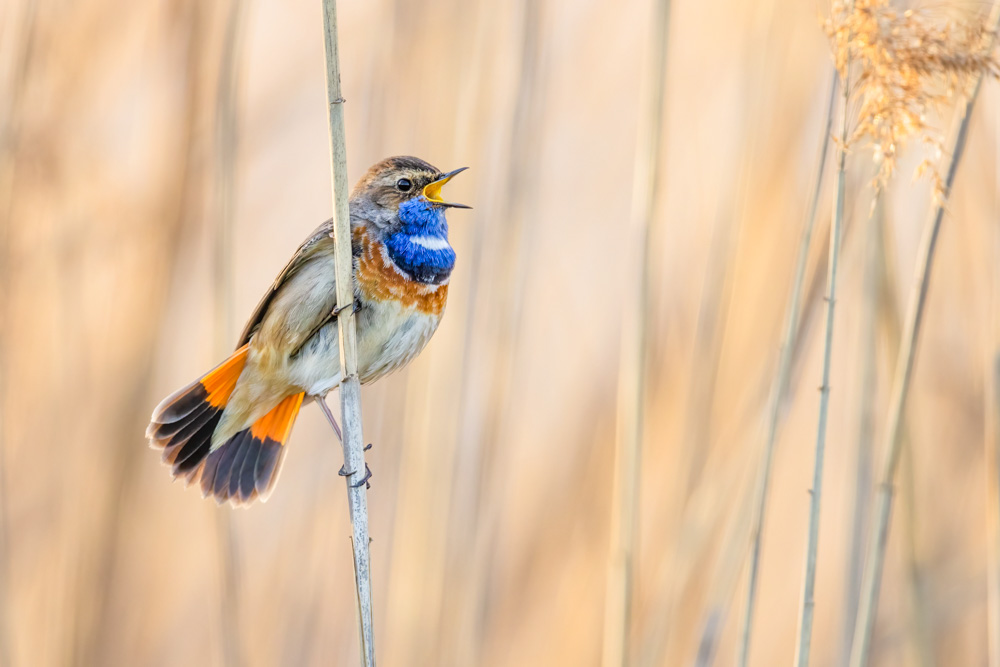
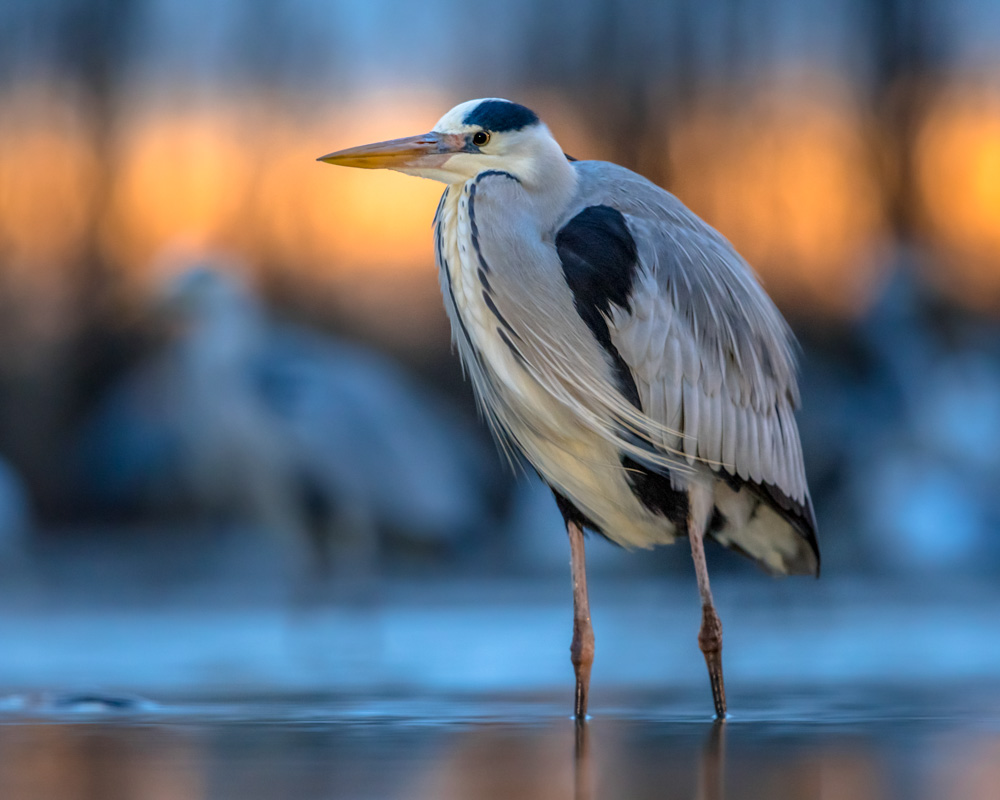
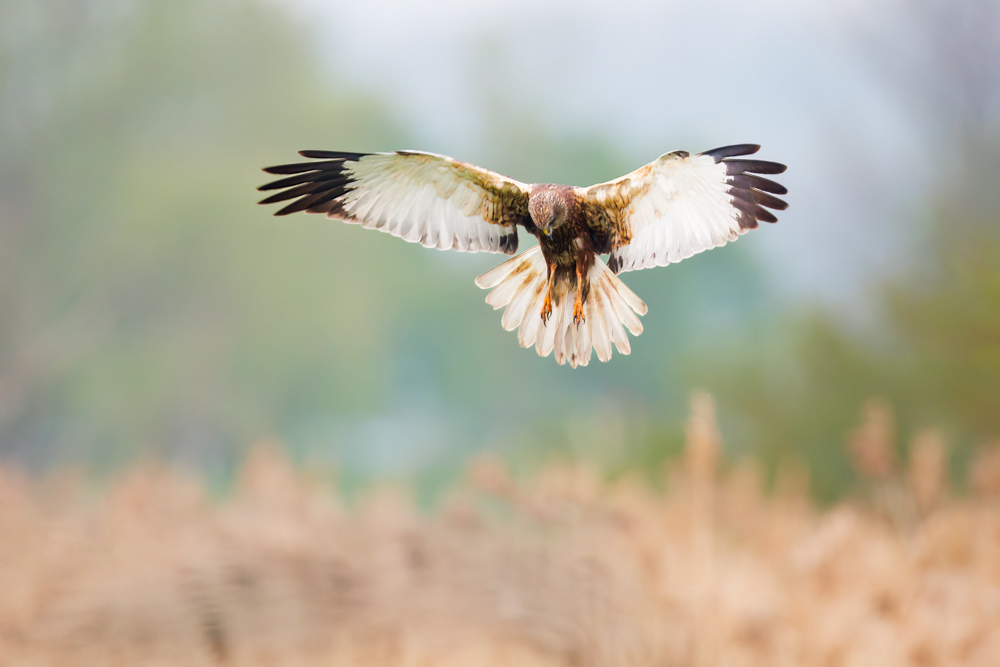
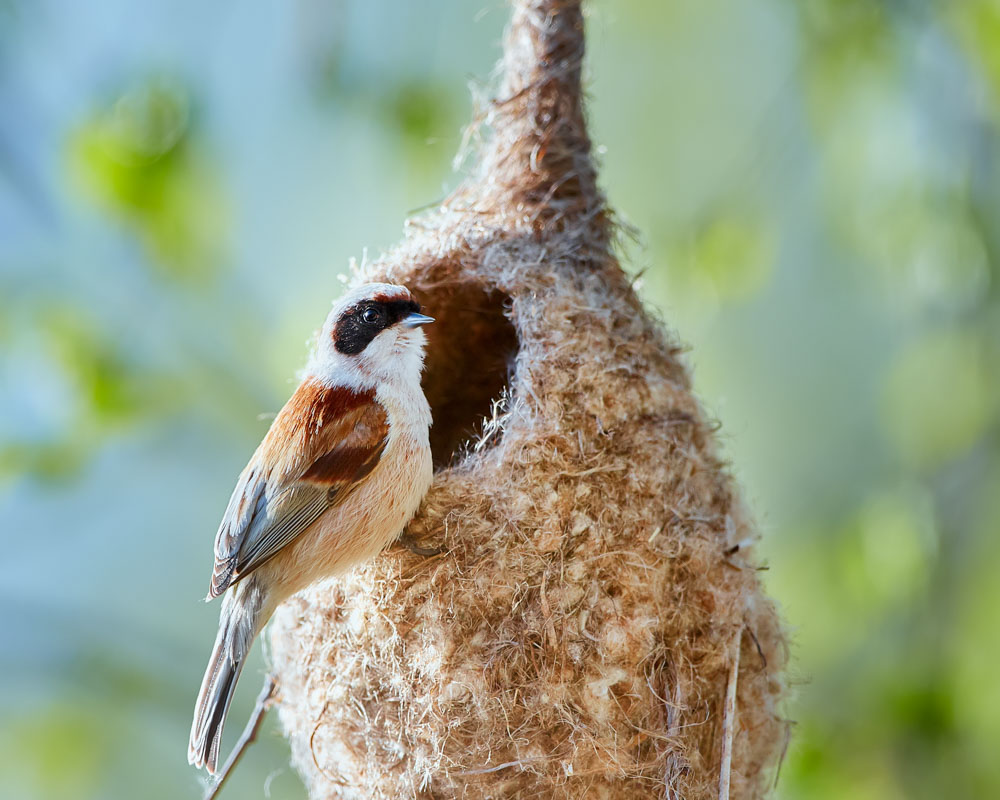
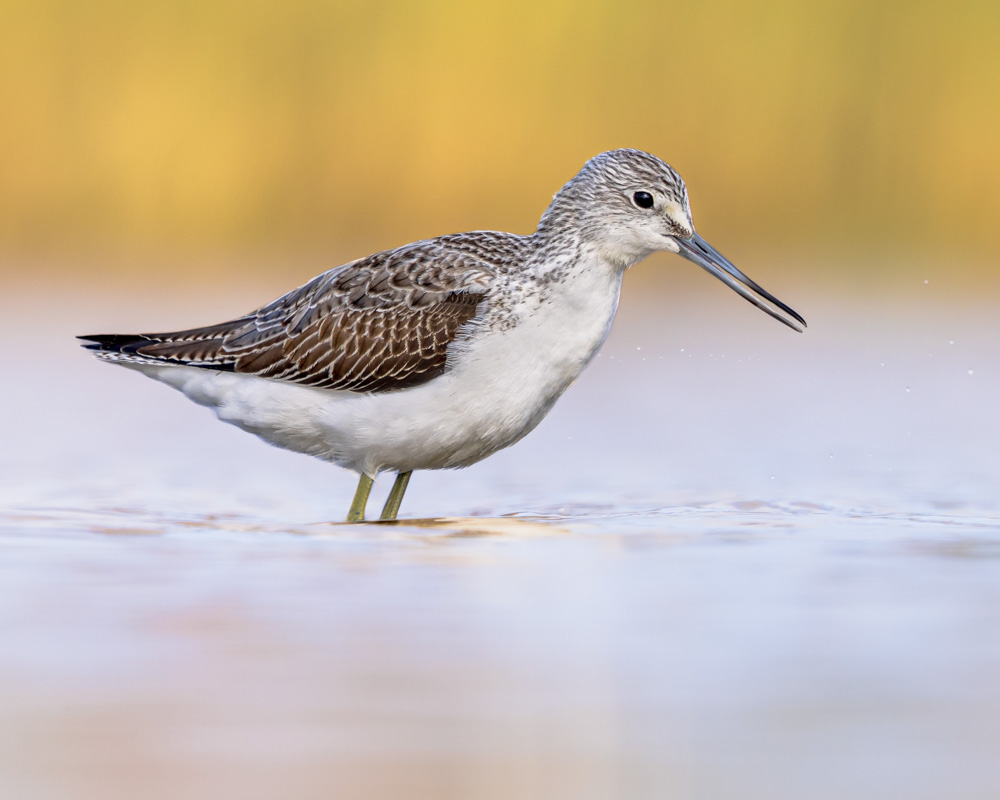
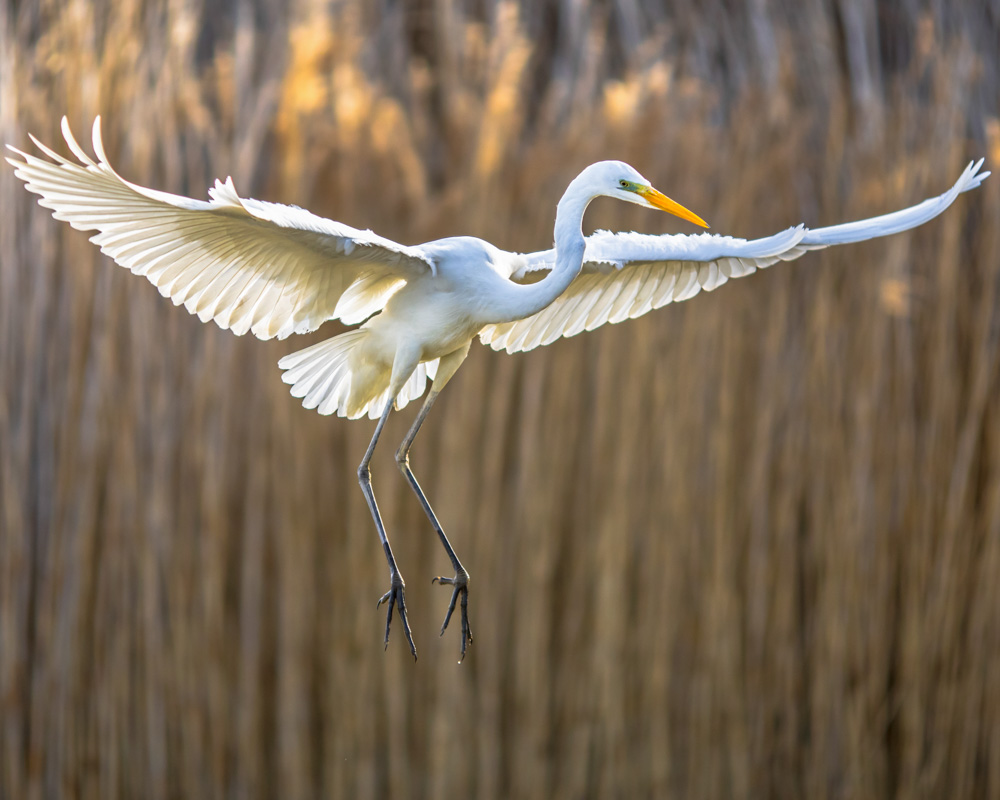
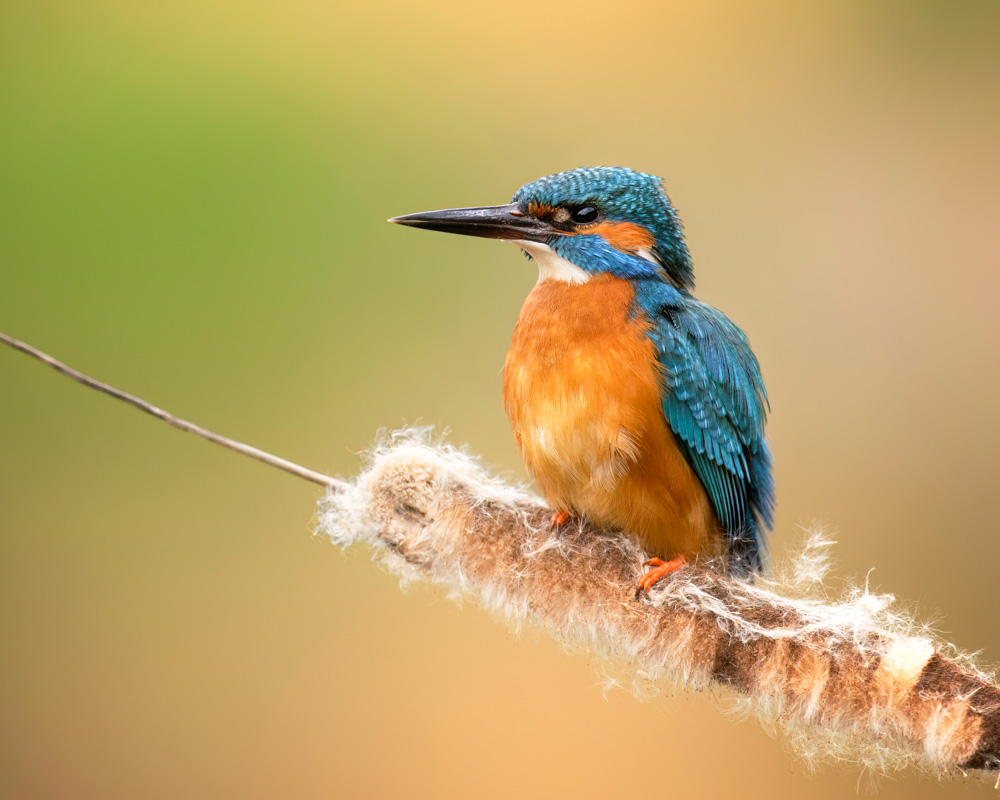
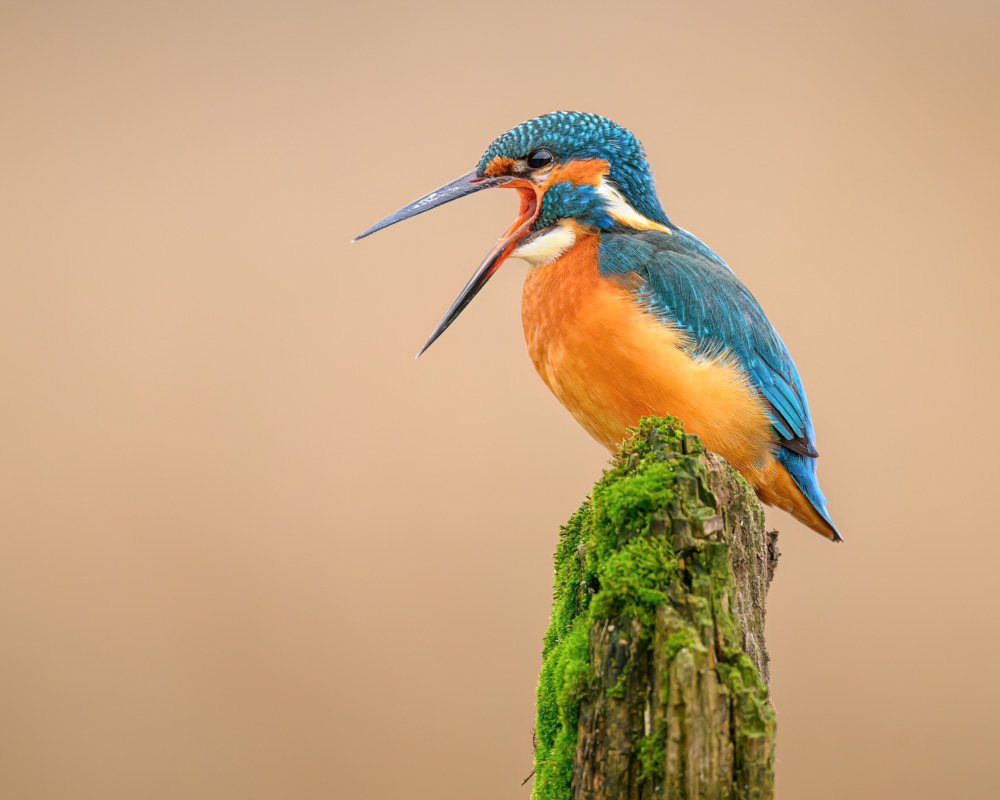
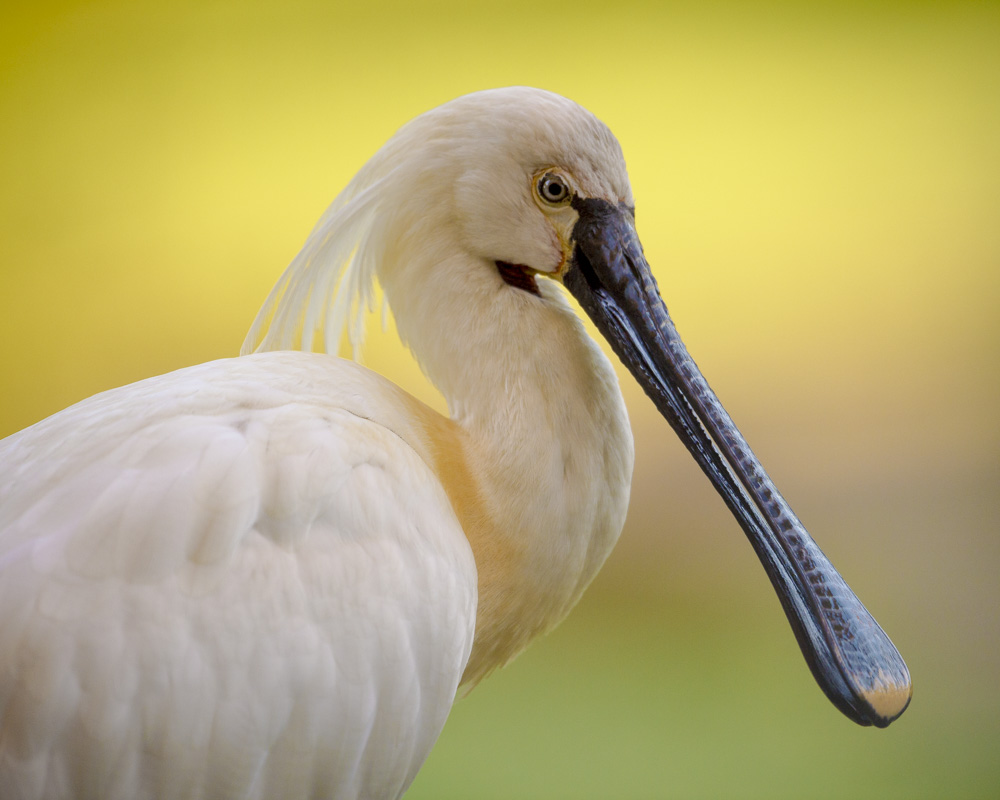
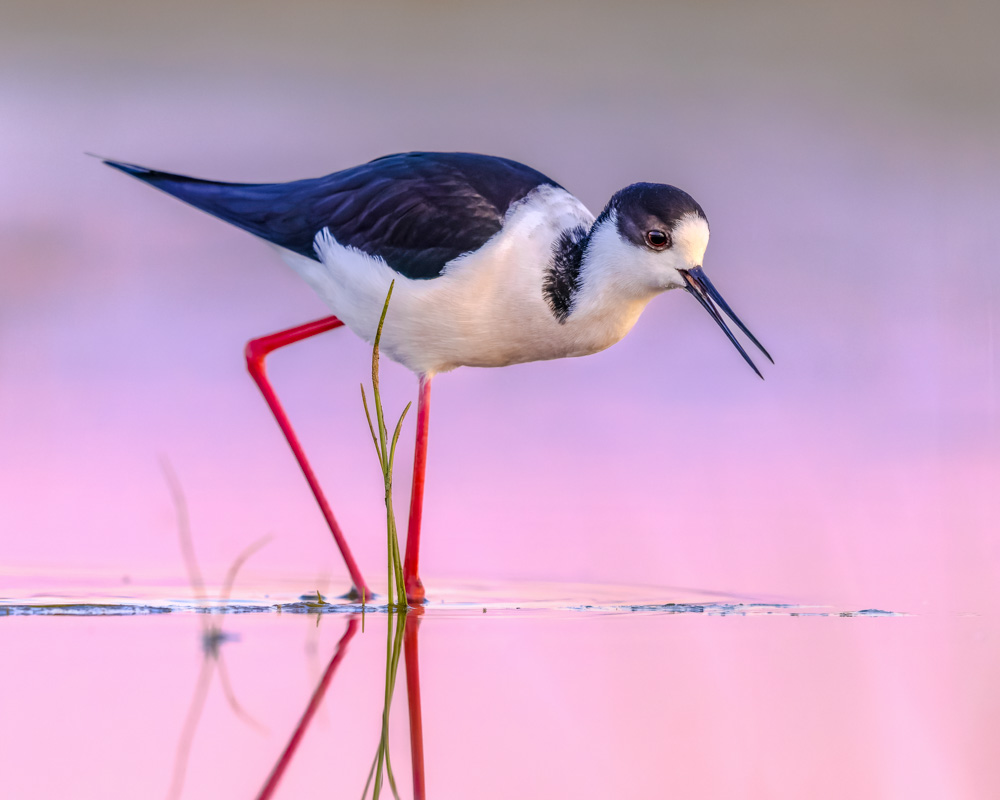
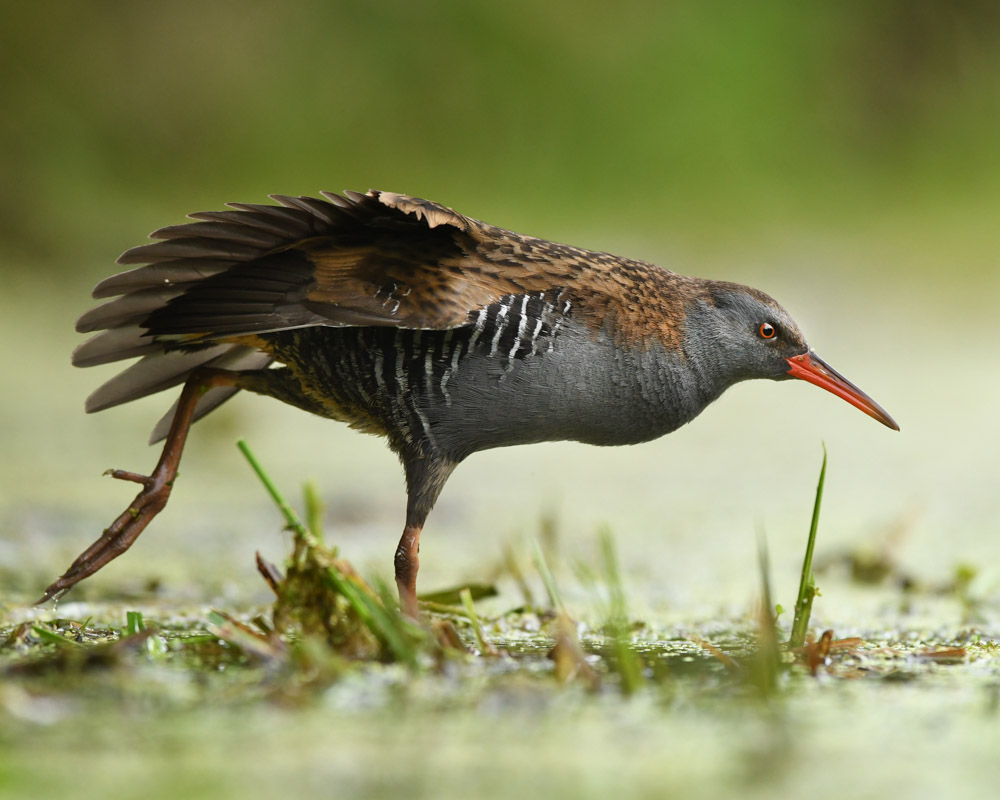
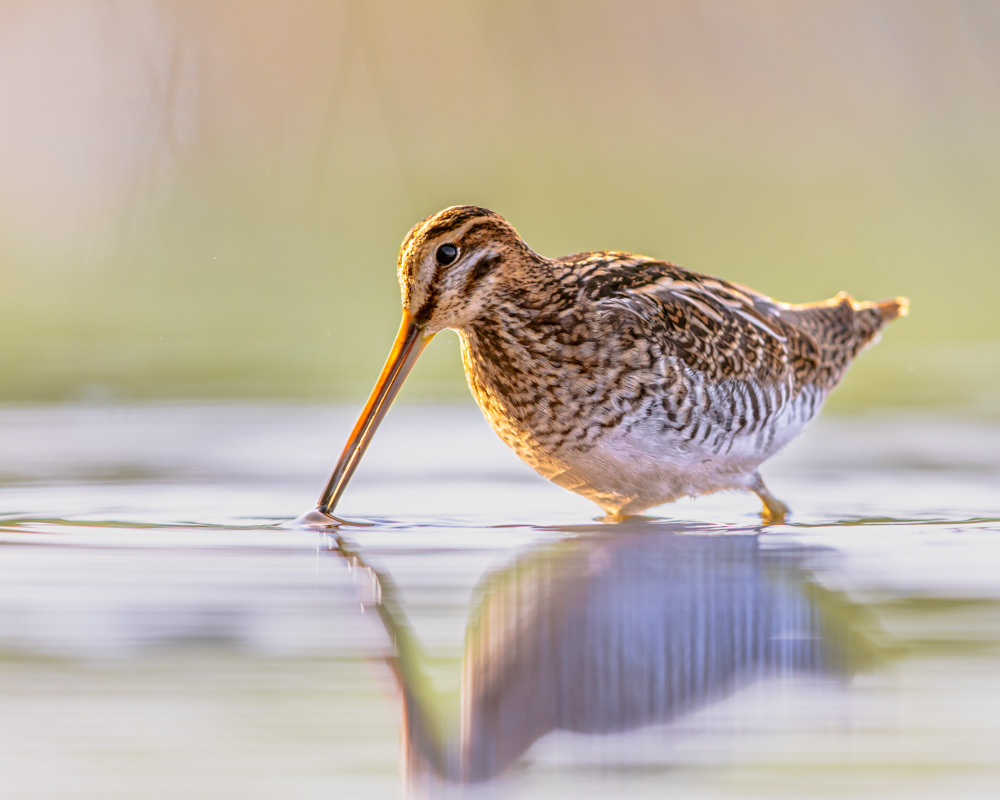
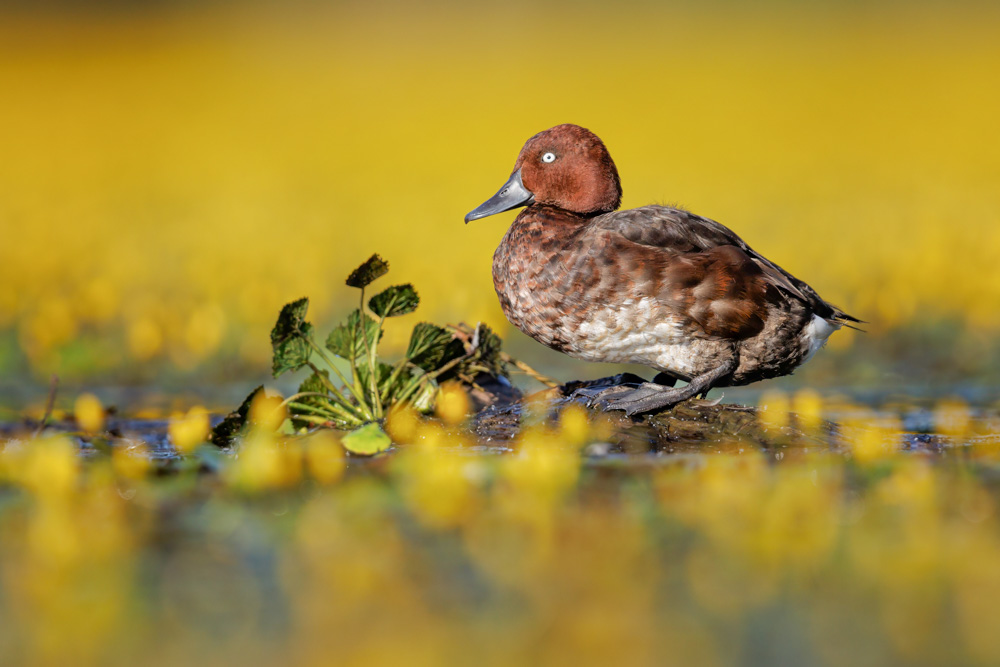
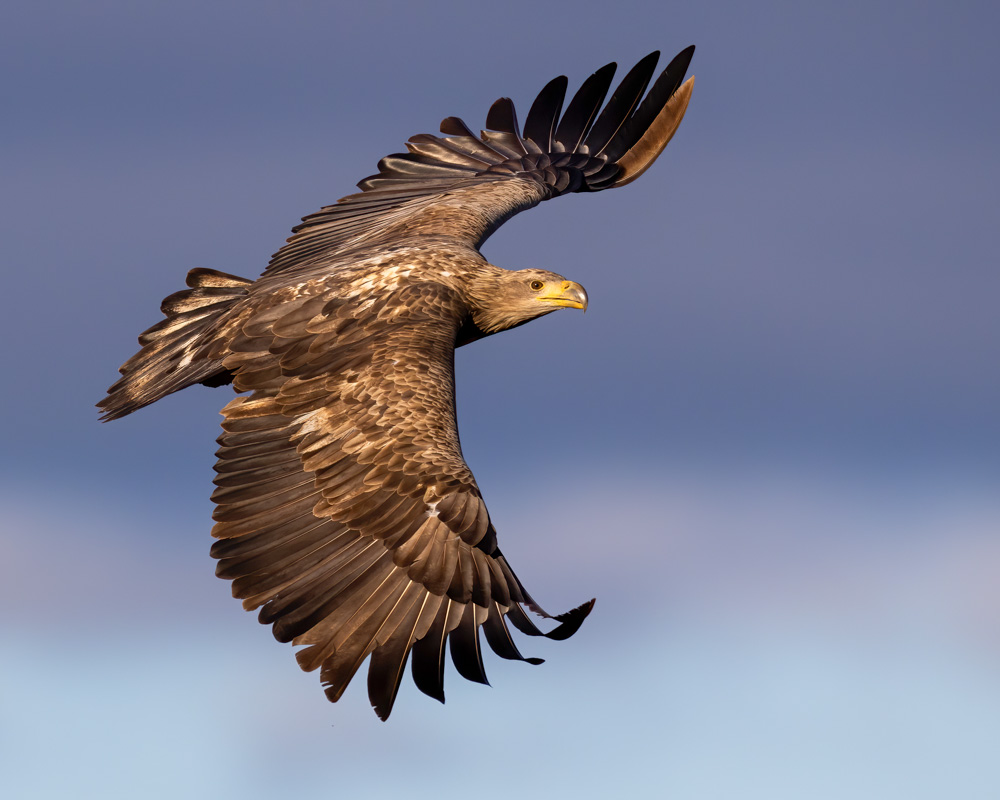
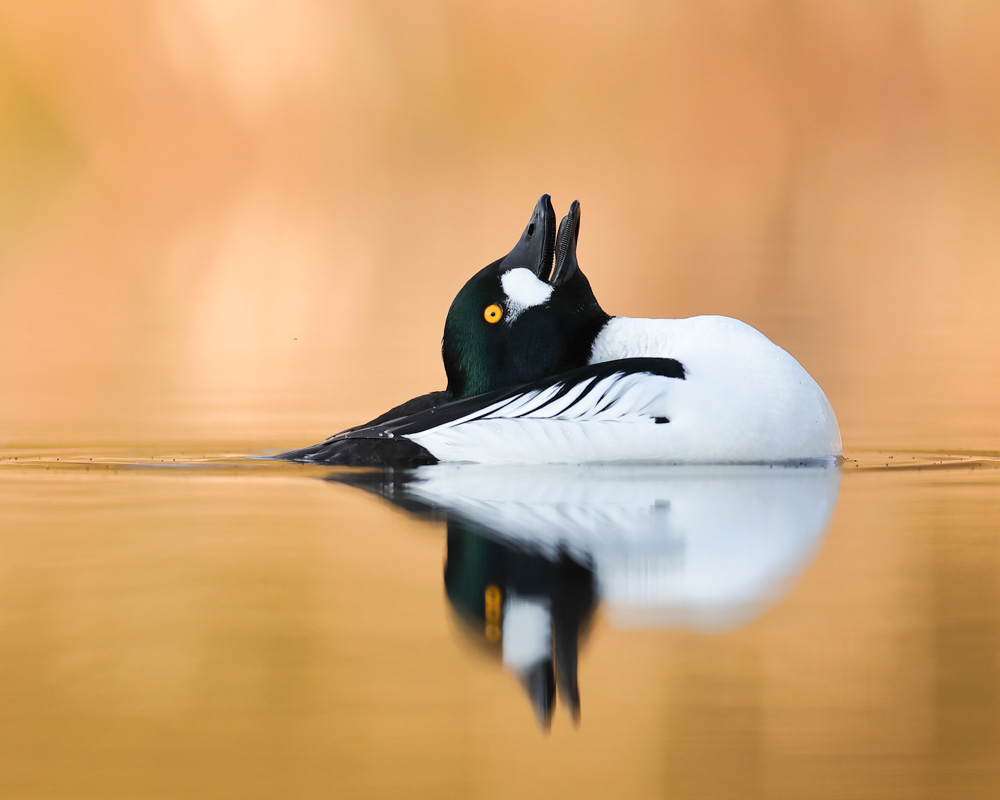
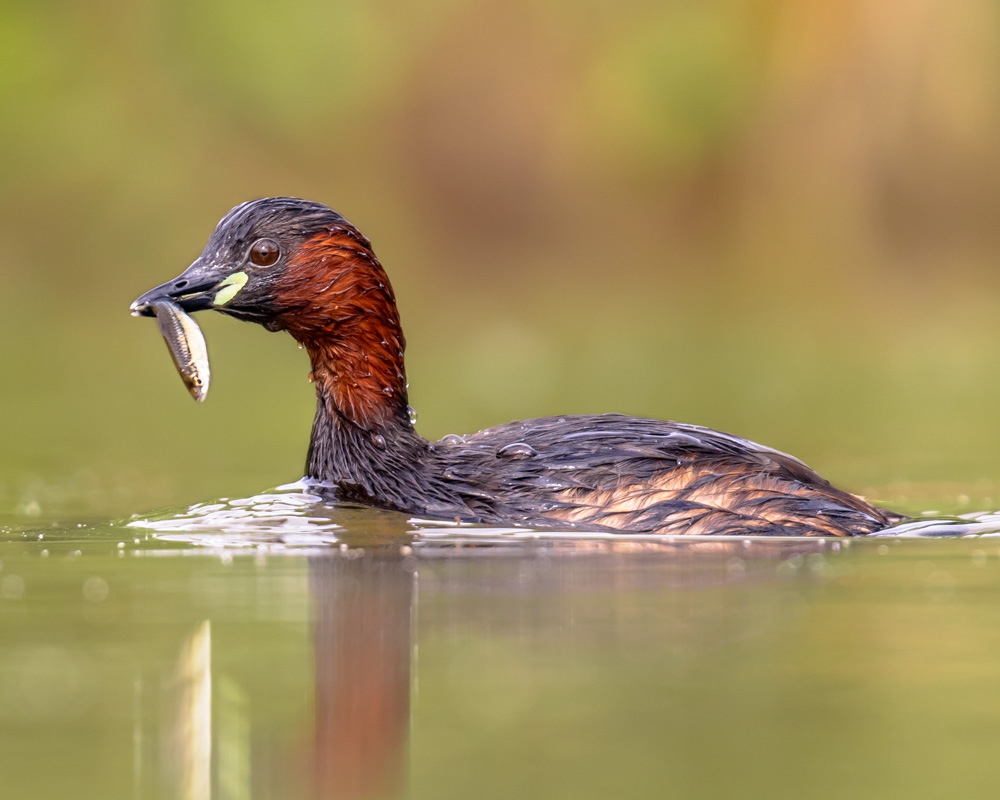
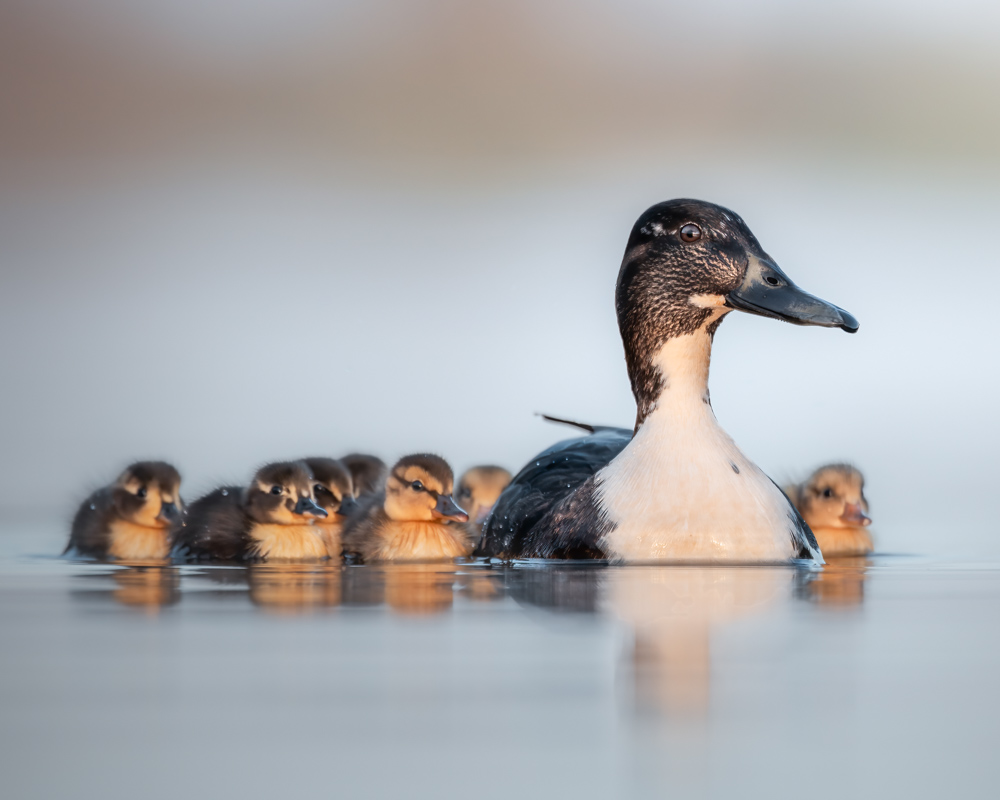
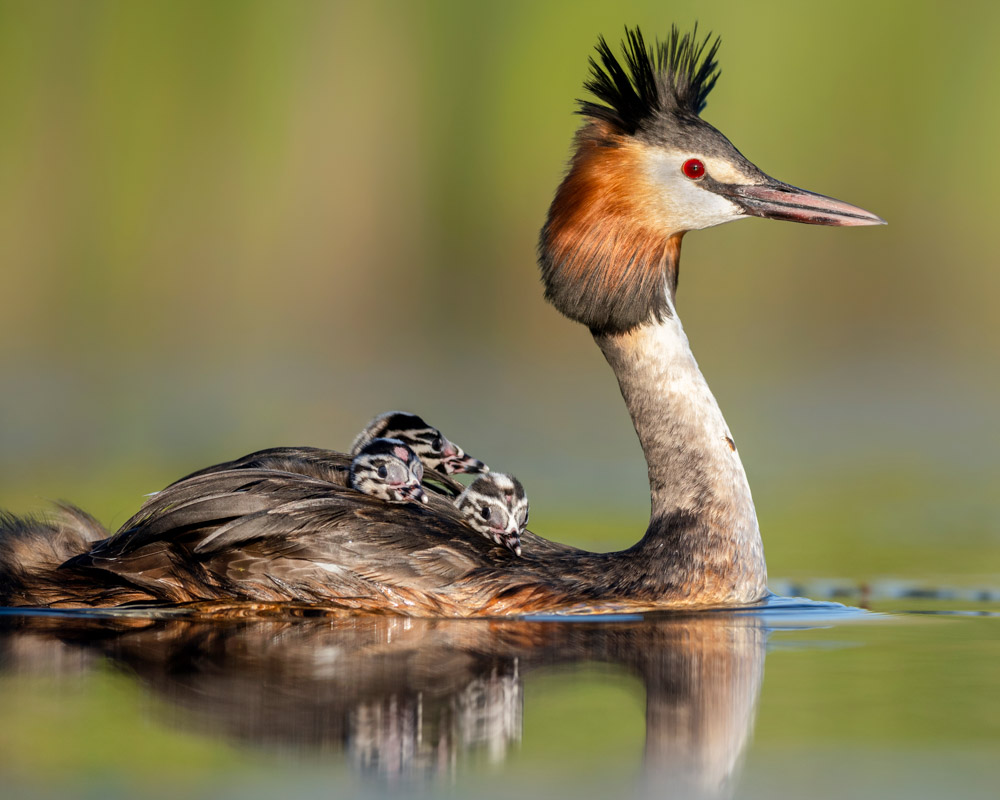
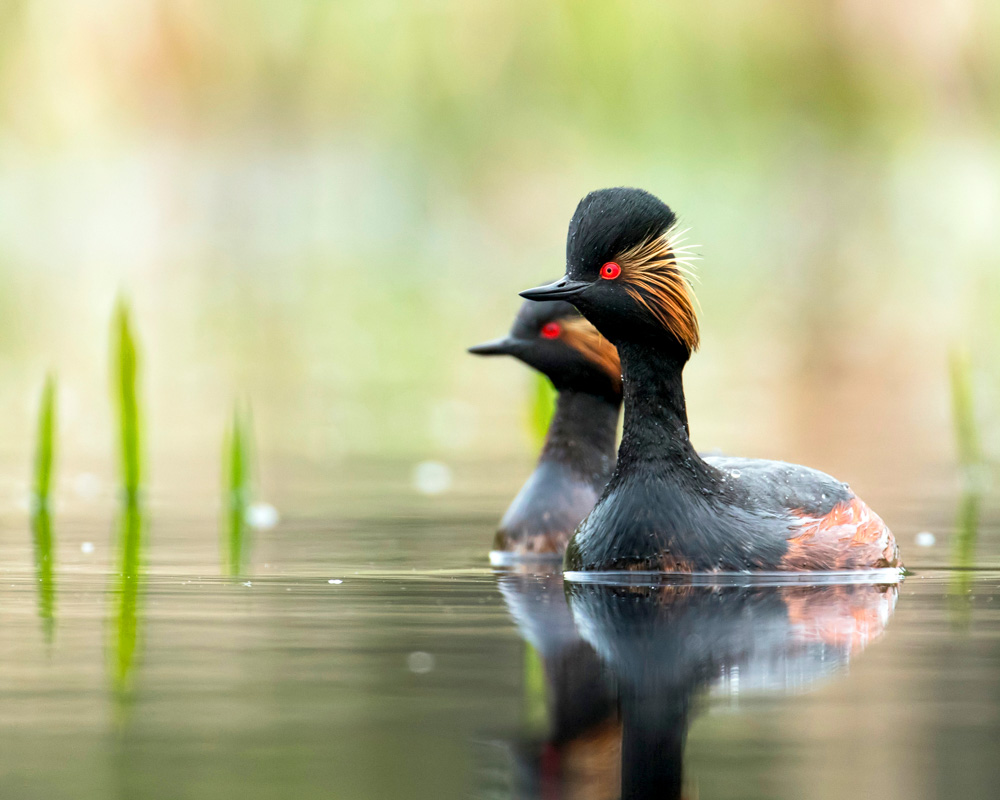
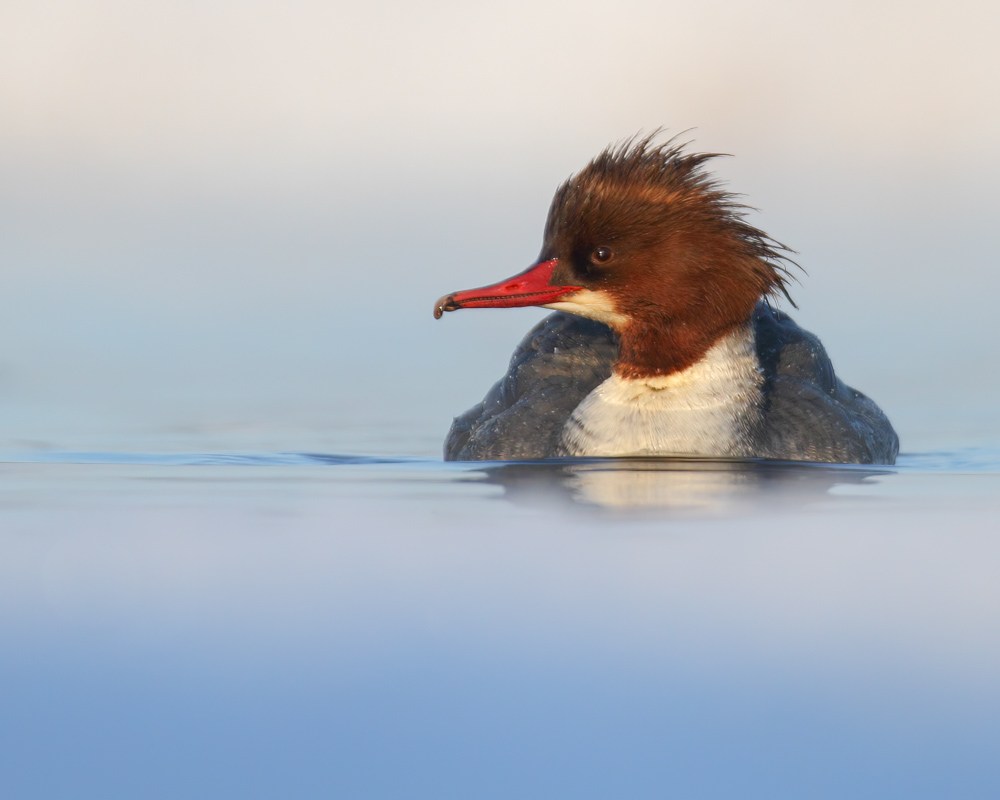
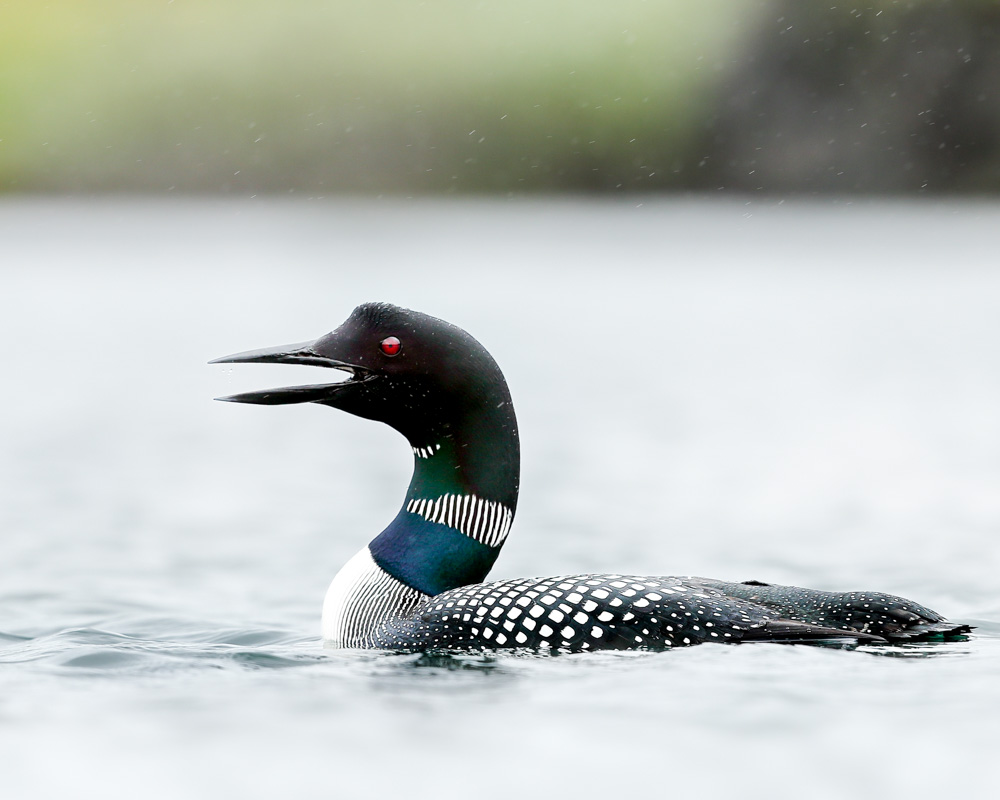
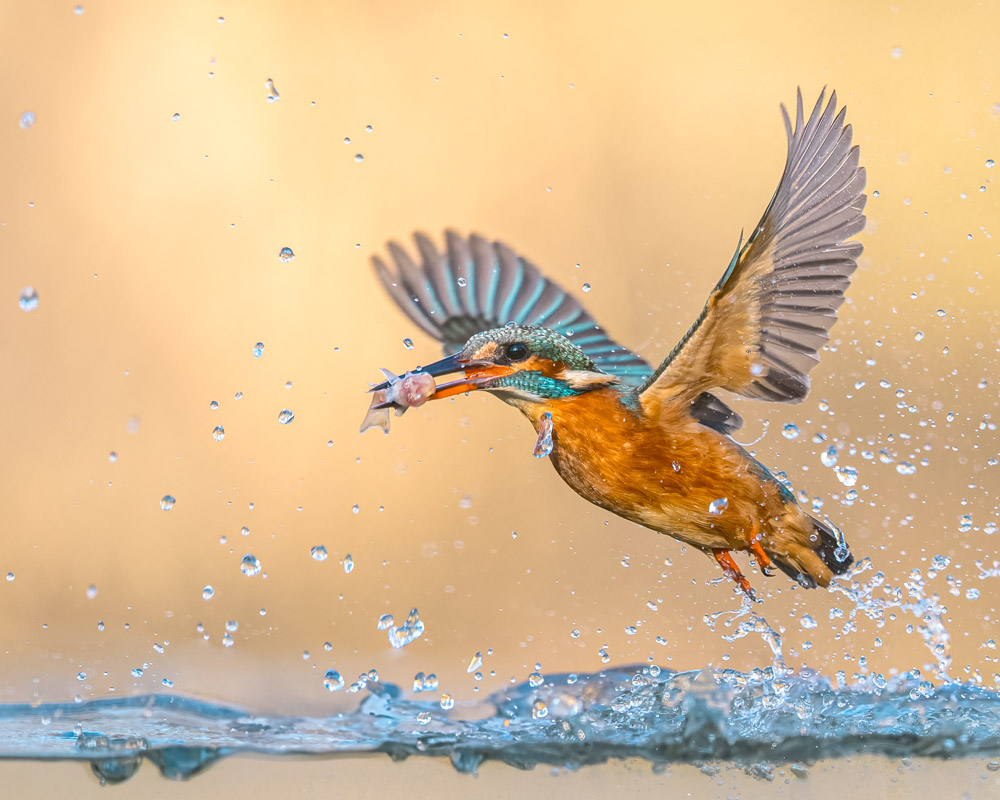
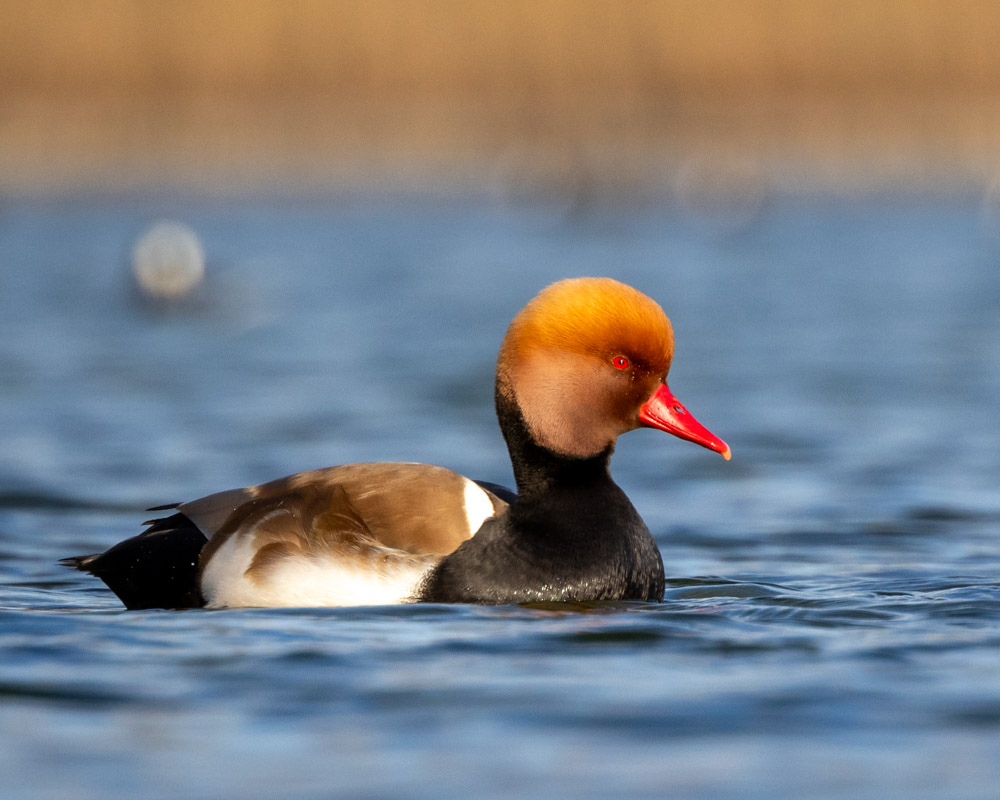
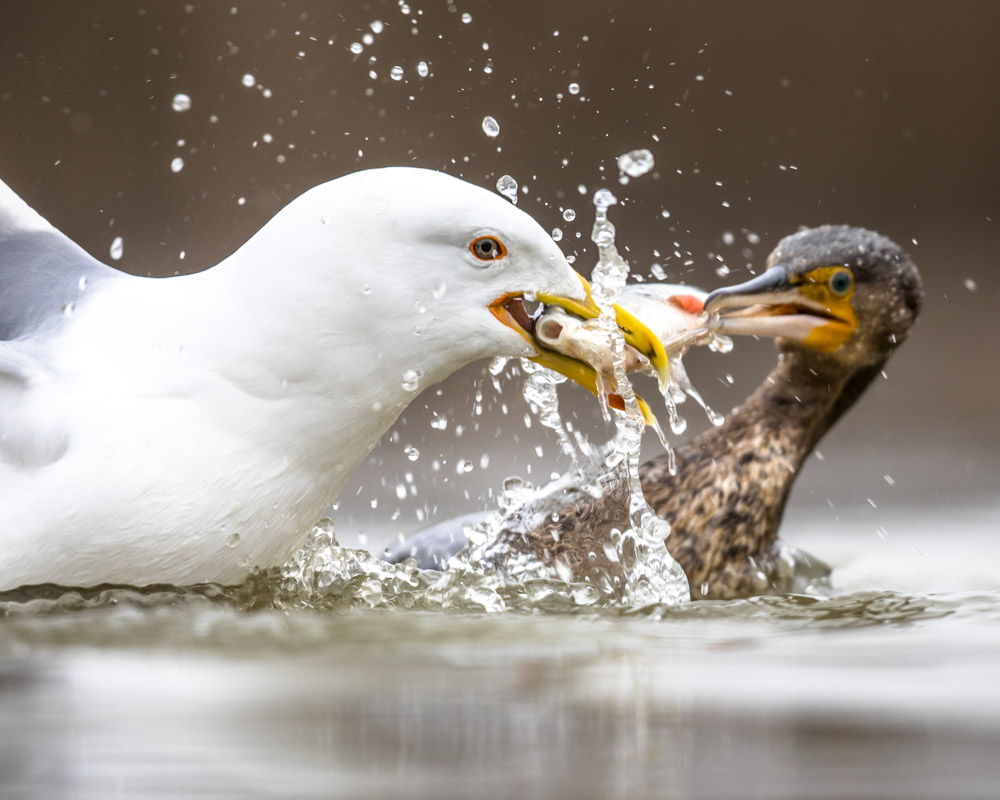
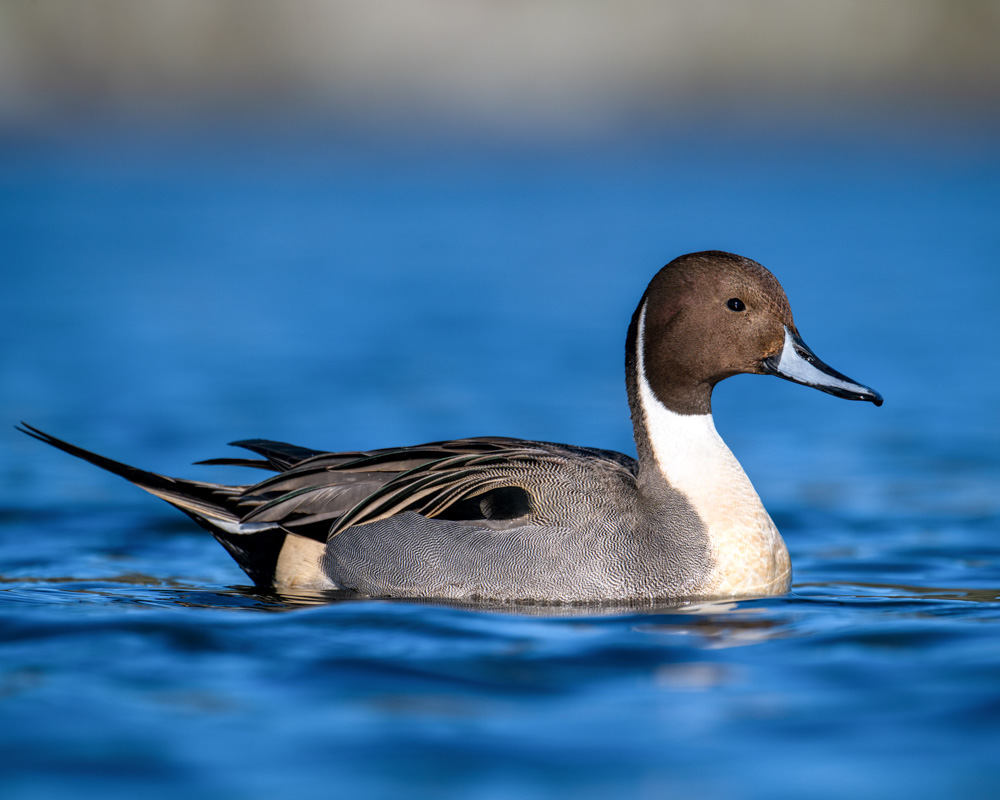
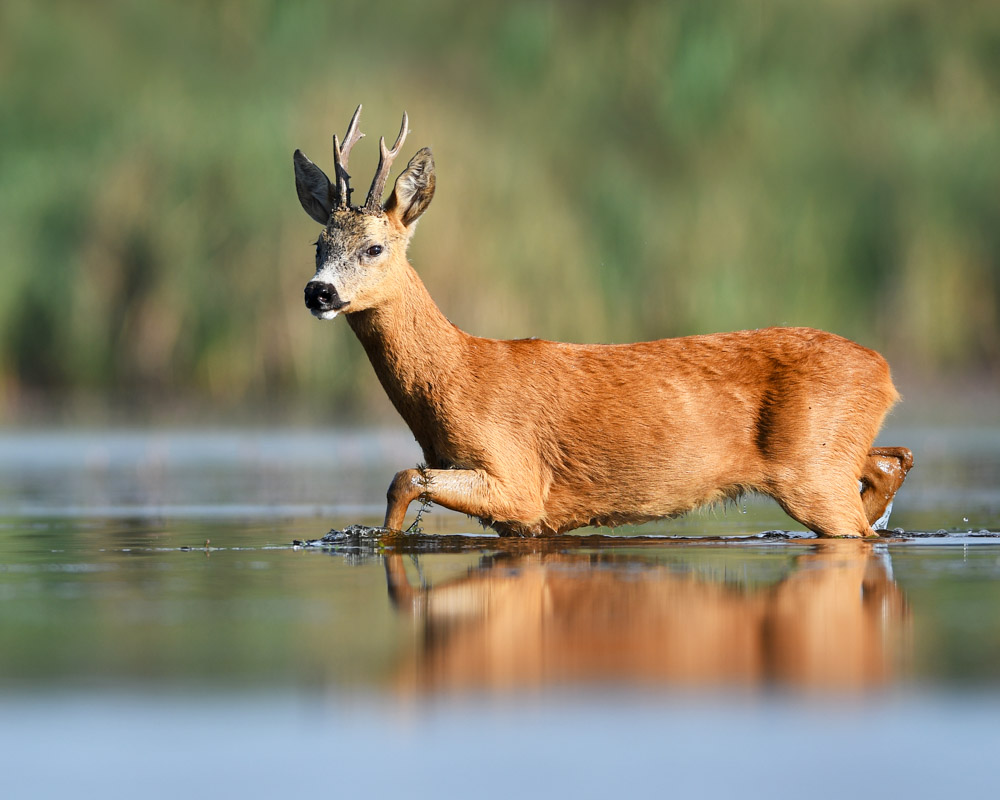
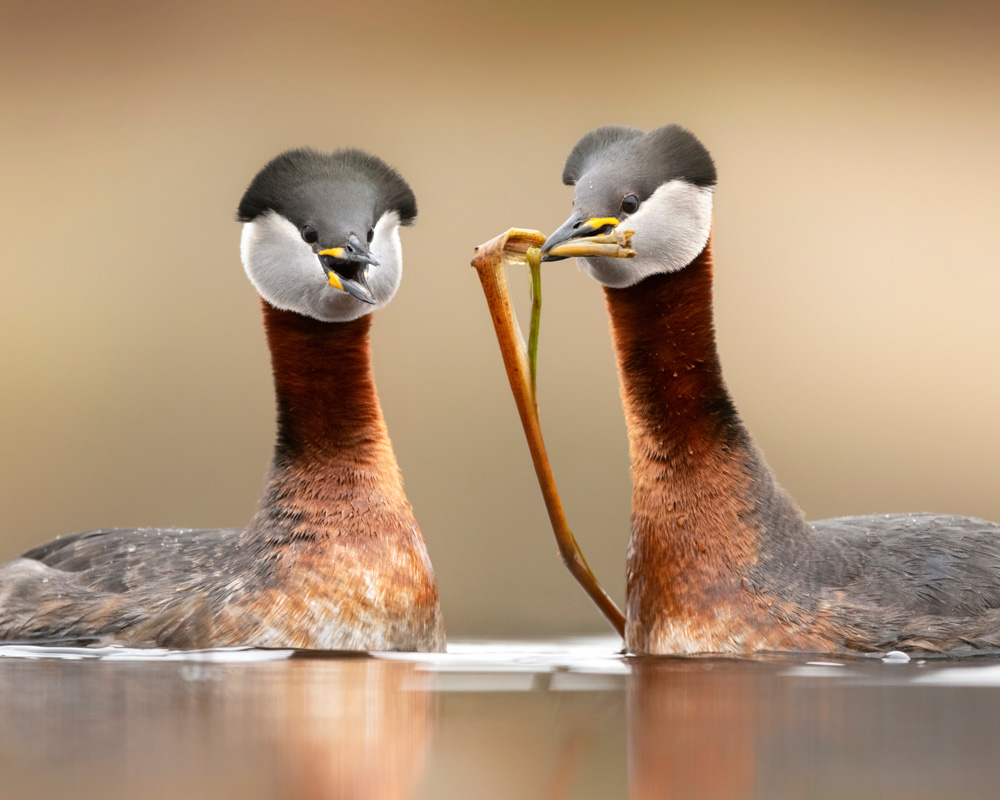
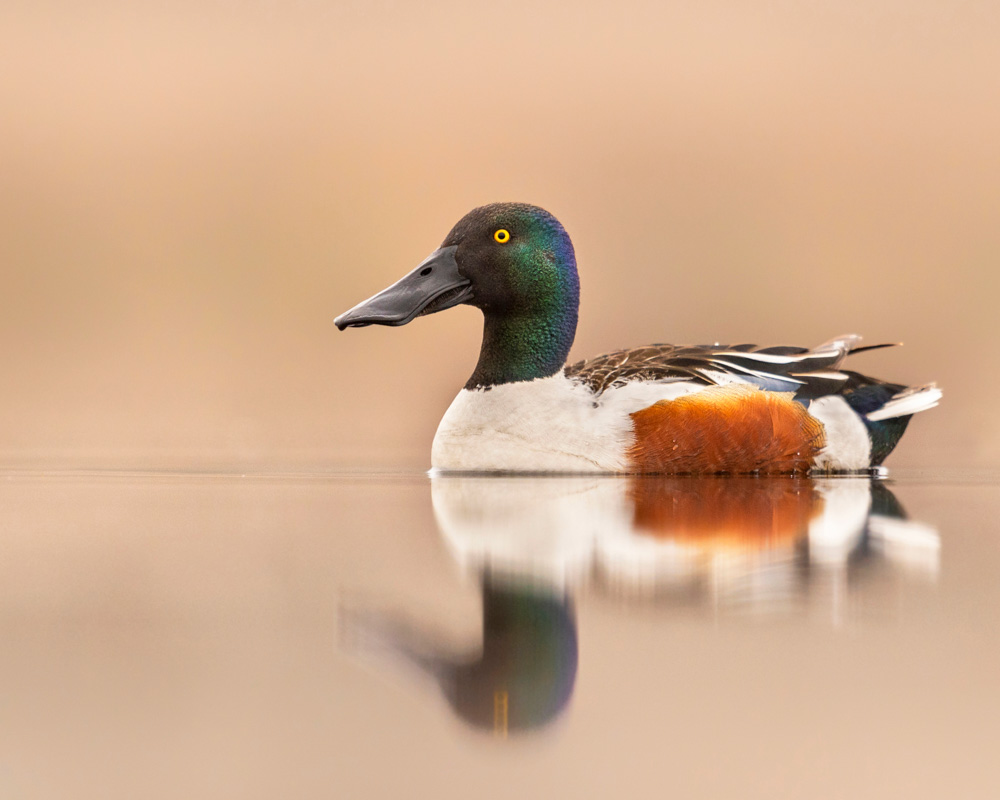
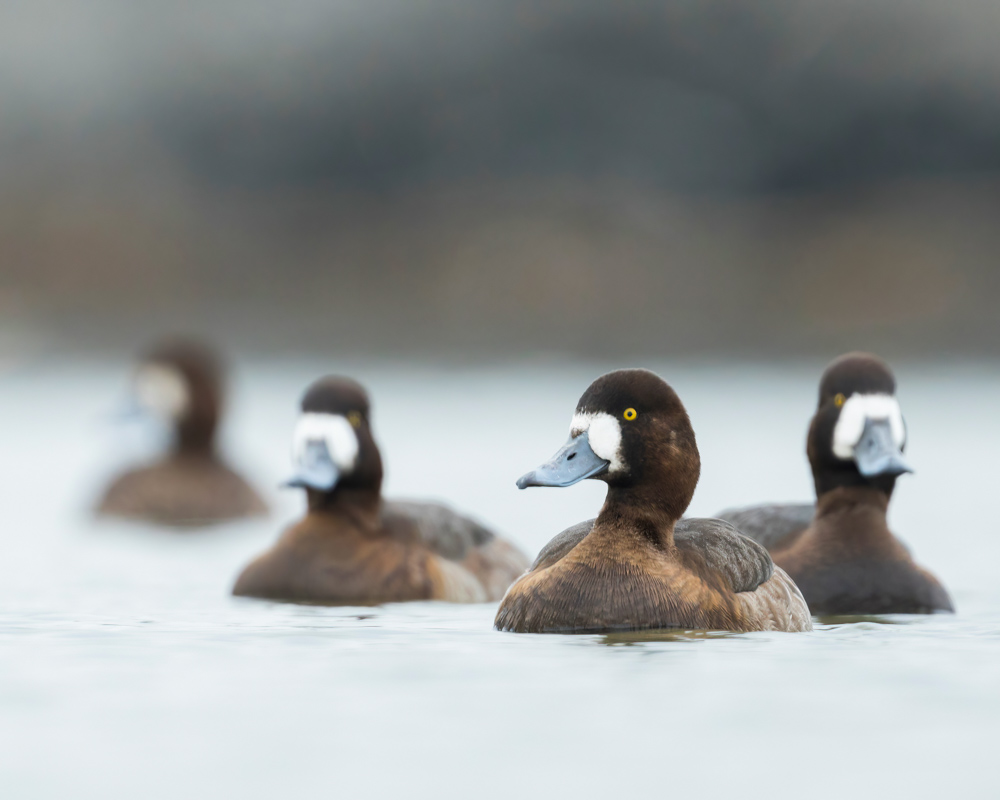
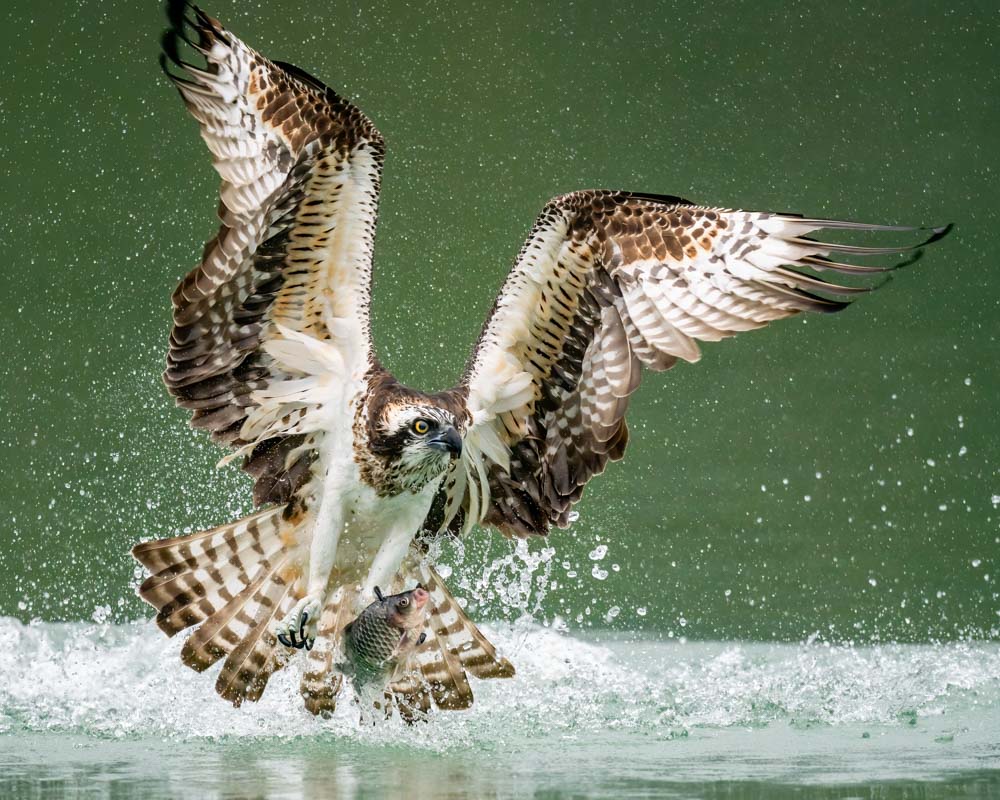
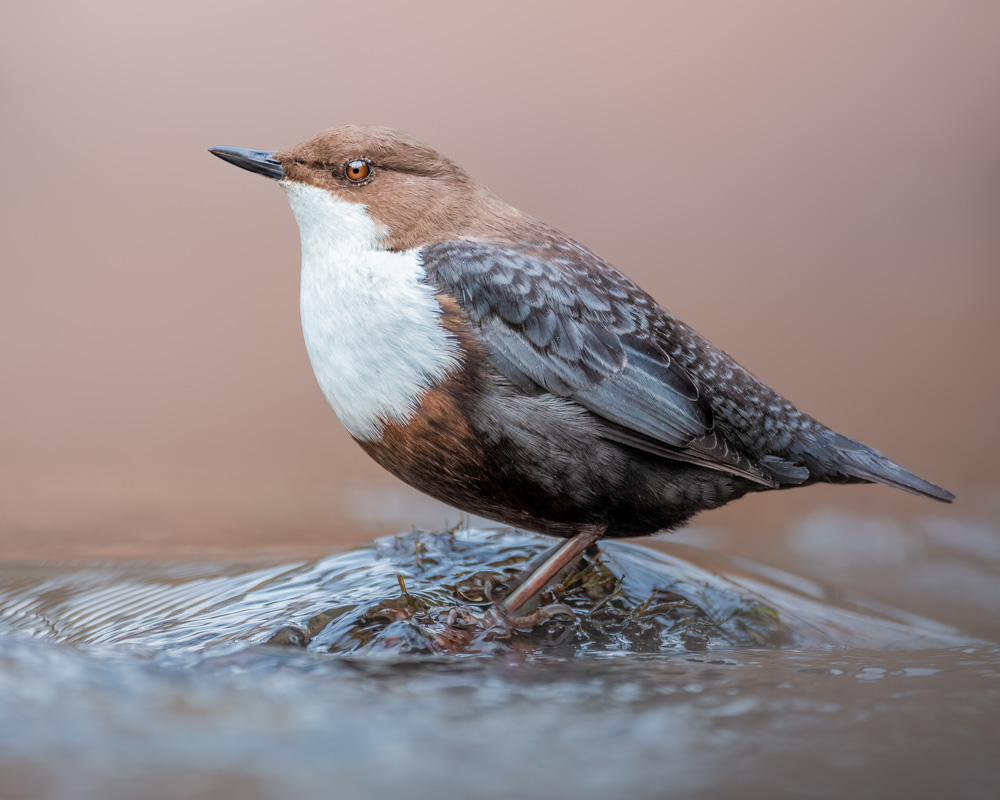
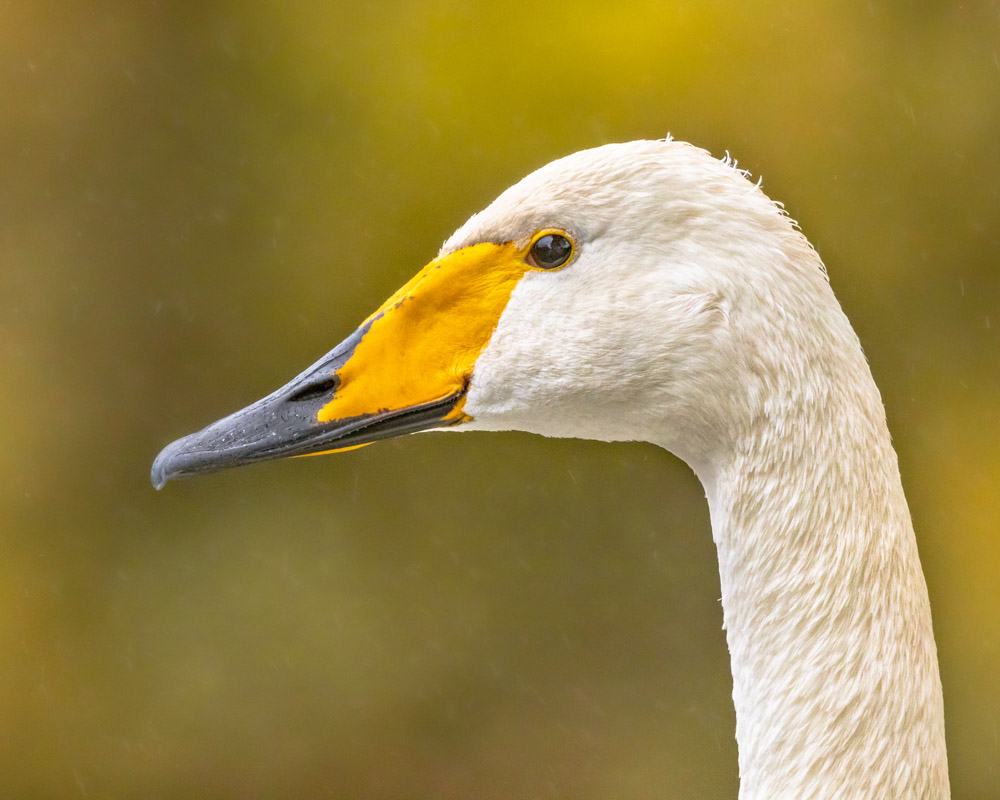
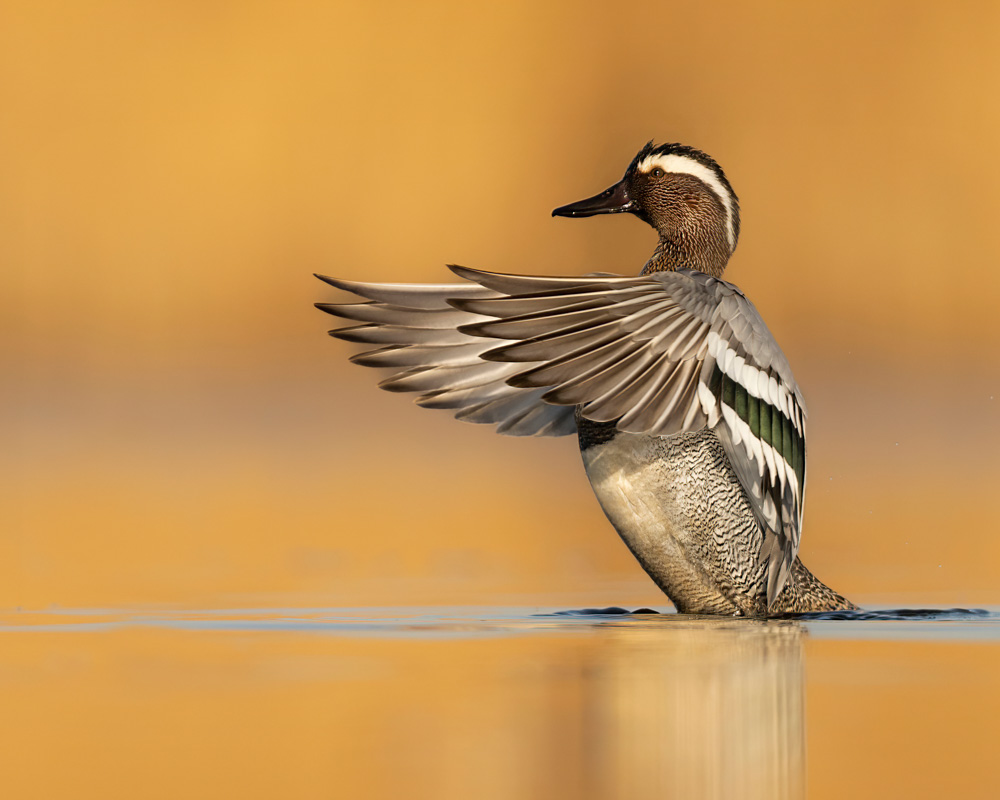
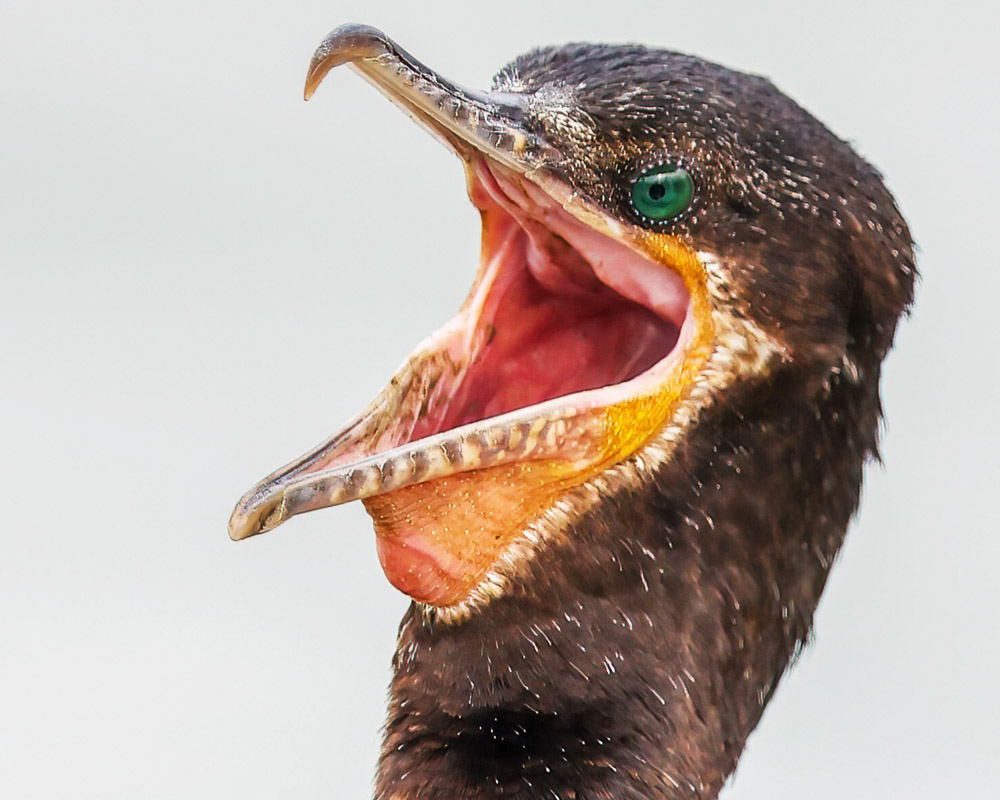
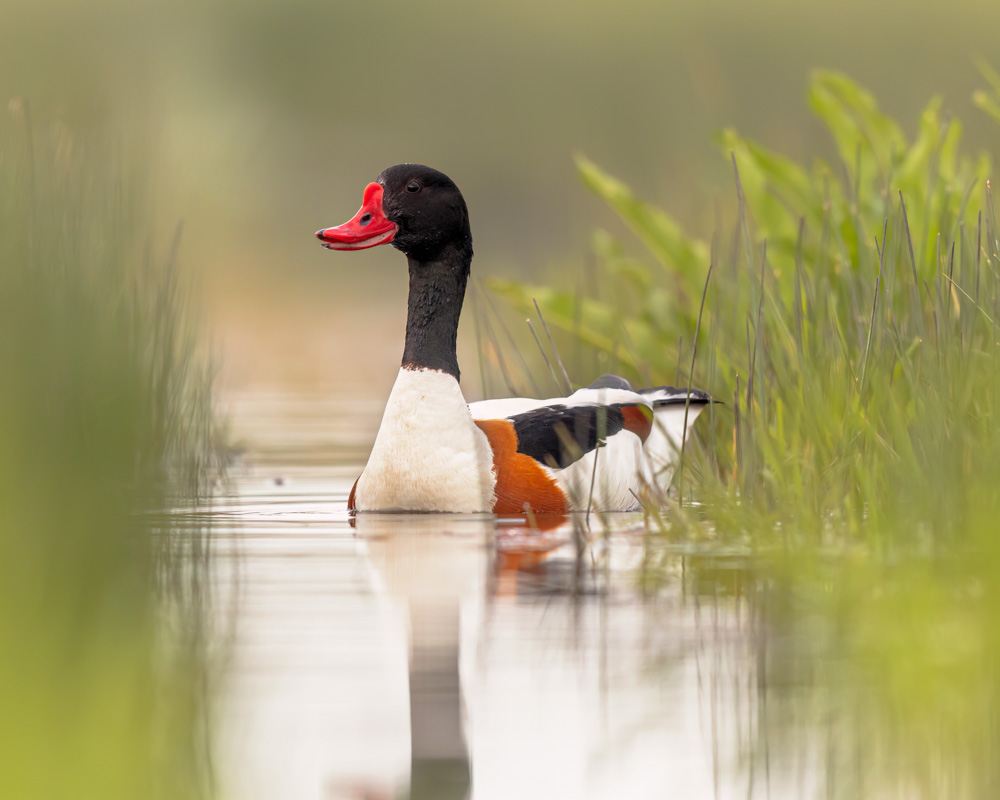
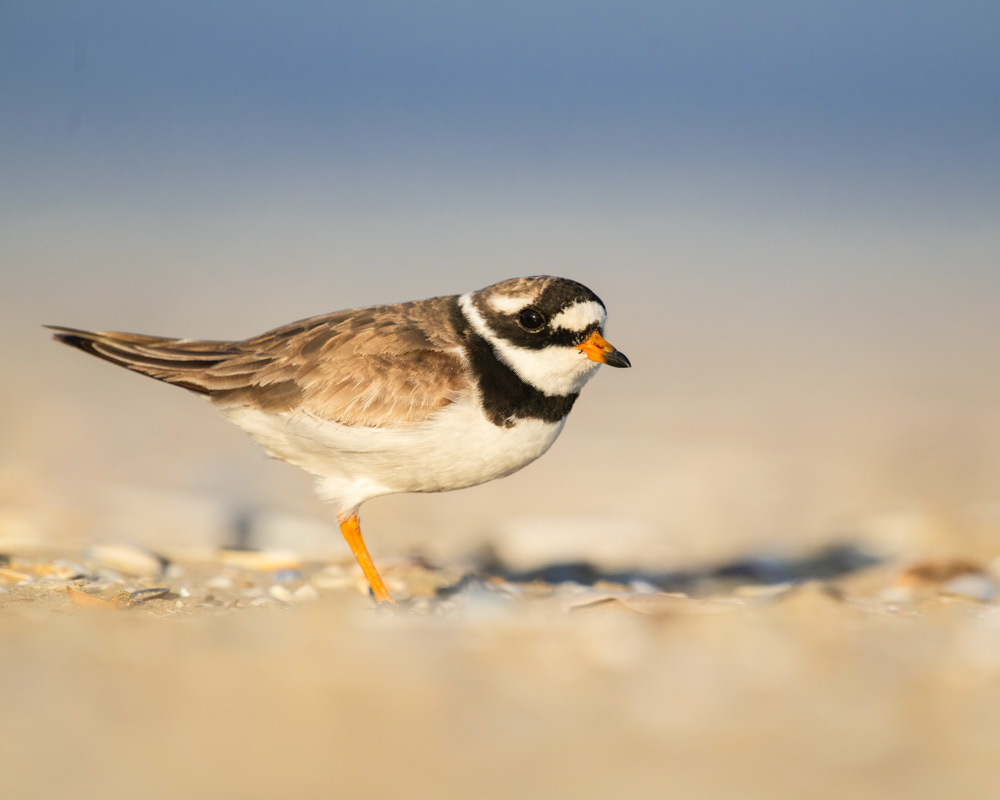
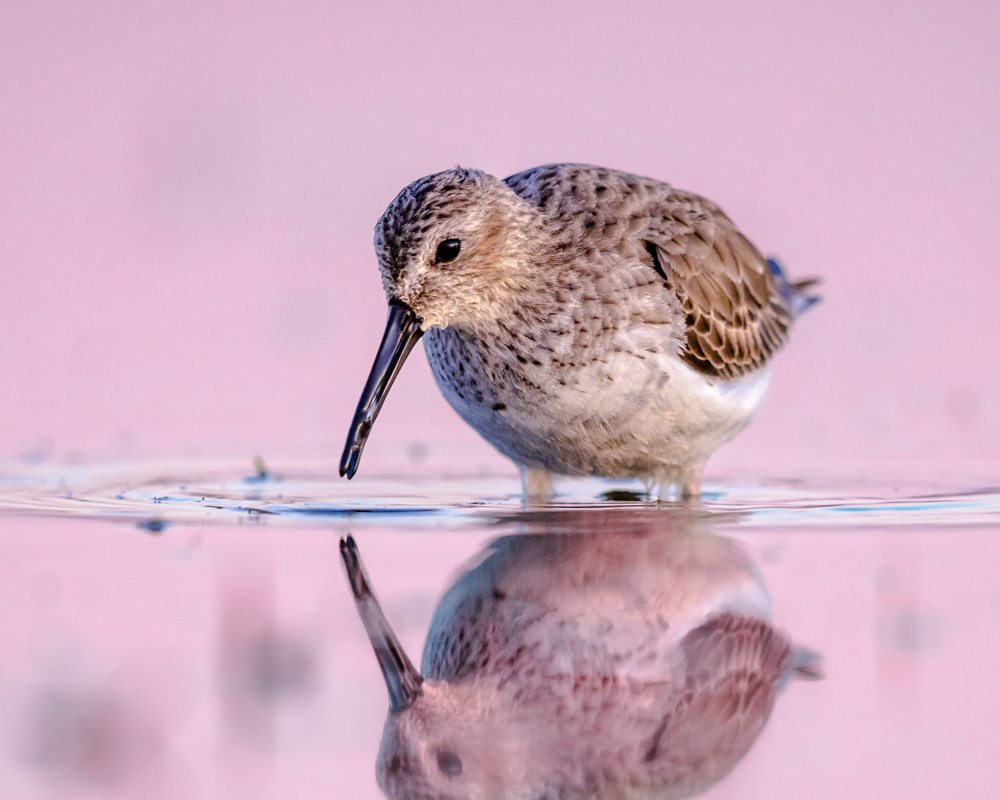
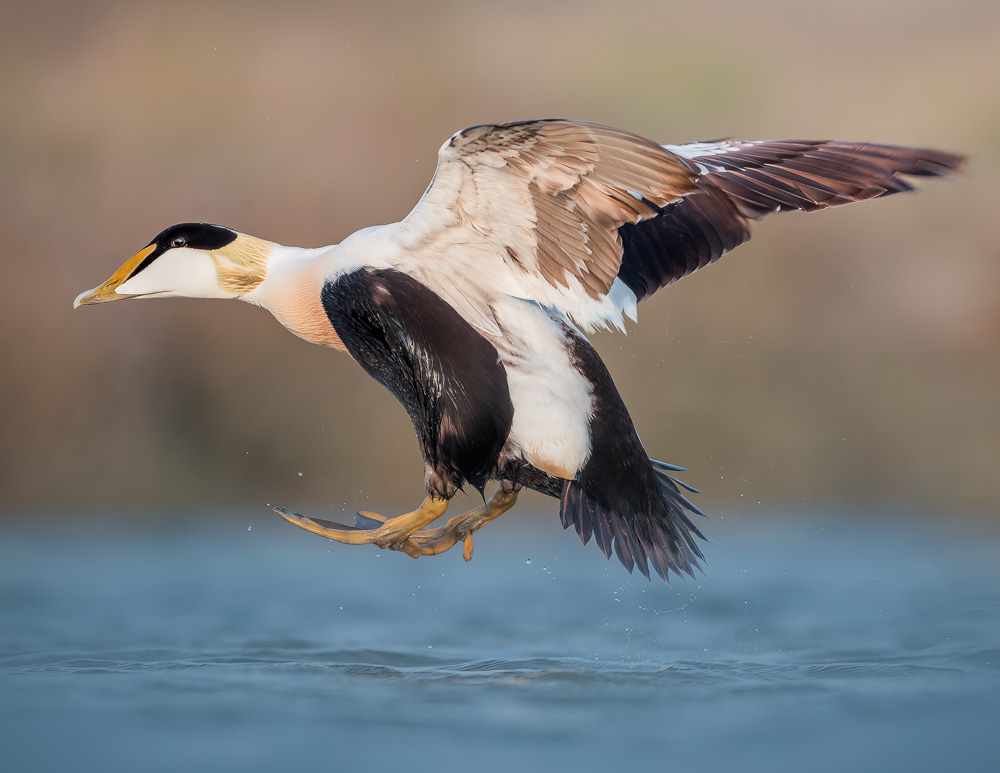
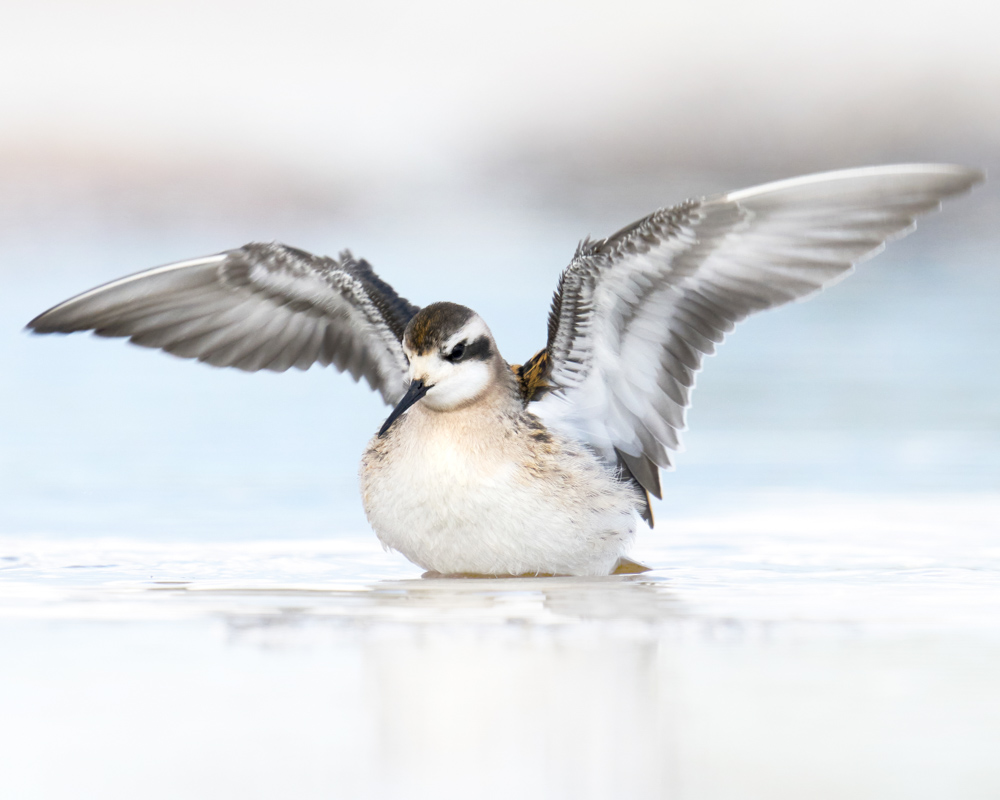
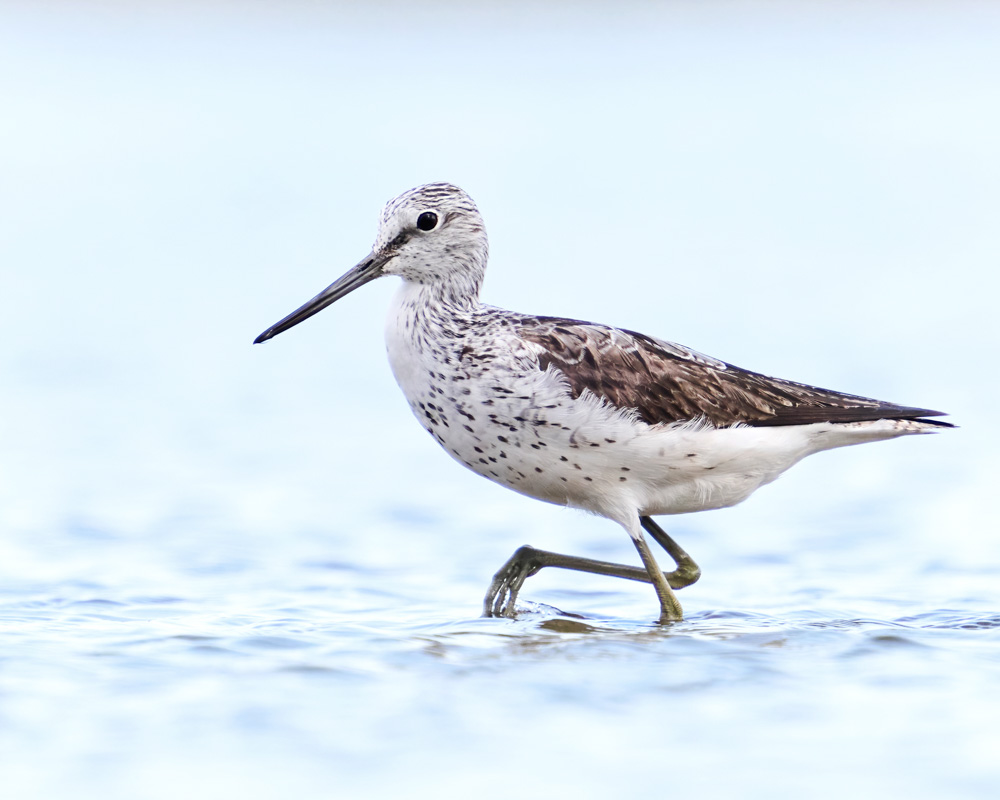
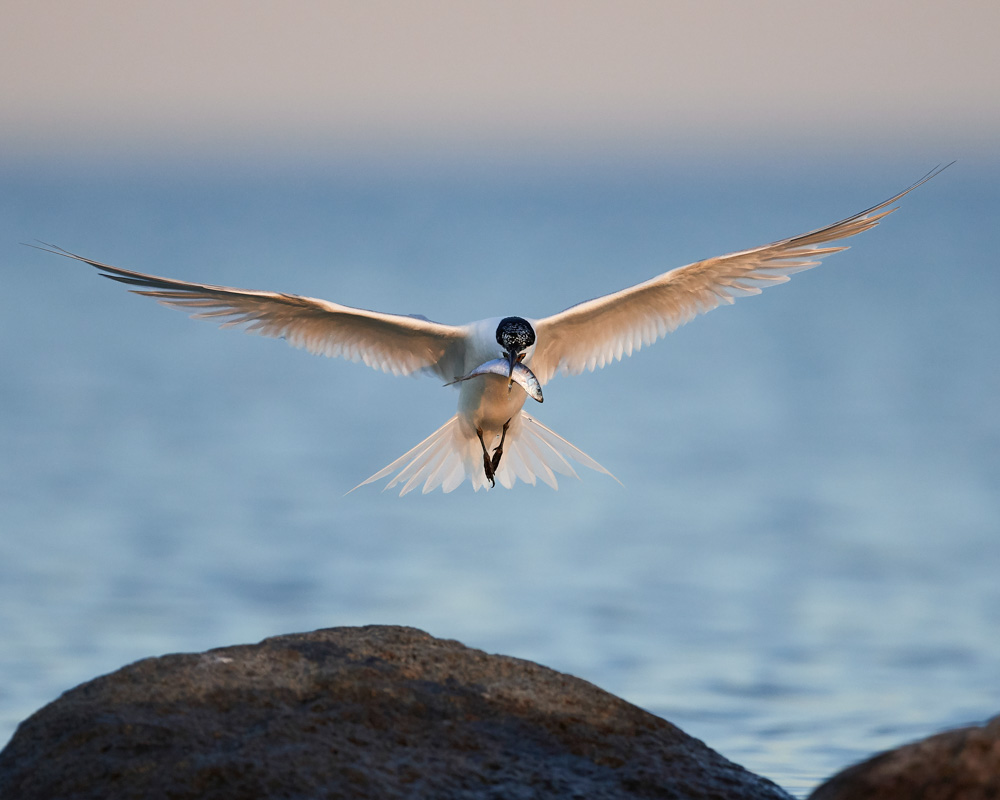
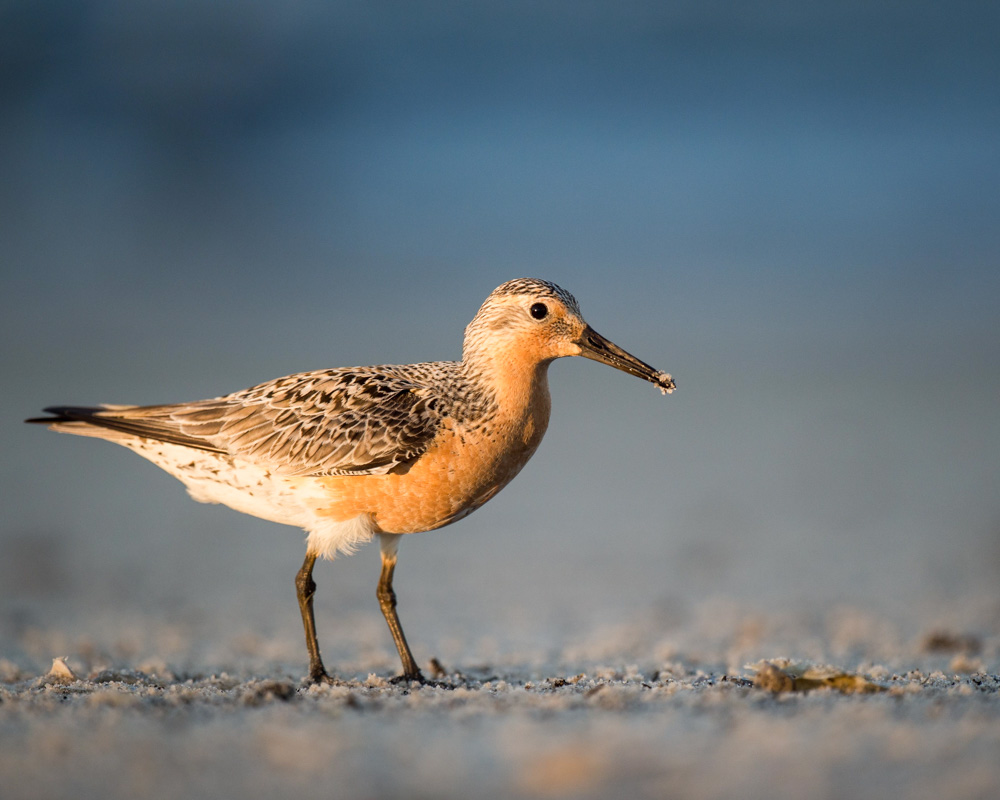
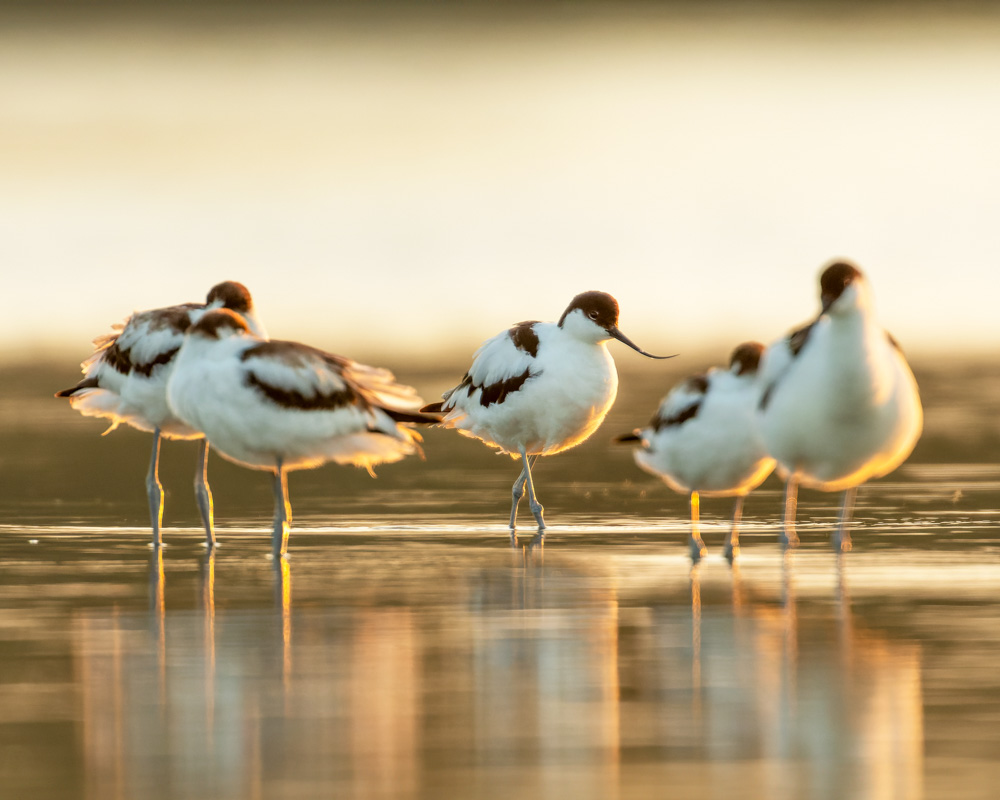
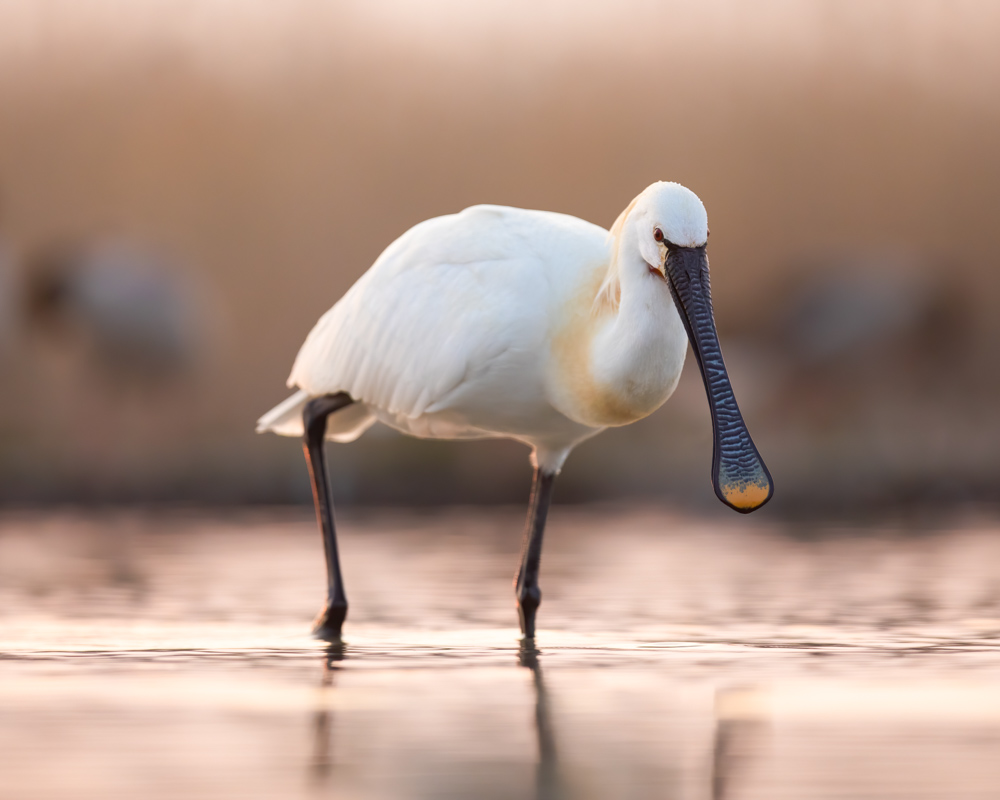
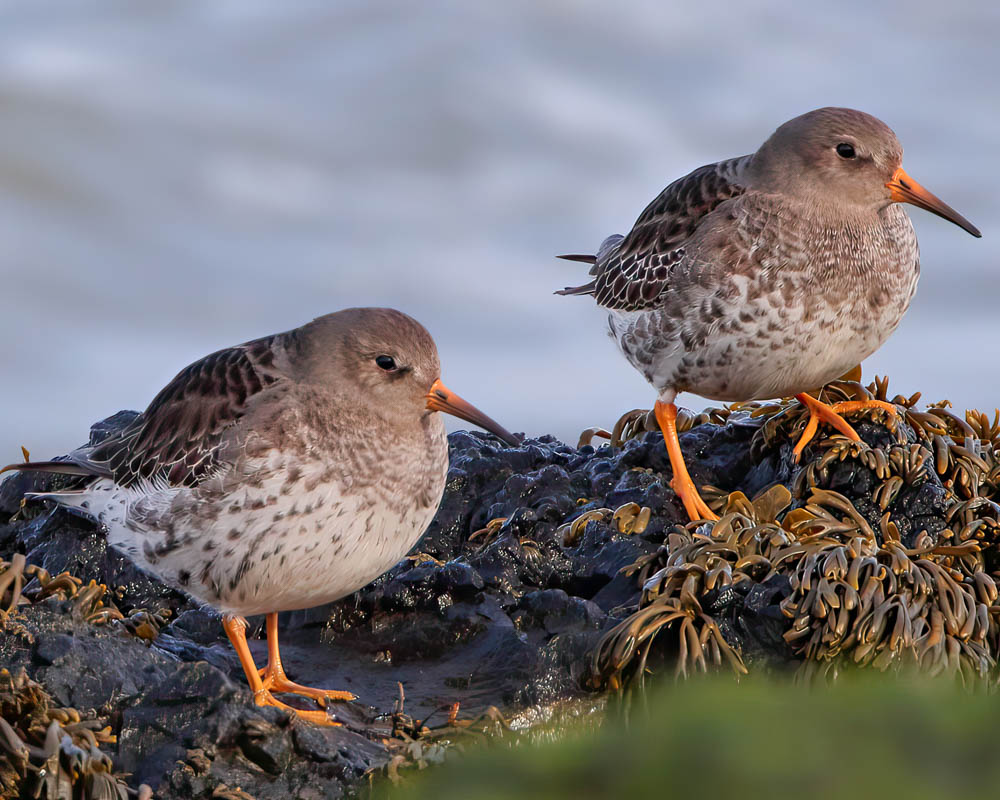
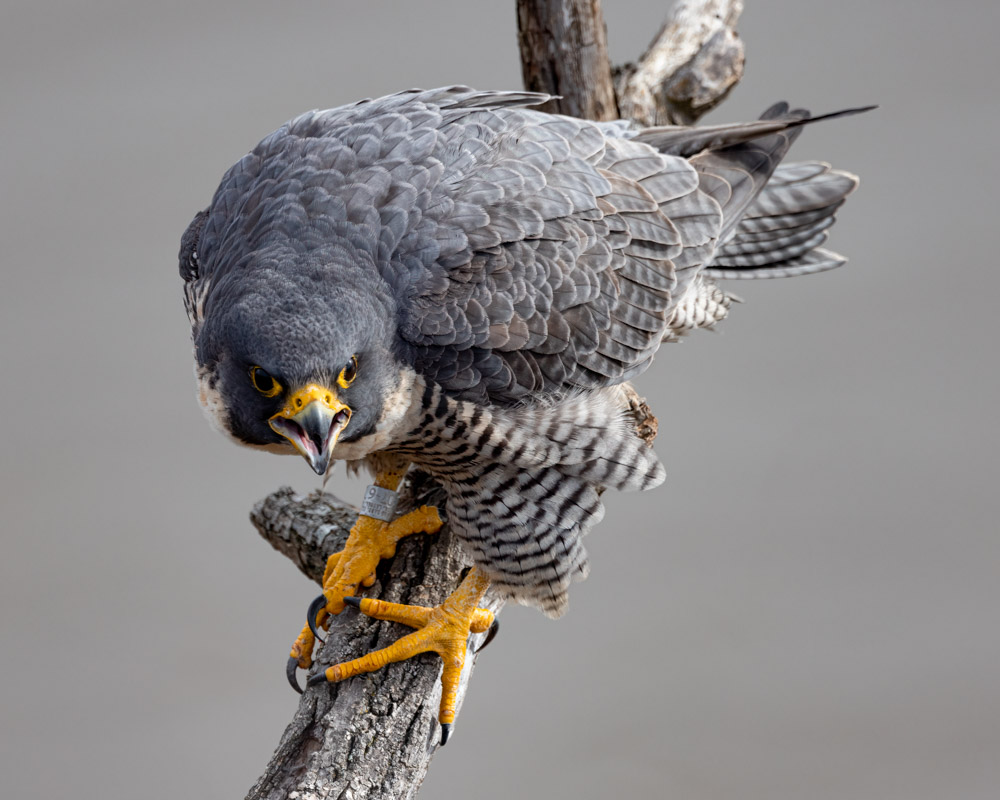
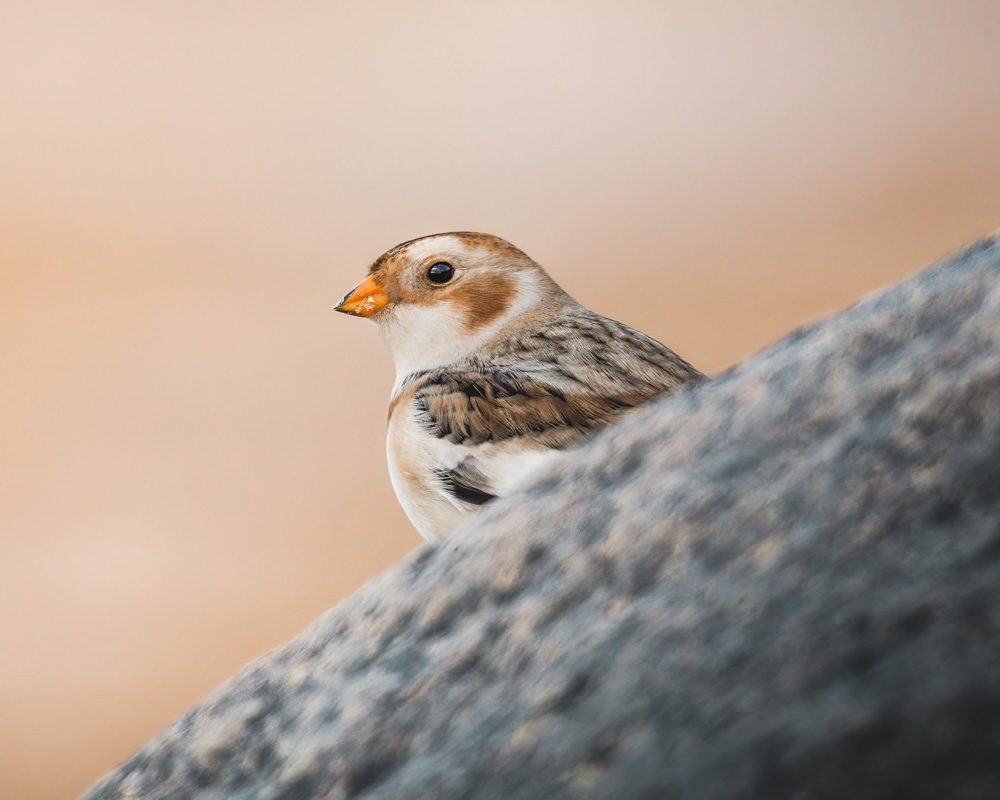
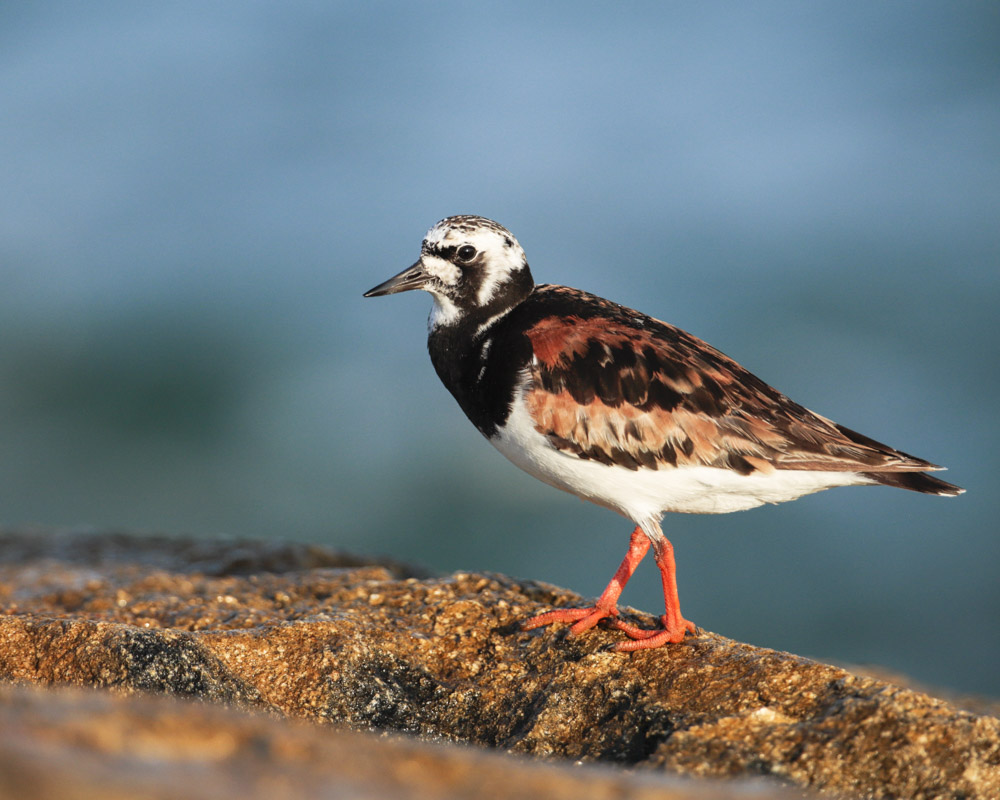
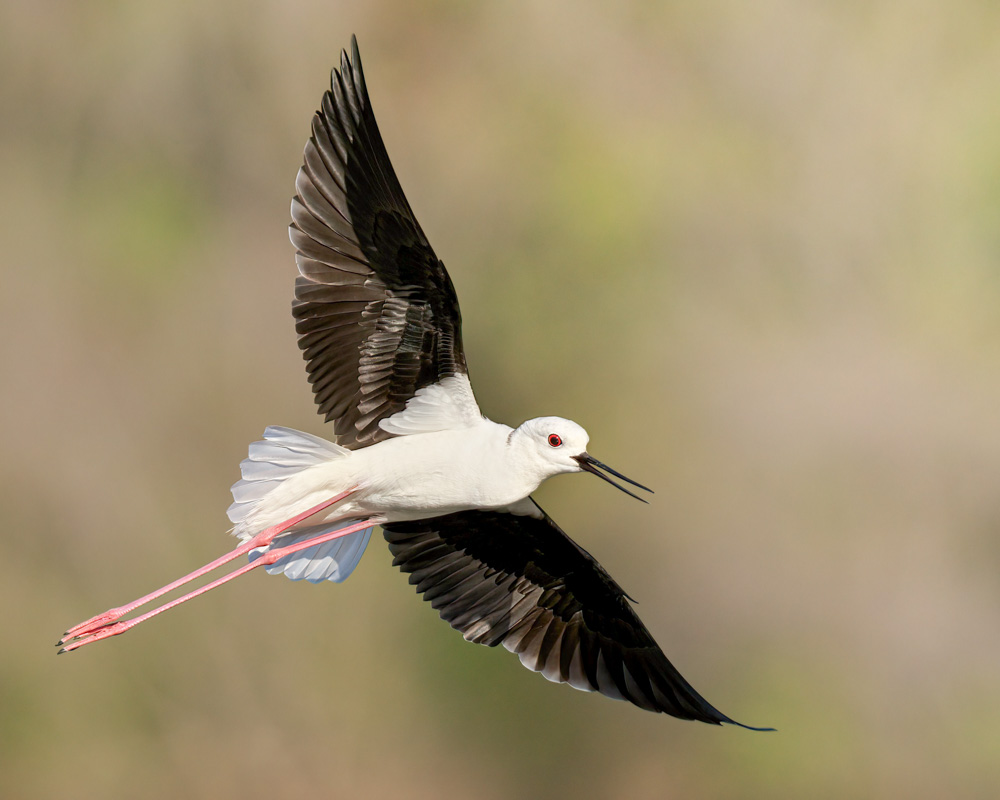
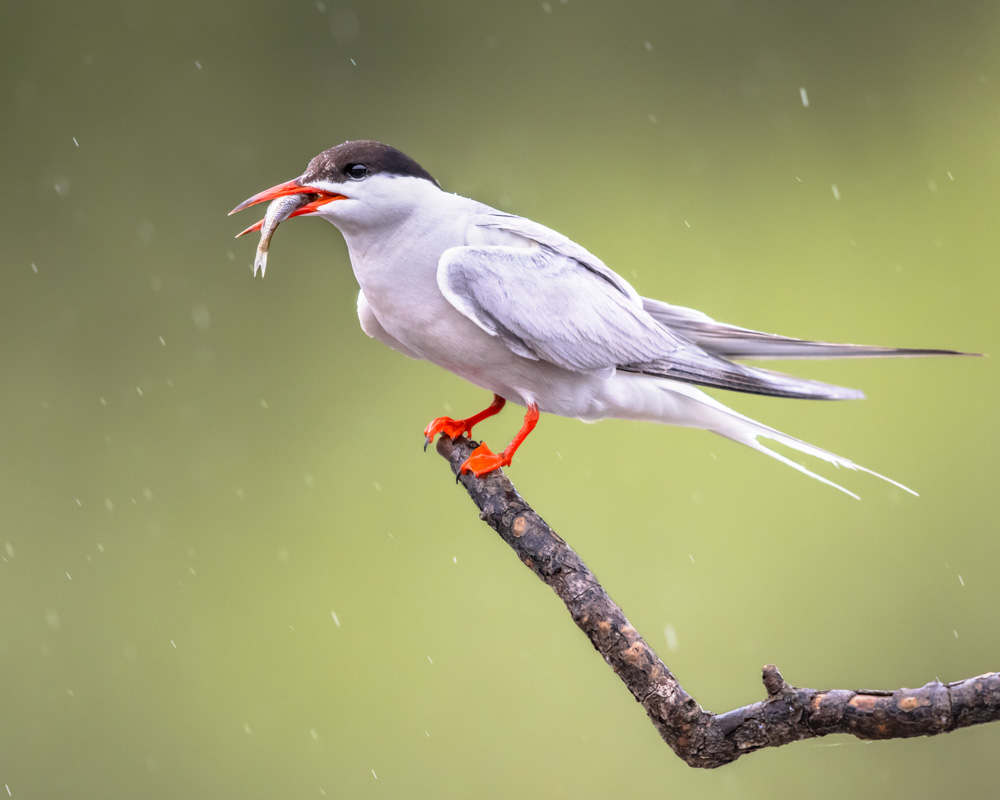
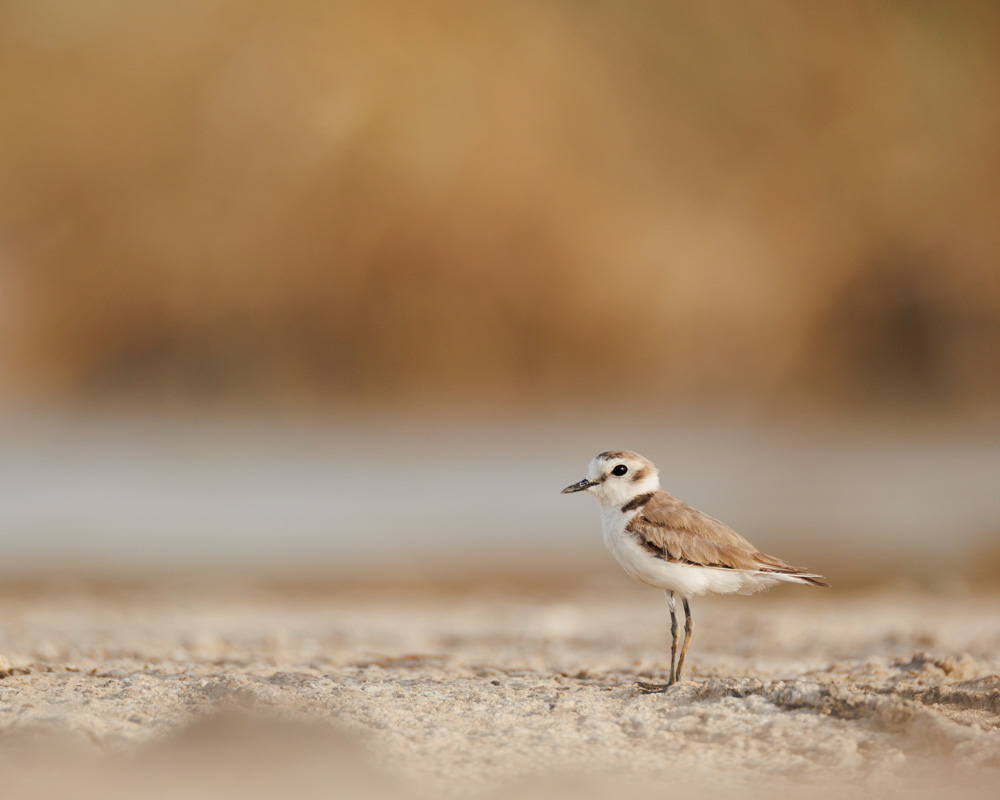
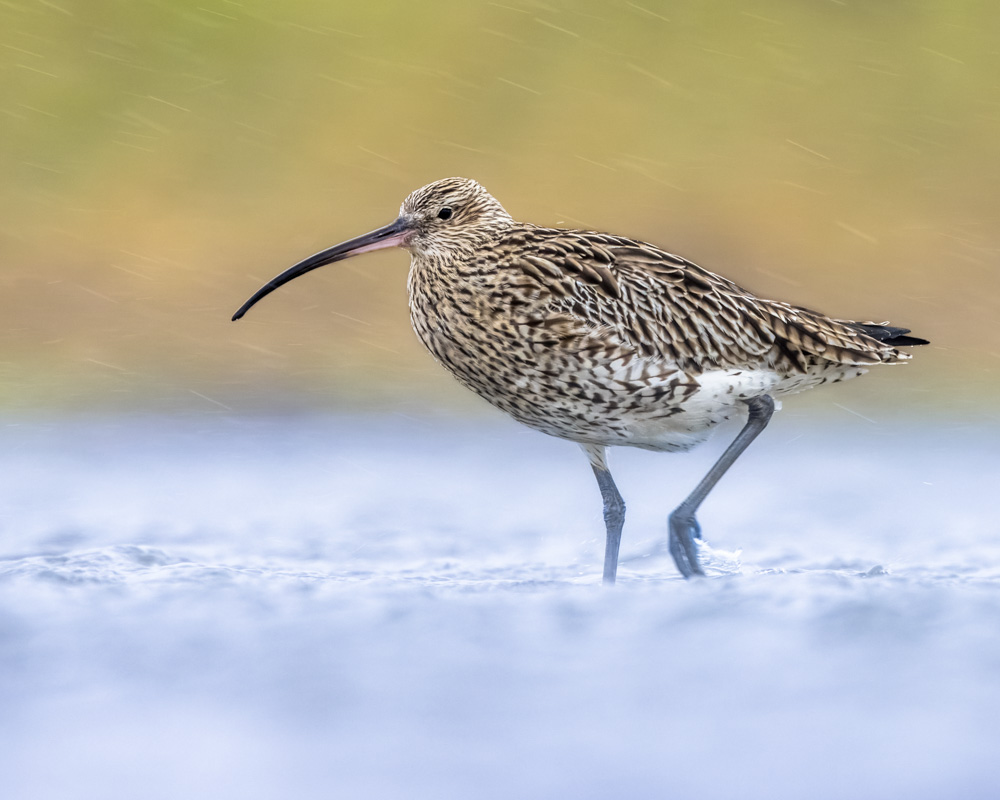
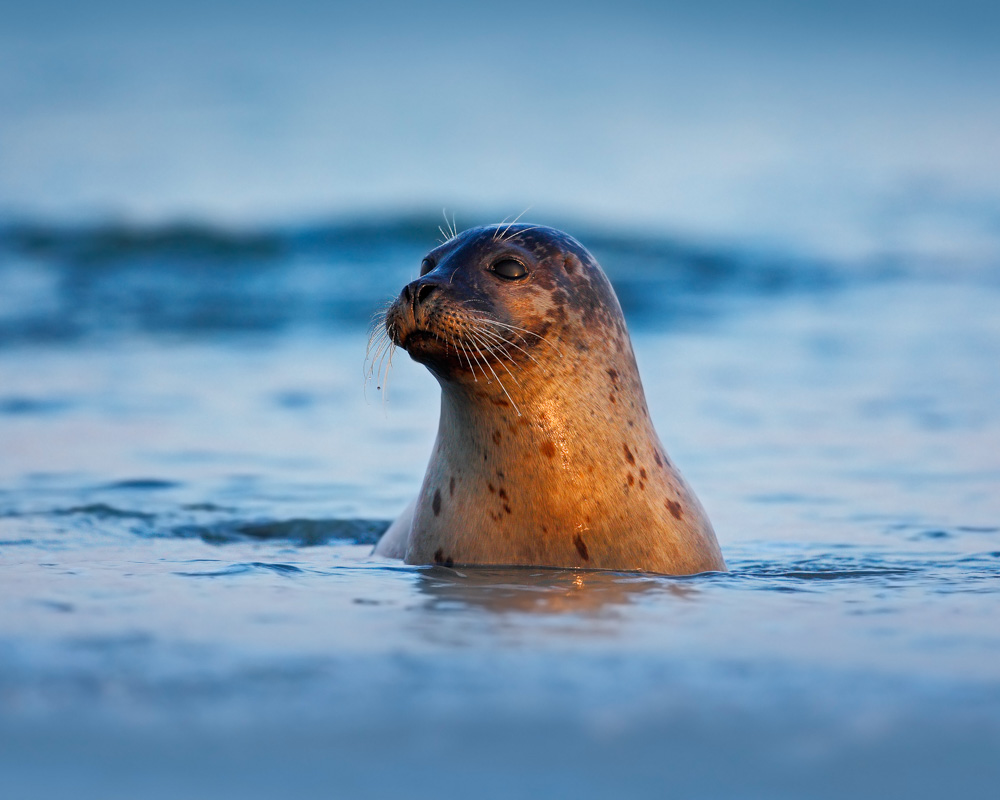
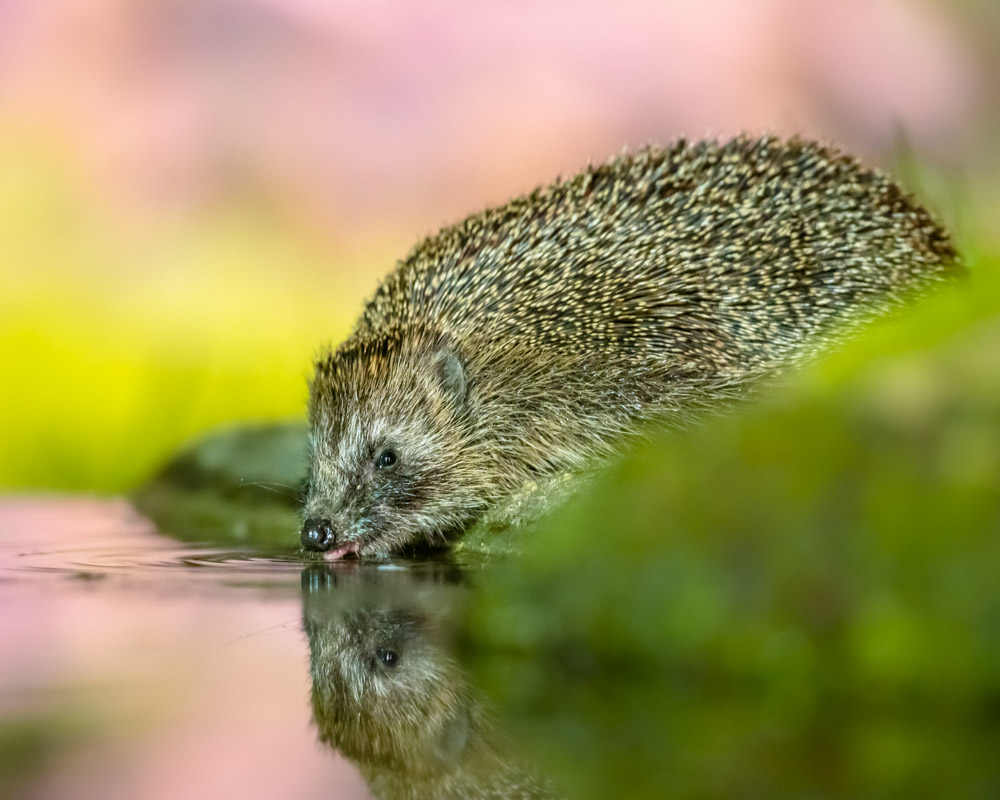
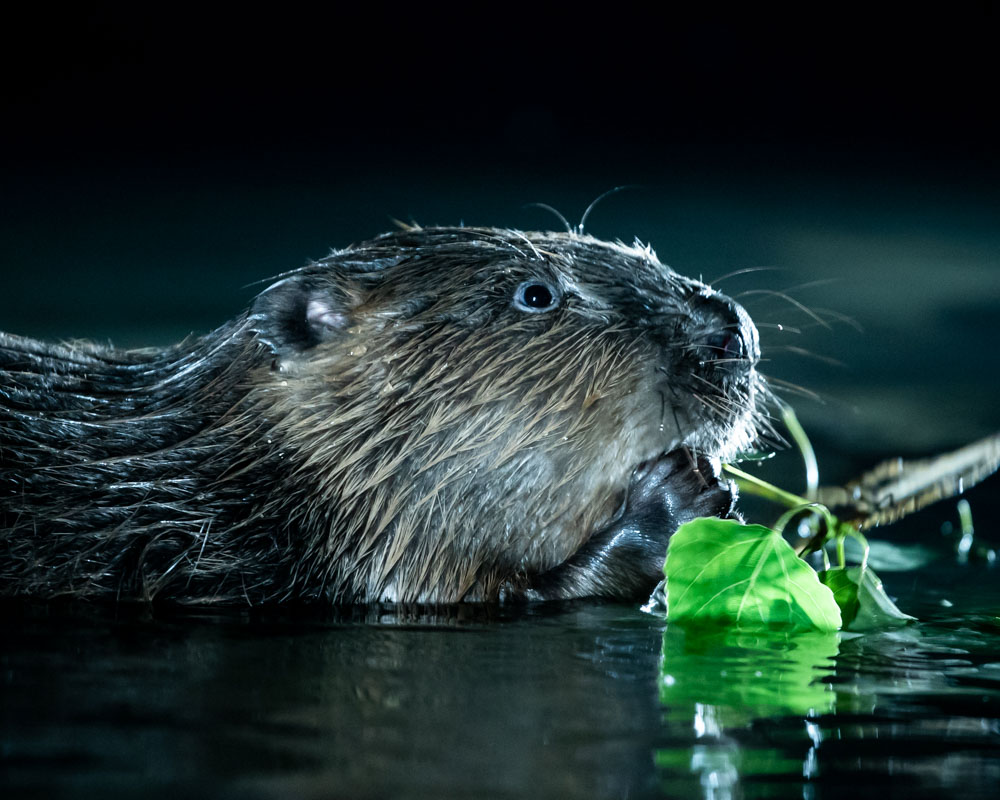
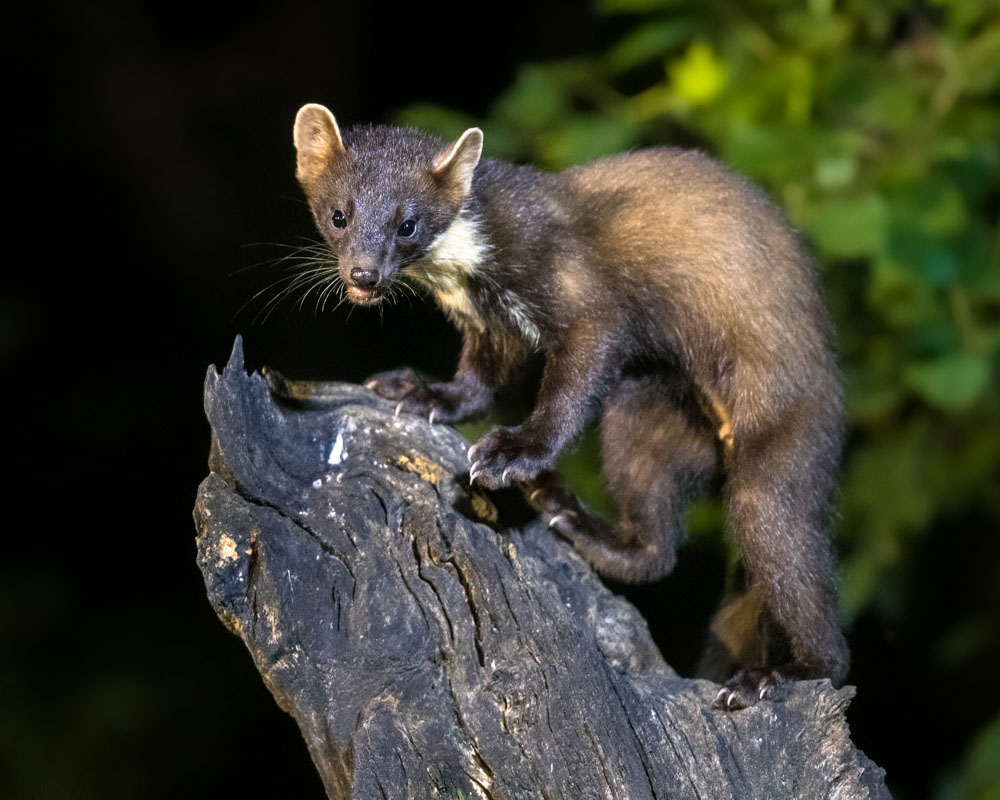
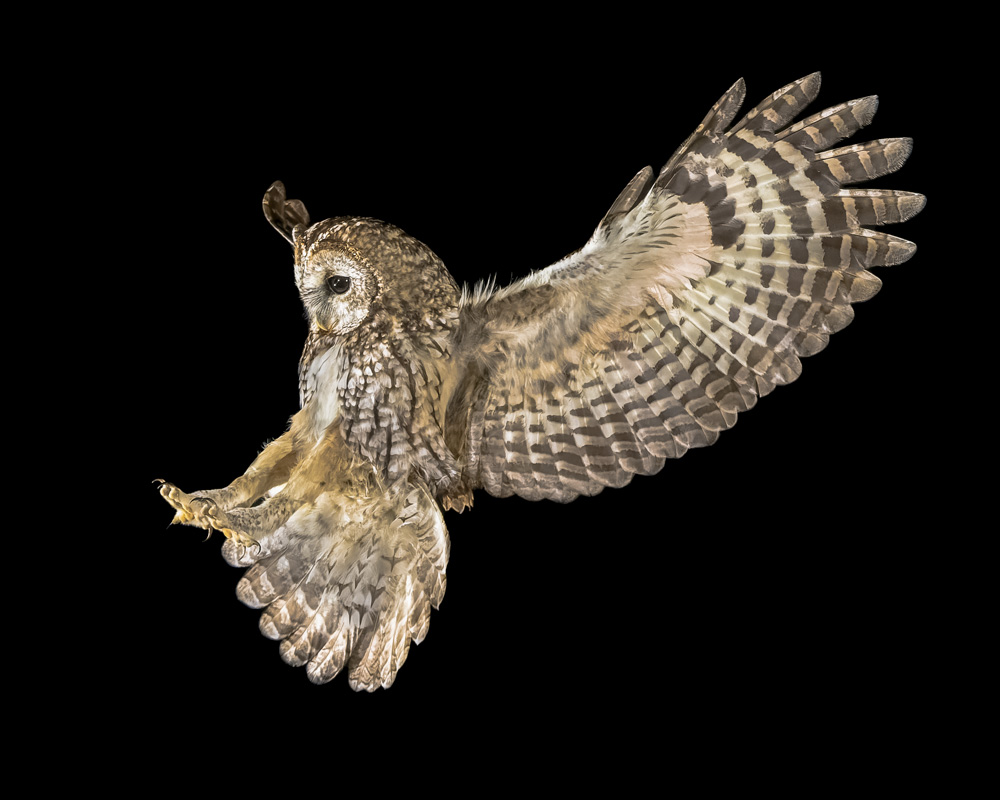
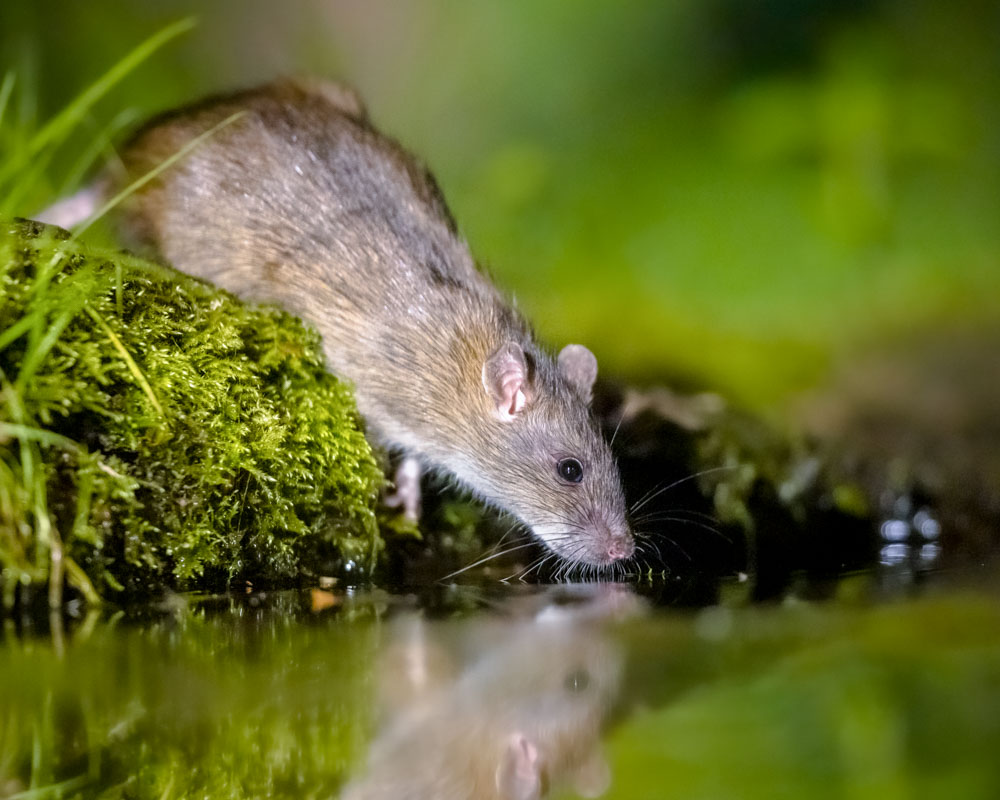
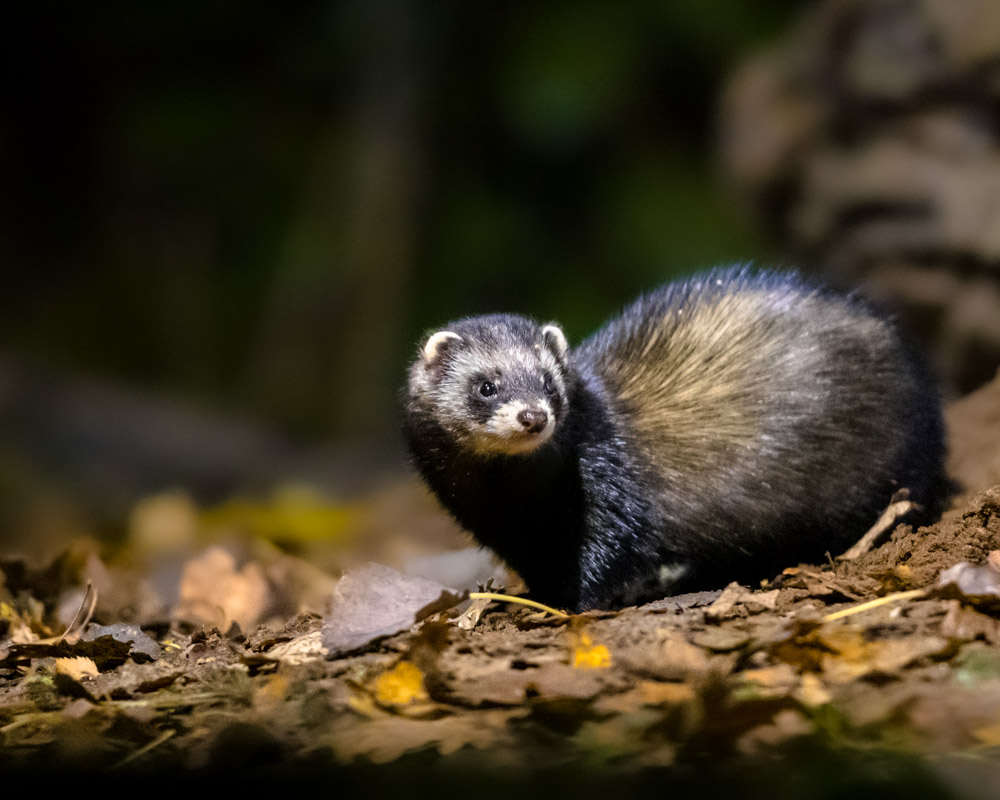
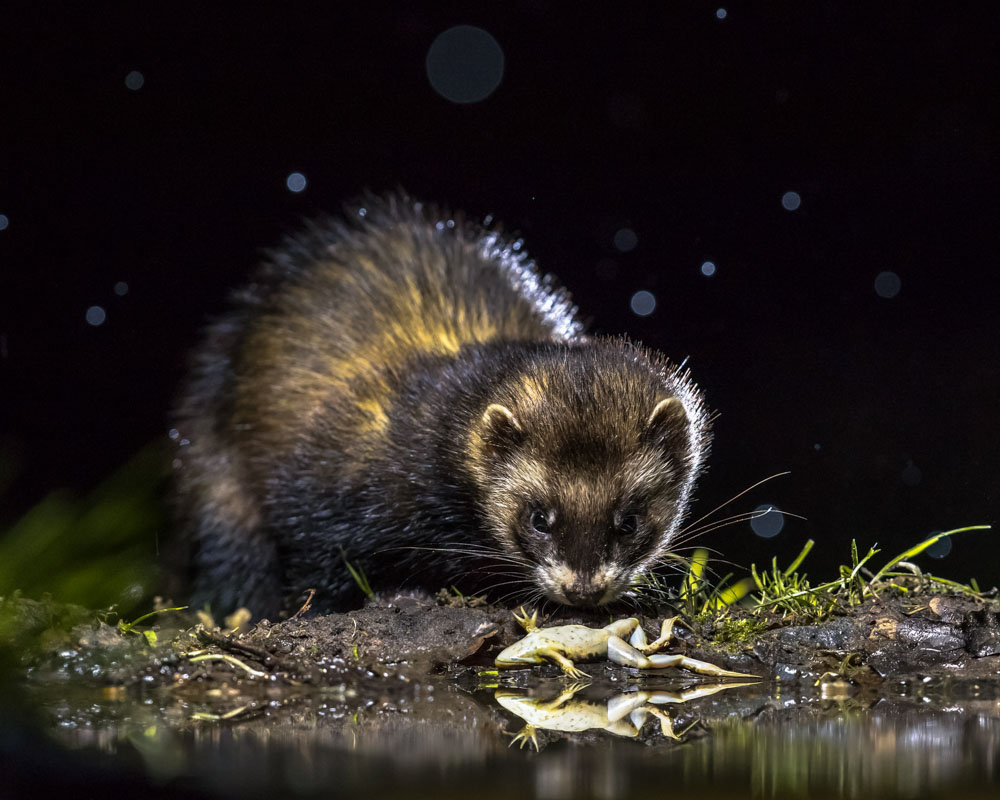
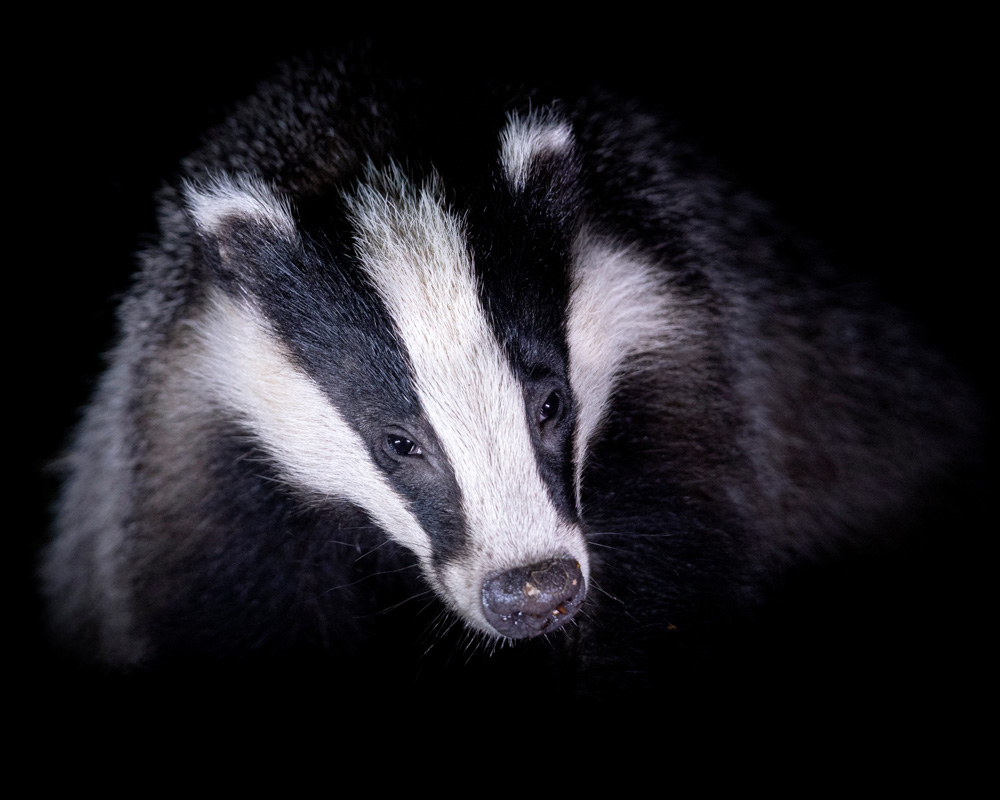
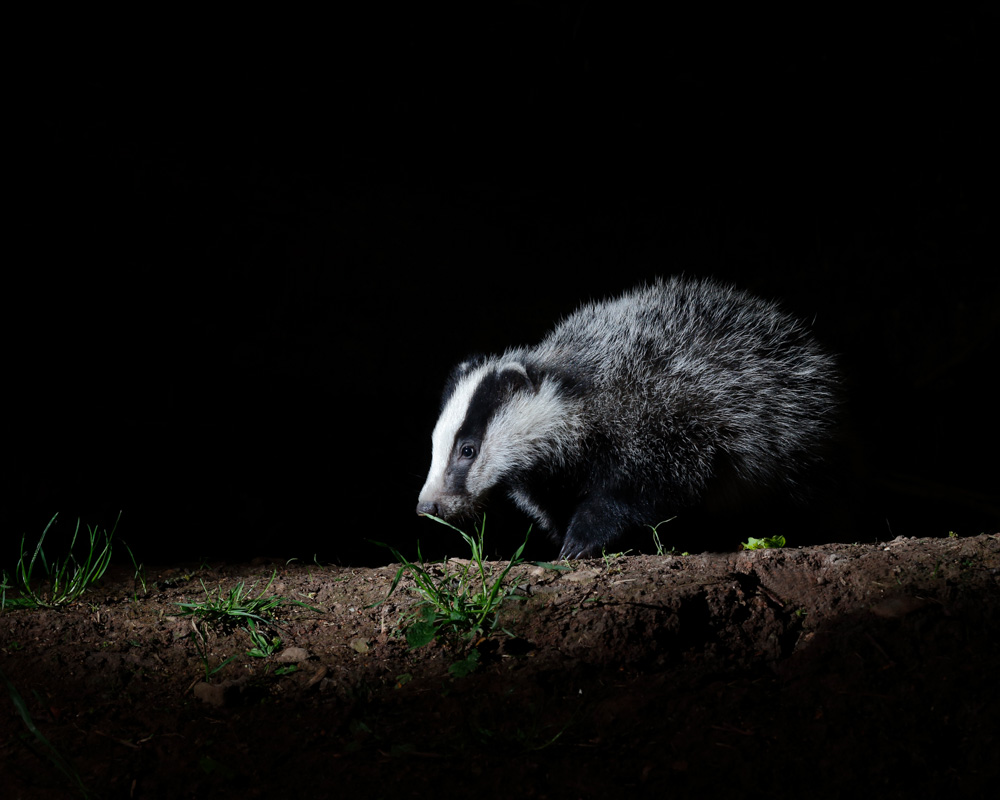
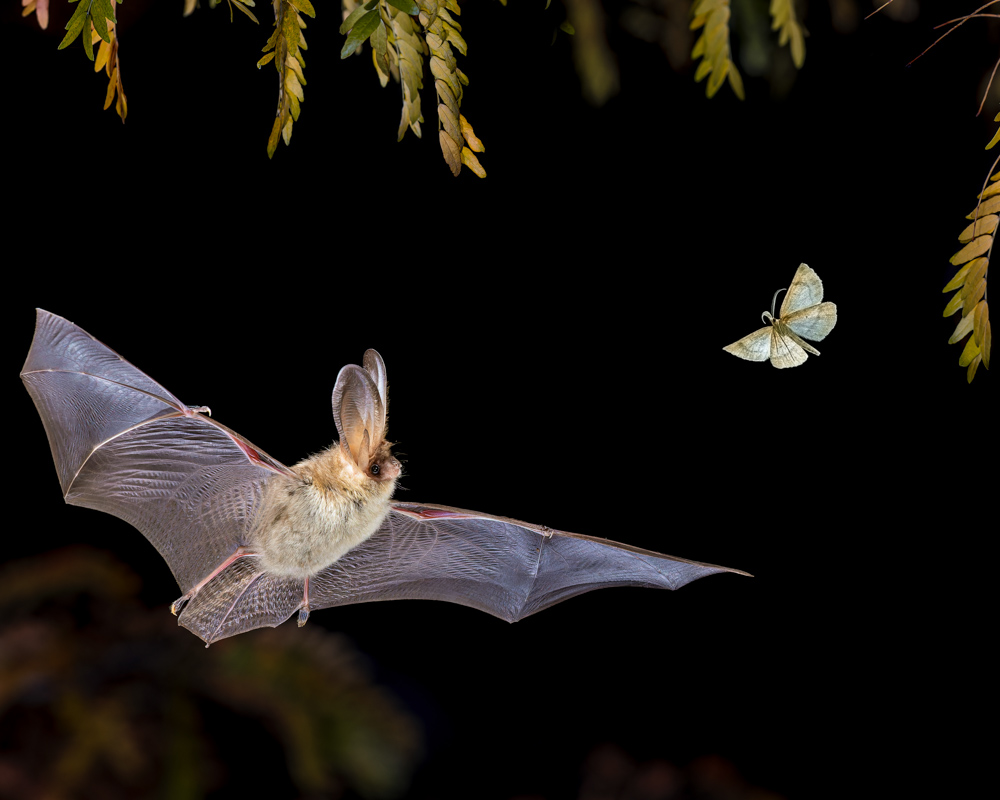
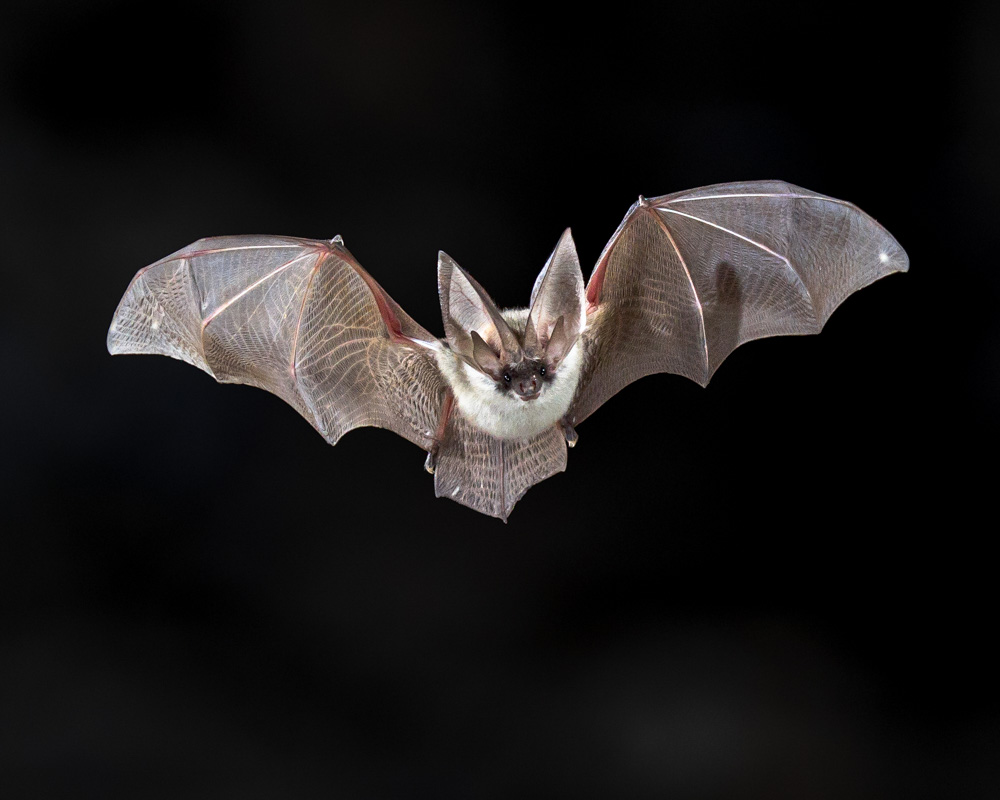
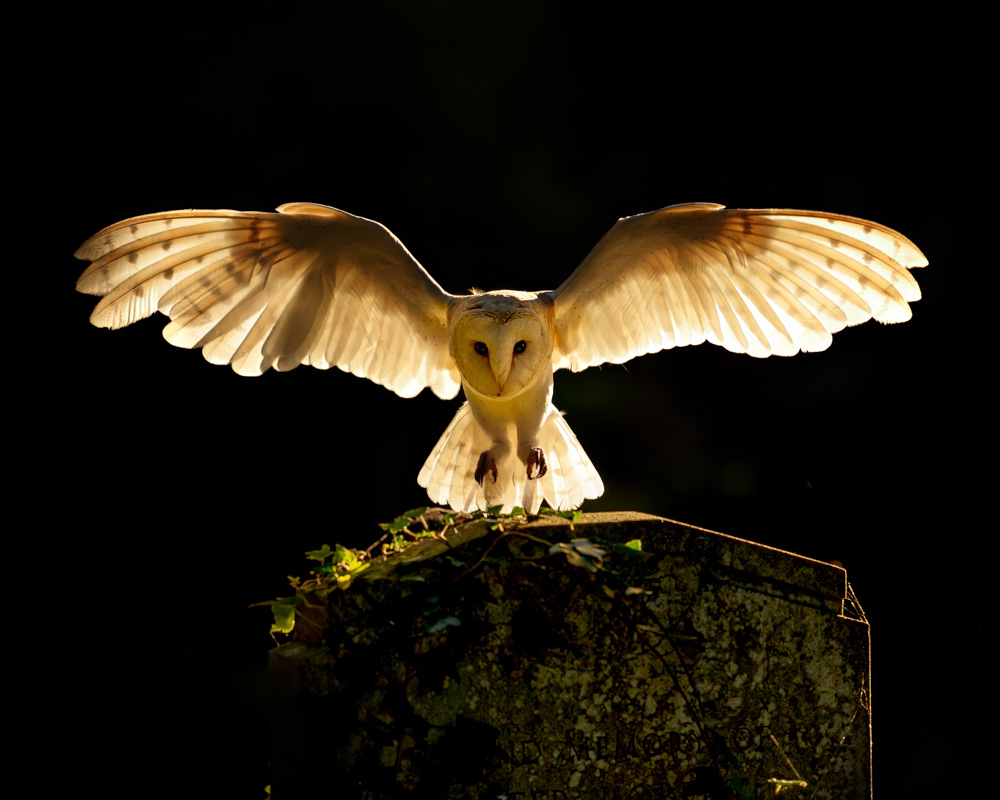
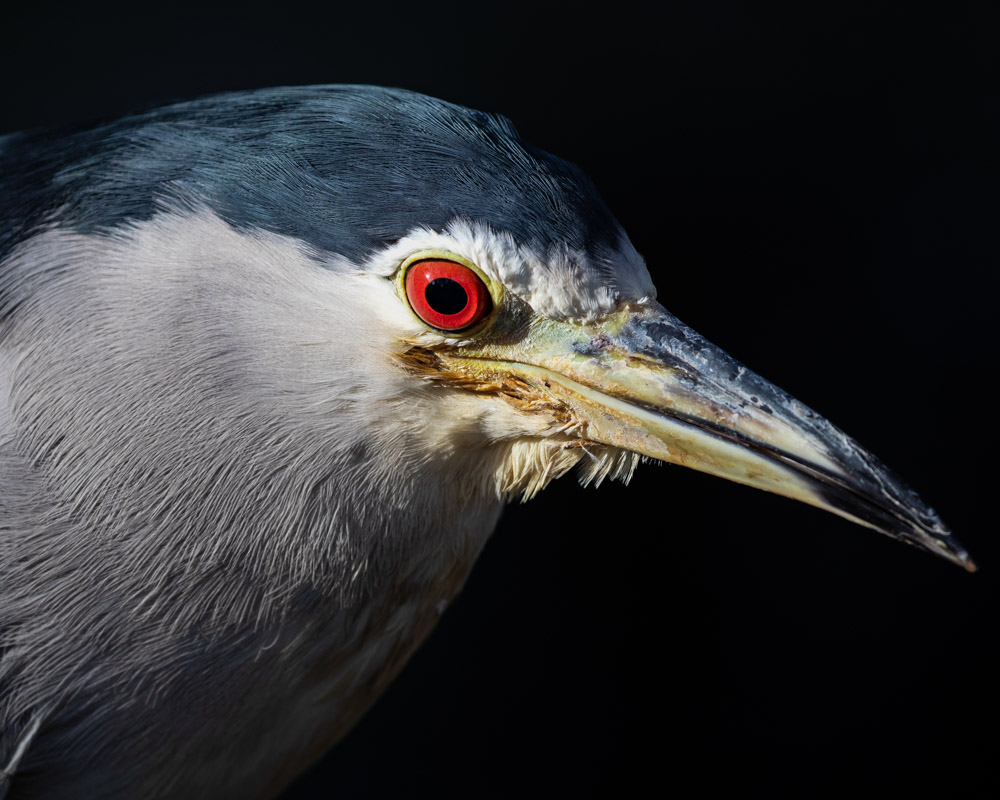
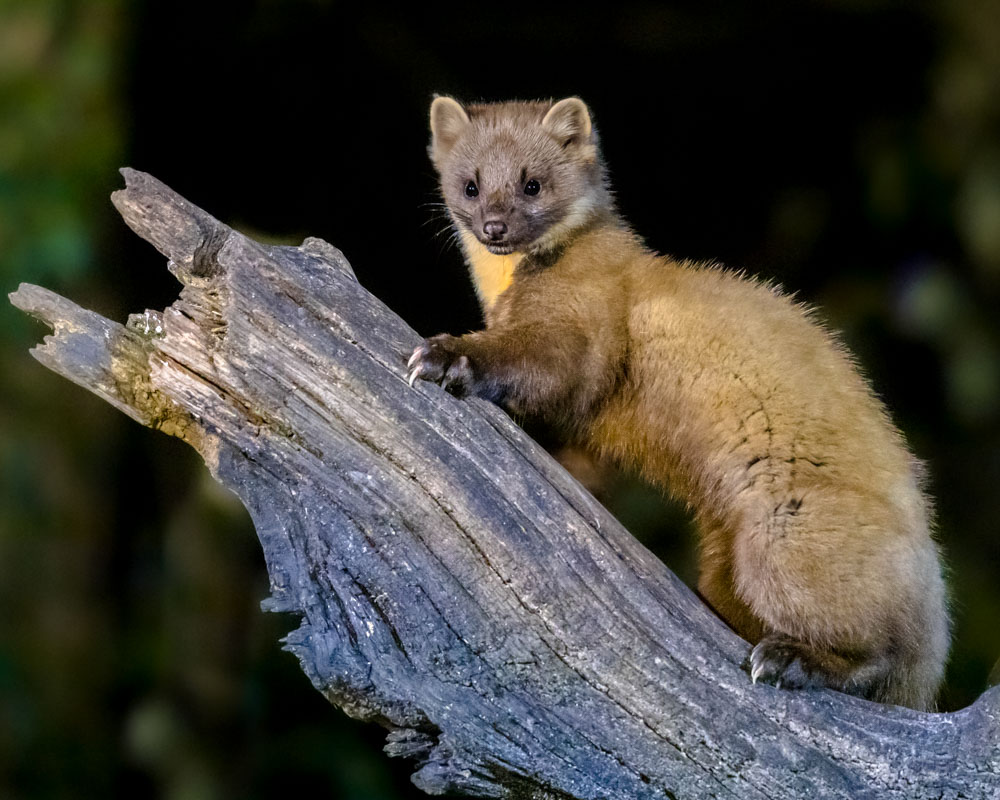
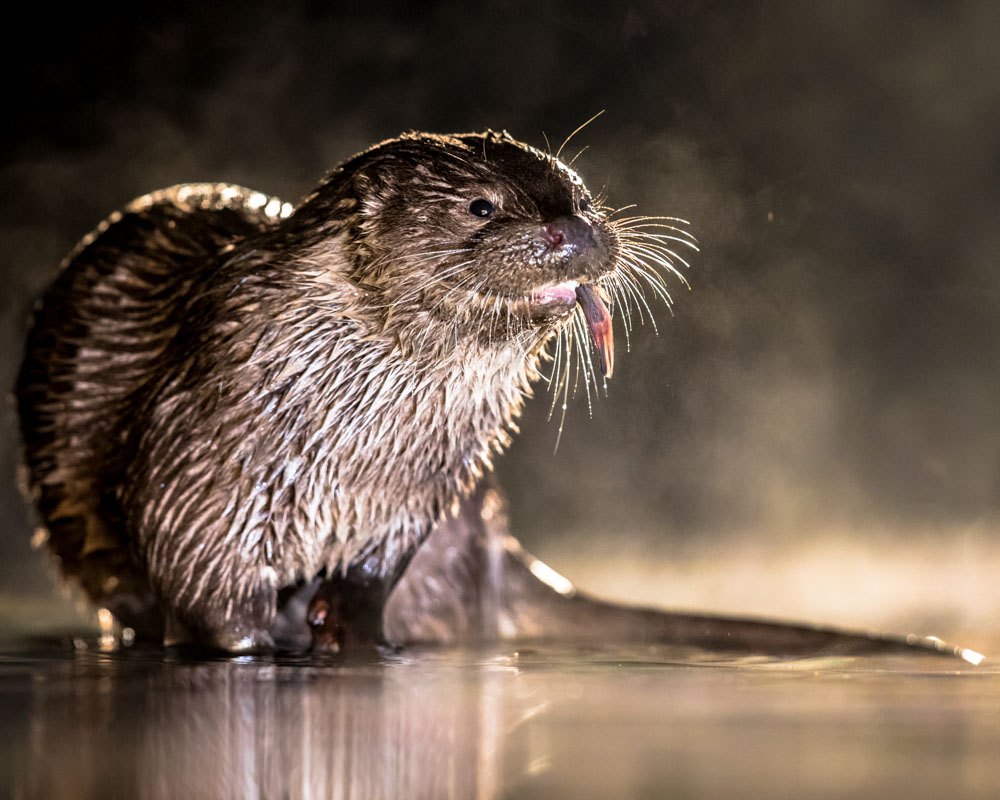
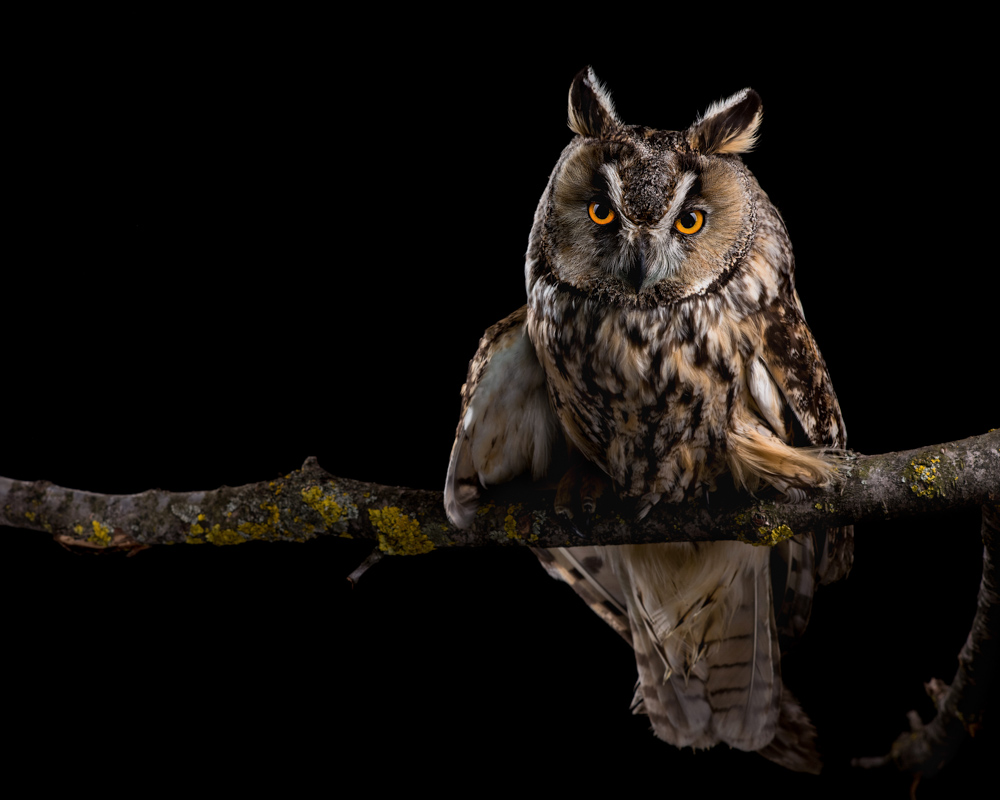
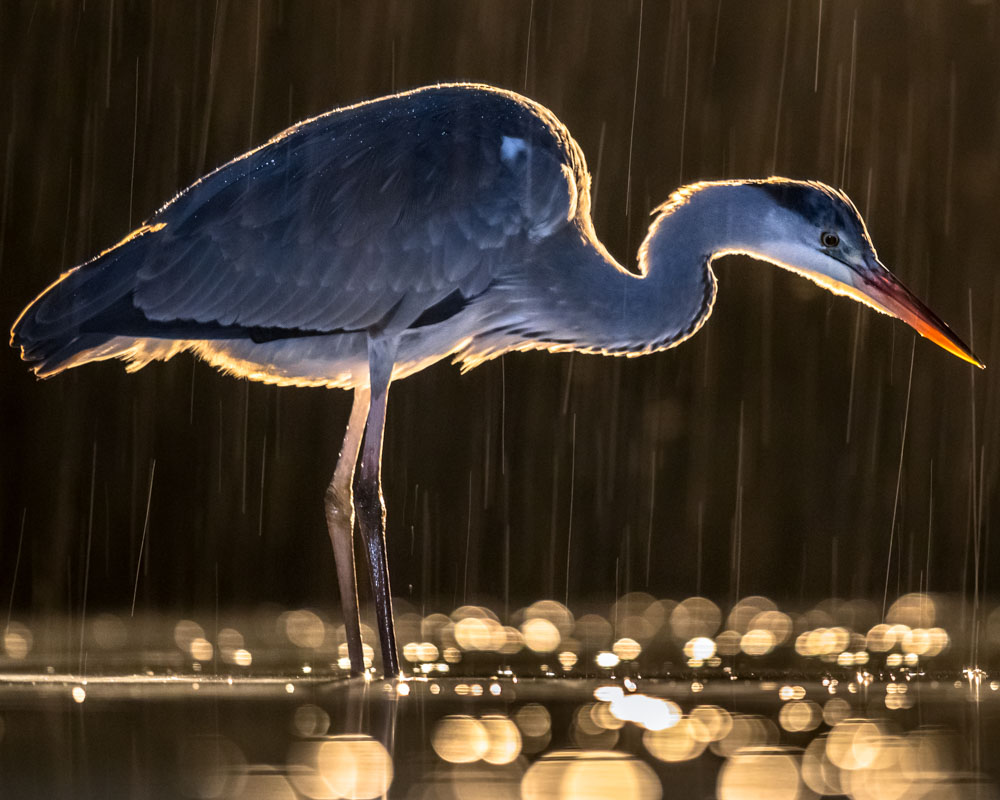
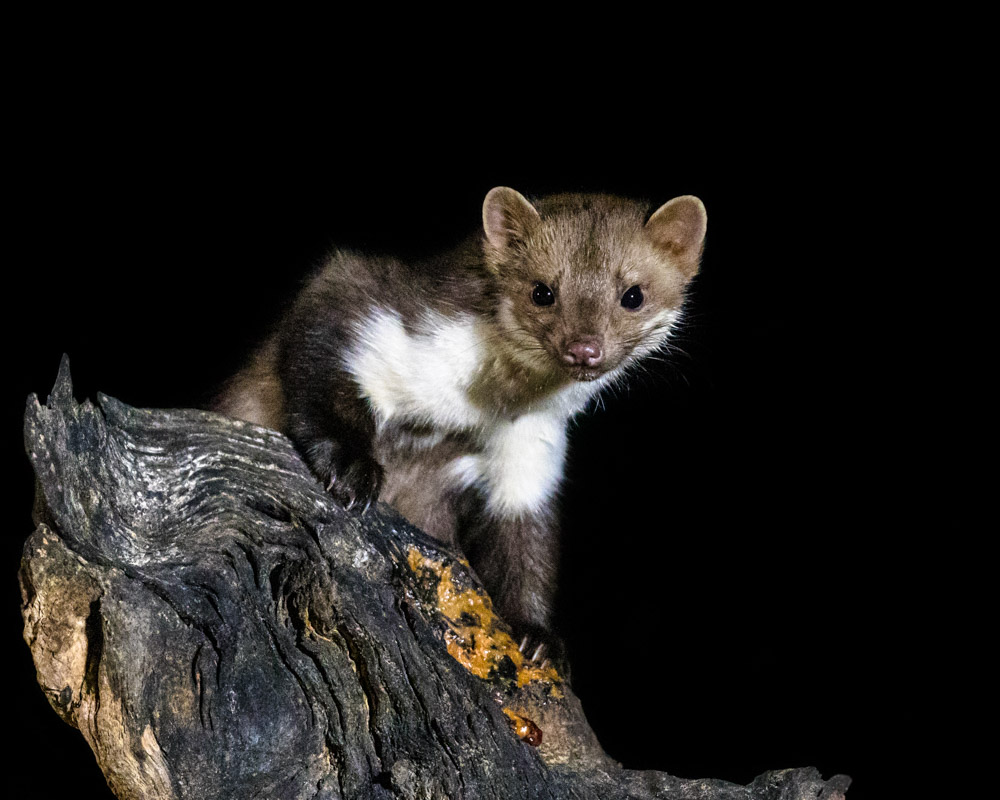
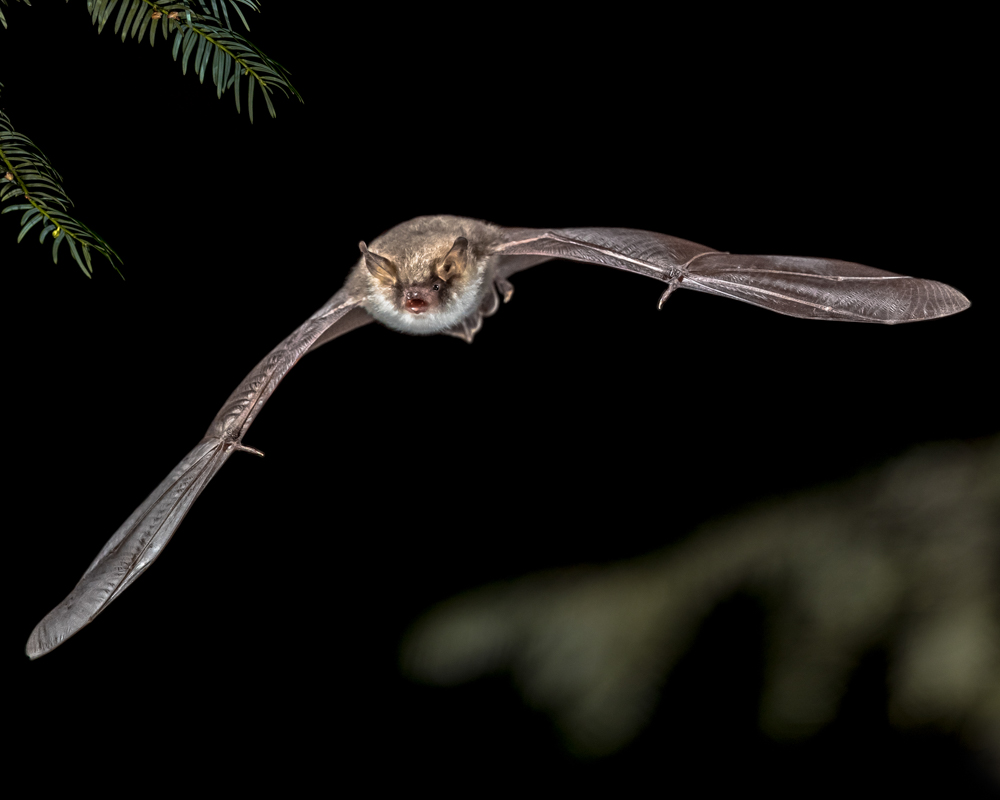
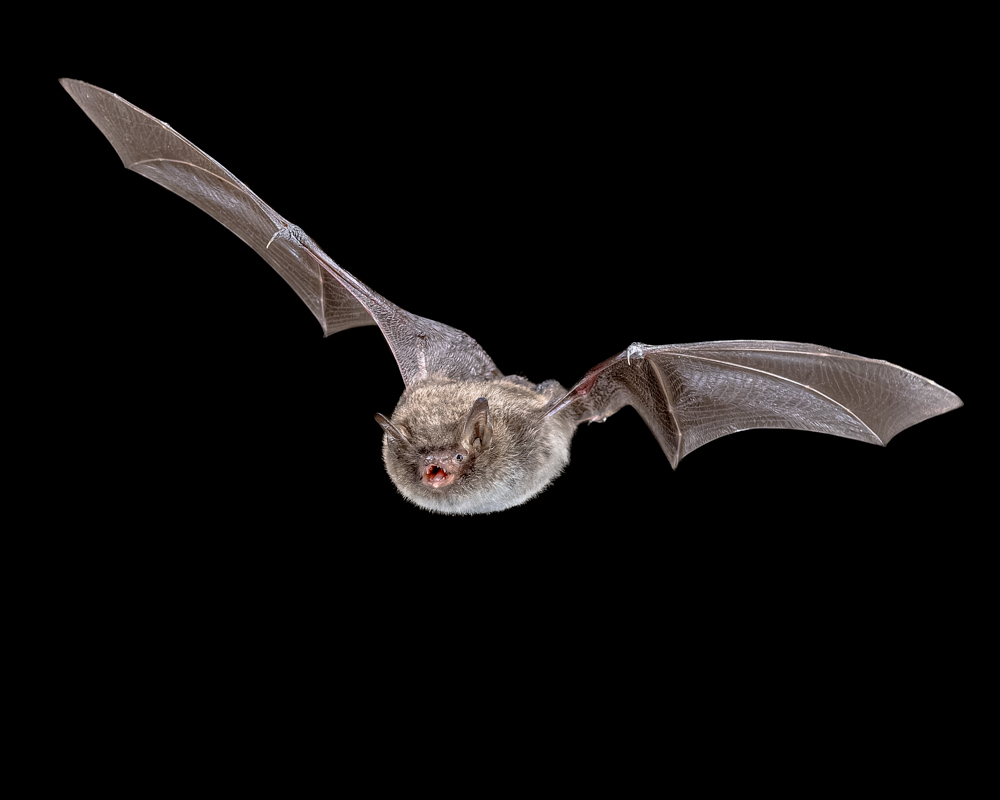
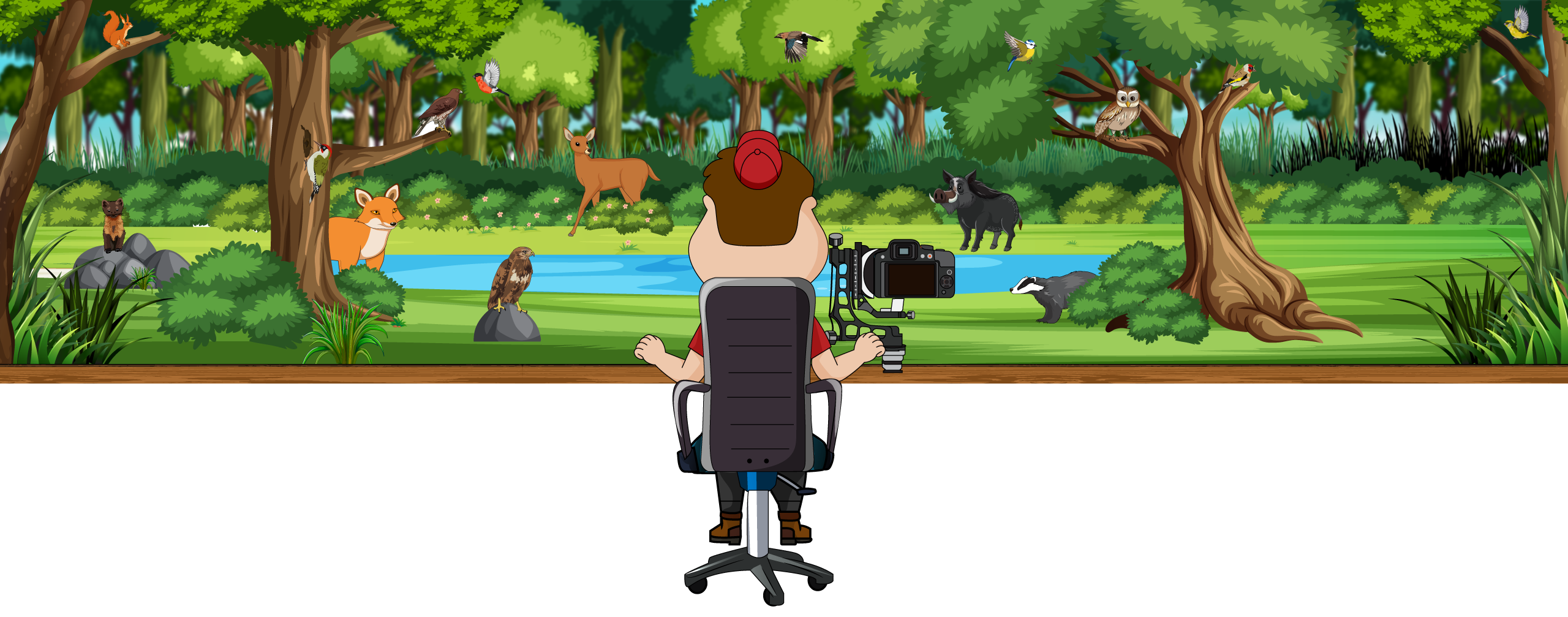
"Hide photography is the use of a purpose-made construction, a hide, to hide from a photographic subject, usually an animal, to get closer than would normally be possible when the photographer is in full view. Many animals, especially wild birds and mammals, are wary of humans, and flee from their presence while still at a distance that would not normally allow a quality photograph to be obtained" - Wikipedia

Choosing a Hide

  • Use the filter system to find a hide based on target species and personal preferences.
  • Choose a private hide for exclusive use or a shared hide for a more social experience with other photographers.
  • Check which species are regularly spotted at the hide.

Respect

  • Take all your waste with you and avoid disturbing nature.
  • Do not use attractants without permission.
  • Avoid sudden movements and noise, especially when animals just appear, wait before adjusting your camera.
  • If you need to leave the hide, choose a quiet moment and walk away calmly.
  • Share your experiences respectfully and avoid publicly disclosing exact hide locations.
  • In shared hides, be mindful of others, stay quiet and respect each other's space.

Preparation

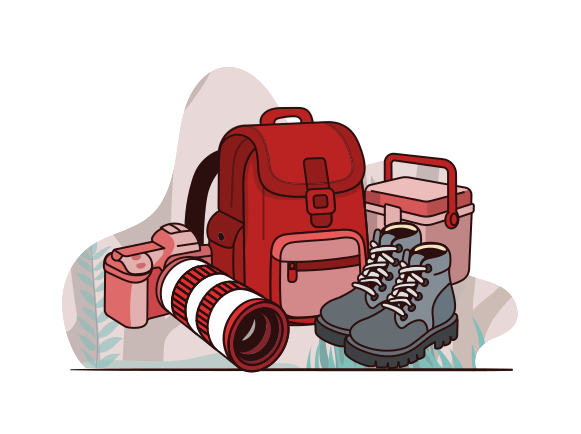
  • Check if the hide provides camera mounts or if you need to bring your own.
  • Review all available amenities and descriptions to be well-prepared.
  • Dress for the season and consider that you'll be sitting still in the shade, better to wear extra layers than too few.
  • Bring enough food and water, assuming a long session.

Expectations
  • Bring patience, nature follows its own rhythm, but patience is always rewarded.
  • Wildlife is unpredictable, and sightings are never guaranteed.
  • The first and last hours of daylight provide the best atmosphere and highest activity.
  • Practice your camera settings, make the most of the setting, and find the best backgrounds—hide photography has a learning curve.
  • Log your sightings in the available journal and include them in your review afterward.

The Experience!

Forest

Farmland

Field

Marsh

Water

Coast

Night

Do's Dont's
Stay quiet and patient Make sudden movements or noise
The most remarkable species are often the most skittish, patience pays off. Animals scare easily; wait until they are at ease before moving your camera.
Respect nature Leave waste behind
You are a guest in the hide and in nature. Use common sense and show respect. This harms the ecosystem and can endanger wildlife.
Use the hide as intended Tamper with or damage hide components
Read the instructions beforehand and make proper use of the available facilities. If something is unclear, ask for guidance. Intentional damage will not be tolerated.
Use a tripod, bean bag, or provided support Use the camera handheld
Check available equipment beforehand. Ensures stable, sharp images. Increases the risk of blurry shots, and accidentally bumping your camera may disturb wildlife.
Wear appropriate clothing Wear bright or noisy clothing
Dress for the season and consider long periods of sitting, an extra layer often comes in handy. Velcro, rustling fabrics, or loud shoes can startle wildlife.
Attract wildlife responsibly Feed animals without ensuring the food is suitable
Use only attractants approved or provided by the hide owner. This can disrupt their natural behavior and may be harmful to their health.
Leave the hide at the right moment Carelessly entering and exiting the hide
Wait until it's quiet, check for nearby animals and exit as silently as possible. This disturbs wildlife and can break their trust in the hide.
Securely close the hide after use Leaving shutters or doors open, not sealing feeding trays
Return everything to its original place, properly close shutters and doors and follow the instructions. This can attract pests, cause damage and disturb wildlife.
Share experiences respectfully Disclose exact locations
Leave a review and mention the species you observed. This can lead to disturbance, vandalism, and unwanted crowds. Hide locations are private property and only accessible with a booking.
You are a guest in their world. The more respect you show for nature, the greater your chances of capturing the perfect shot!

Frequently asked questions
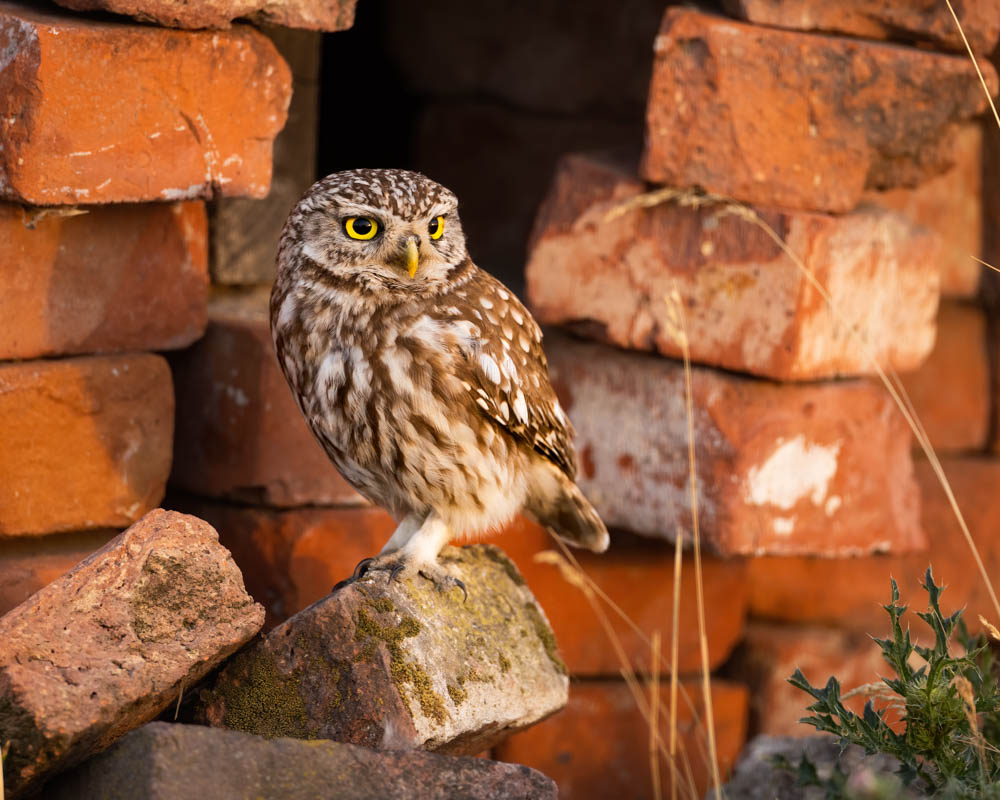
In hide photography, you patiently wait for the animals to come to you instead of actively seeking them out. This often results in more natural and intimate photos. Because you remain hidden, you have the chance to capture close-up action and authentic behavior, something you wouldn't see if the animal was aware of your presence. In the wild, you might sometimes get close to certain species with patience and luck, but this usually results in photos of alert animals watching you closely or eventually flying off. For truly relaxed and natural behavior, a hide is the best option.
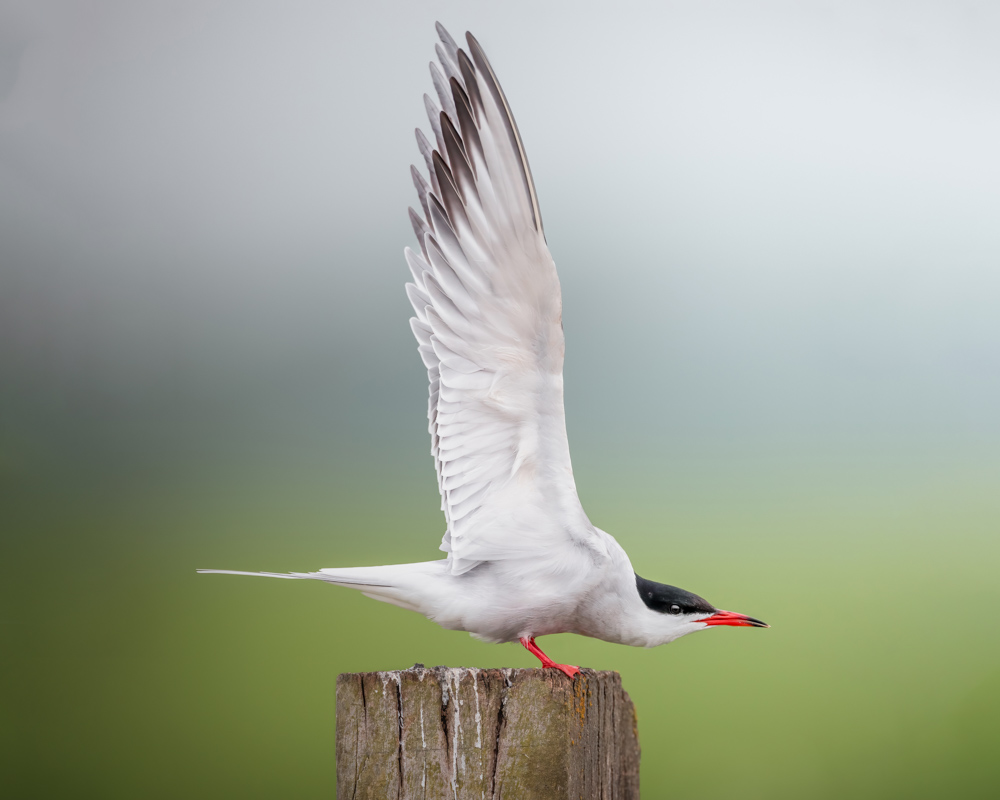
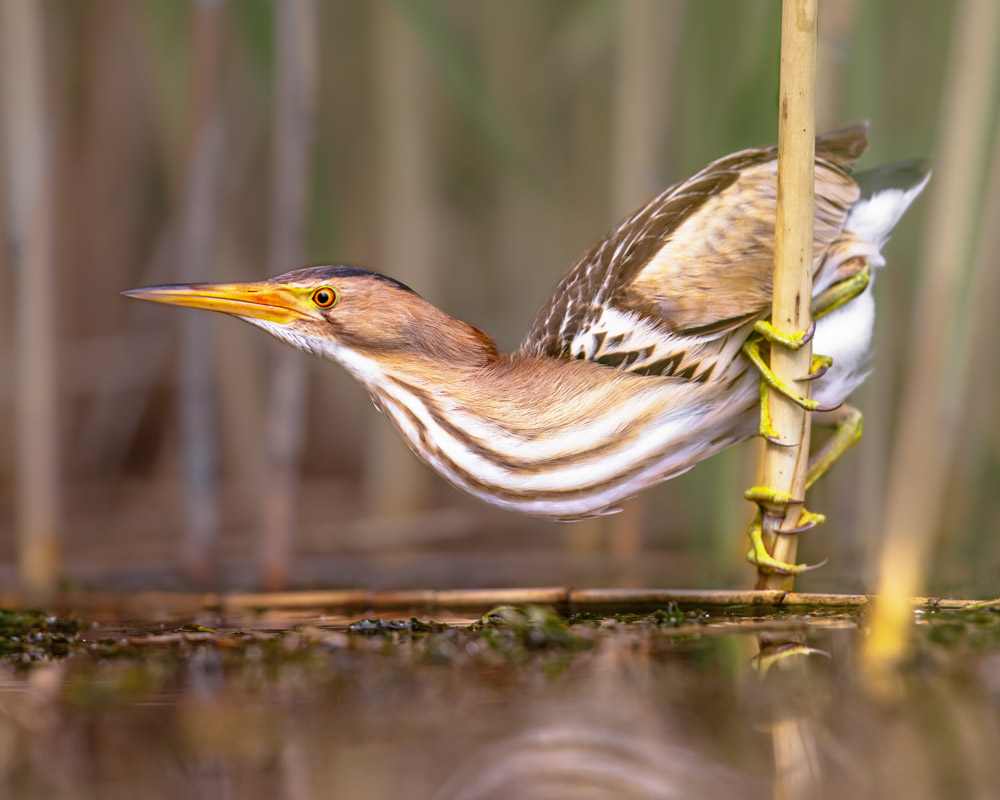
It completely depends on your preference. Some photographers are satisfied with just a few hours in the morning, while others stay the whole day to make the most of it. In most hides, your booking is valid from sunrise to sunset, which can mean a session of up to 16 hours in the summer. It's always wise to prepare for a long stay, bring enough food and water so you don't have to leave early when there is a lot of activity in front of the hide.

Yes, you can leave and return to the hide on the same day. In summer, some photographers choose to take a break in the afternoon when activity is lower due to the bright sunlight. Of course, you may also need to step out for a bathroom break. Always check your surroundings before leaving, if the target species are right in front of the hide, it's best to wait. Ideally, choose a quiet moment to minimize disturbance.

That depends on the species you want to photograph. Spring and summer are ideal for breeding birds and young animals, while birds of prey and mammals tend to be more active in autumn and winter. Each season has its own unique charm, with changing light, atmosphere, and vegetation. There are also seasonal visitors—some species only appear in the Netherlands during summer or winter.

Absolutely! Hide photography is perfect for both beginners and experienced photographers. It allows you time to adjust your camera settings and observe animal behavior without pressure. You also often have full control over your composition, as you can carefully plan the best background and positioning for your subject. This makes hide photography not only accessible but also an excellent way to improve your wildlife photography skills.

Rent out your hide?

Considering launching your own photography hide business or seeking to enhance the revenue of your current hide? Discover what our platform can do for you!